Sign in. It’s quick, free and it’s up to you.
An account is an optional way to support the work we do. Find out more.
Sign in. It’s quick, free and it’s up to you.
An account is an optional way to support the work we do. Find out more.
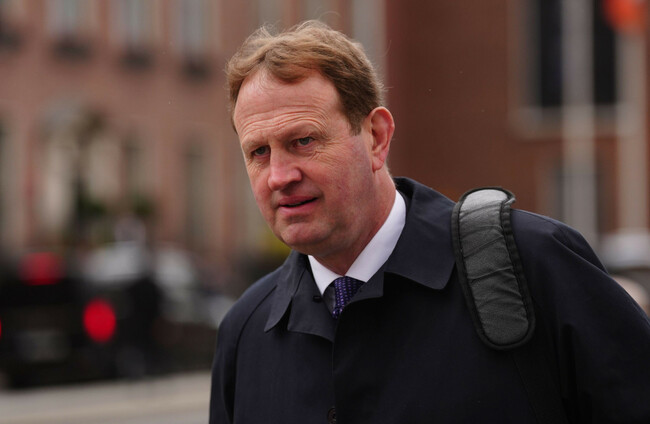
MIGRATION MINISTER JIM O’Callaghan is attending a meeting on migration and border security in Munich with a number of his EU counterparts today.
O’Callaghan was invited by the German Federal Minister of the Interior Alexander Dobrindt.
Other ministers of the interior from a number of EU and associate states, along with the EU commissioner for internal affairs and migration Magnus Brunner and the UK home secretary Shabana Mahmood, are also scheduled to attend.
The meeting will include discussions on the Common European Asylum System, which was majorly reformed with the adoption of the EU Migration and Asylum Pact in June.
The Irish government has not fully clarified whether it intends to opt into the controversial return hubs outside the EU that are enshrined in the pact. O’Callaghan has indicated that he believes Ireland should do so.
Today’s meeting will also look at improving the rate of returns of those who have no legal right to remain in the EU, and how to strengthen and protect the EU’s external borders.
Ahead of the meeting, O’Callaghan said while the EU Migration Pact is “working” with irregular arrivals across the EU dropping, the EU “cannot become complacent” and should look to improve the system.
The minister welcomed Dobrindt’s organisation of the meeting. He said this is a platform in which countries can focus collectively on what needs to be done to “continue managing migration”, including by making more funding available for asylum, migration and border controls.
Conversations held today will be helpful in setting the scene for next week’s Justice and Home Affairs Council, which O’Callaghan is to chair, he added.
He said he intends to bring forward two new proposals at next week’s council meeting.
“One on how we can improve the rates of return and readmissions, and the other on how we can better anticipate sudden migratory movements and identify potential risks at an early stage to enable timely and informed action,” he said.
The EU has upped its attention to these “sudden migratory movements” after over 70,000 Moroccan migrants entered the Spanish enclave of Ceuta at the end of July, sparking crisis action.
O’Callaghan chaired a meeting of EU ministers following this focused on Europe’s response to the crisis in Ceuta.

To embed this post, copy the code below on your site













have your say