Sign in. It’s quick, free and it’s up to you.
An account is an optional way to support the work we do. Find out more.
Sign in. It’s quick, free and it’s up to you.
An account is an optional way to support the work we do. Find out more.
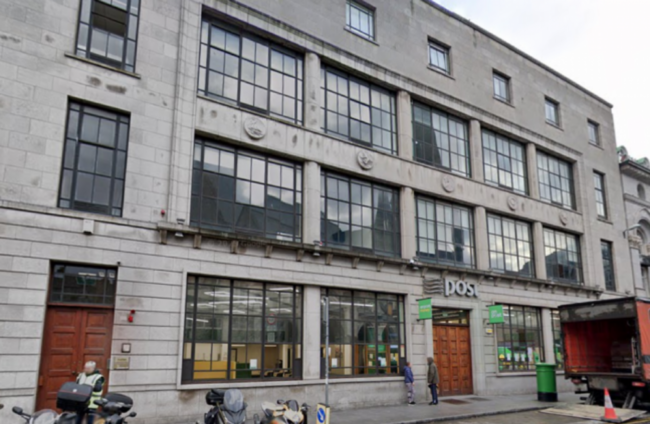
A NEW 111-BEDROOM hotel in Dublin city centre has been given the greenlight to be constructed, despite initially being refused.
Appalachian Property Holdings Ltd plans to change the use of three floors at an office block on St Andrew’s St, Dublin 2 to hotel usage and construct six new storeys.
An Bord Pleanála moved to approve the plans, despite it’s own inspector recommending that permission be rejected. Dublin City Council issued a refusal order against the new hotel, which was recently overturned by an appeals board.
Under the plans, operations of an An Post branch, on the ground floor, will continue. The site is located less than 500 metres from College Green and Grafton St in the city centre.
Officials from the local authority denied the plans last year, citing the ongoing housing crisis, national development policy and the clear direction of the current development plans for the area for its reasoning.
Dublin City Council also cited existing development schemes, promoting mixed-use projects with a focus on the construction of residential units. It said the changes to the building did not represent the best use of the upper floors at the, partially, vacant site.
An appeals board disagreed, concluding that the plans go-ahead for the hotel, the bar and the restaurant, along with the retention of the retail space at ground floor level. It said, under those plans, it would support the vitality and vibrancy of the mixed use setting.
Appalachian Property Holdings contested in the appeal that the site is located in the centre of a commercial and tourism hub of the city, arguing that it is highly suitable for a hotel.
The inspector in the case, Patricia M Young recommended refusal after concluding that the proposed works would due to their extent, nature, level of intervention, would have a detrimental and irreversible impact on the essential qualities of the period building,
Young concluded that the works would materially affecting its special character and its appreciation as part of the rich collection of period buildings that front onto the northern side of St Andrew’s Street.
An Bord Pleánala, in determining its decision to not accept its own inspector’s recommendation, said it did not consider that the proposed works to the building, which is a protected structure, would have a detrimental and irreversible impact on the essential qualities of the building.
To embed this post, copy the code below on your site












have your say