Sign in. It’s quick, free and it’s up to you.
An account is an optional way to support the work we do. Find out more.
Sign in. It’s quick, free and it’s up to you.
An account is an optional way to support the work we do. Find out more.
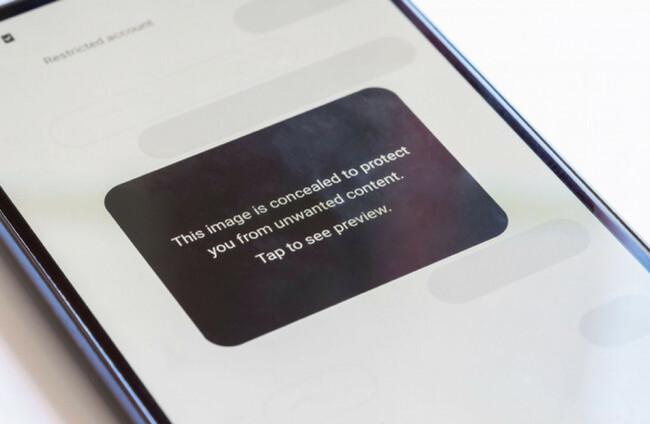
SOCIAL MEDIA COMPANIES must adhere to long-awaited online safety rules, published today, or face fines worth up to €20 million or 10% of their annual turn over.
The Irish media regulator, Coimisiún na Meán, today finalised the Online Safety Code which creates a list of binding rules for video-sharing platforms with headquarters based in Ireland. It is the first of its kind in Ireland.
Strict rules prohibiting content that promotes acts of terror, cyberbulling, any method or type of self harm or incites violence or hate make up part of the code. Age verification tools must also be placed on pornographic content.
More robust parental controls will also be established in the rules for guardians of children below the age of 16. The companies must ensure that reporting mechanisms are present on their websites to allow members of the public to flag illegal content.
Ireland is one of the last countries in the EU to introduce such rules – which could now be seen as redundant since strict European-wide regulations were only introduced last year.
Earlier this year, the European Court of Justice imposed a massive €2.5 million fine, and additional, daily €10,000 fines on Ireland over the failure to establish this code in line with the September 2020 deadline – which was missed by most member states.
However, since the introduction and enactment of the Digital Services Act last year, that introduced the largest tranche of regulations on social media companies in Europe to date, the media regulator has been working quickly to establish its rules.
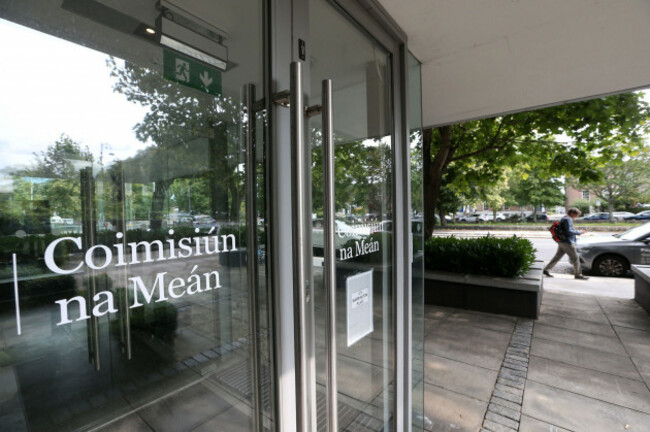
The Online Safety Code, which makes up part of a different directive on user safety on video-sharing platforms, rules that social media companies must provide media literacy tools for users, to help people recognise dis-and-mis-information.
It was established following a lengthy public engagement programme. A draft code was previously in place so the Irish law could be in line with EU regulations and so that the regulator could enforce new rules.
Reporting mechanisms, as explained by the regulator in an interview with The Journal last year, will be completed by the independent regulator, who will assess reports from across the EU and chose to take action by engaging with the platforms’ owners.
These mechanisms were previously used by the regulator and the EU during the riot in Dublin last November. Today’s new rules will allow the regulator take a stronger approach to cases where possible breaches have been identified, if necessary.
Some social media experts and regulation advocacy groups have pointed to holes in the code, particularly over its lack of regulations targeting ‘harmful or toxic’ algorithms.
There are no particular rules targeting the mechanisms – used to automatically curate a user’s feed – included in today’s 32-page report but it does reference algorithms when describing the type of platforms that fall under the new rules.
CyberSafeKids – an organisation advocating for better protections for children on line – called for the code to be implemented following a commissioned report in September that found a quarter of children aged 8-12 had come across harmful content on line.
A report, commissioned by the same organisation and published last week, found the same amount of the group believed they spend too much time online.
The code has been welcomed by Taoiseach Simon Harris, who in recent months has taken aim at social media companies in the aftermath of the rioting in Dublin city, Coolock and Belfast within the last year.
“The Online Safety Code sends a strong message to social media platforms that they will be held accountable for how they protect those who use their sites from harmful video content,” he said in a statement.
Jeremy Godfrey, the chief of the Irish media regulator, said that Irish users should not hesitate to report content they see online which they believe to be illegal and has invited the public to engage with the commission’s Contact Centre for advice or guidance.

To embed this post, copy the code below on your site














have your say