Sign in. It’s quick, free and it’s up to you.
An account is an optional way to support the work we do. Find out more.
Sign in. It’s quick, free and it’s up to you.
An account is an optional way to support the work we do. Find out more.
LAST UPDATE | 4 Jun
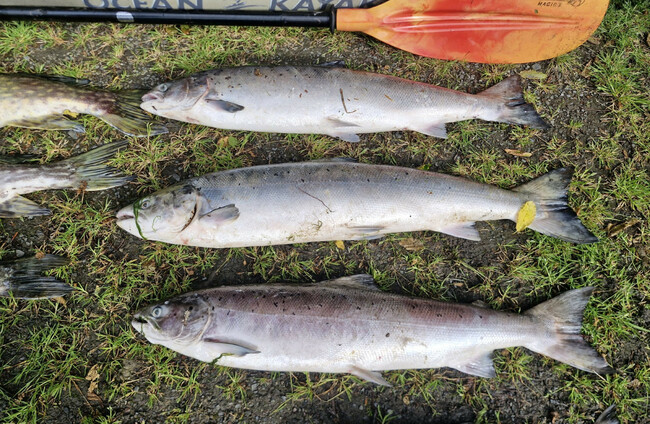
INLAND FISHERIES IRELAND (IFI) is currently investigating a “locally significant fish kill” impacting several species on the River Glyde in the area of Tallanstown Co Louth.
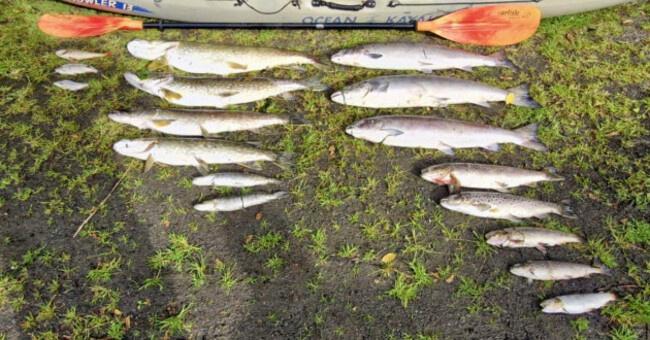
The fish species found dead includes adult and juvenile eel, brown trout, pike, coarse fish and Atlantic salmon, which are currently near-threatened or endangered in Ireland.
IFI Fisheries environmental officers have been on site since Tuesday evening to investigate the incident and samples taken at the river have been sent for laboratory analysis.
The impacted area spans from Aclint Bridge, Co Monaghan to Lynns Weir, Castlebellingham, Co Louth.
IFI has since confirmed that the source of the pollution was an agricultural discharge, which has been stopped, and said it was now preparing a file for potential prosecution.
Ronan Matson, director of the IFI’s Easter River Basin District, estimated that over 20,000 fish have died.
Speaking to RTÉ Radio 1′s News at One programme, he said:
“We’ve taken our water samples and sent them on to laboratories for testing. The idea now is we’ll wait for those results to get back and confirm the cause,” he added.
He said the pollutant is no longer believed to be entering the river and will wash out “relatively quickly”.
He said it could take several years for the fish to come back to the area, but that most fish spawning was taking place upstream from the source of pollution and shouldn’t be impacted.
Monitoring and assessment of the impact will continue to be undertaken by IFI staff.
The IFI is urging the public to report instances of any fish kills to its confidential 24/7 number, 0818 34 74 24.

To embed this post, copy the code below on your site










have your say