Sign in. It’s quick, free and it’s up to you.
An account is an optional way to support the work we do. Find out more.
Sign in. It’s quick, free and it’s up to you.
An account is an optional way to support the work we do. Find out more.

THIS NATIONAL OCEANIC and Atmospheric Administration video shows where plants thrive on Earth and how this “greenness” changes with the seasons.
The week-by-week changes in vegetation make allow scientists to assess fire danger, improve relief efforts in drought stricken areas, or anticipate malaria outbreaks (since malaria-carrying mosquitoes need moist green areas to grow).
The data can also aid everything from smarter land use to better weather reports. Water runoff, surface temperature, and the relative humidity of an area are all meteorological factors influenced by levels of plant life.
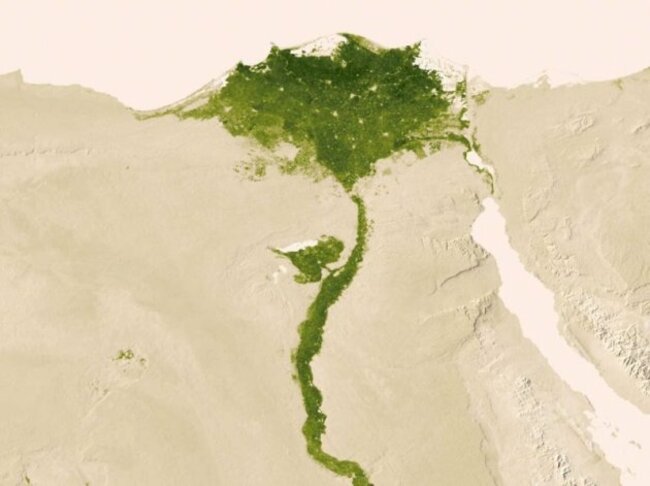
You can see here how the Nile River is a crucial source of water for plant life — bringing the Delta to life in the middle of a a dry, hot region:
via NOAAVisualizations/Youtube
NOAA/NASA
“As humans, we do have impact on the colour of Earth,” the video’s narrator says. “But the cycle of seasonal growth continues to be a constant rhythm on our green planet.”
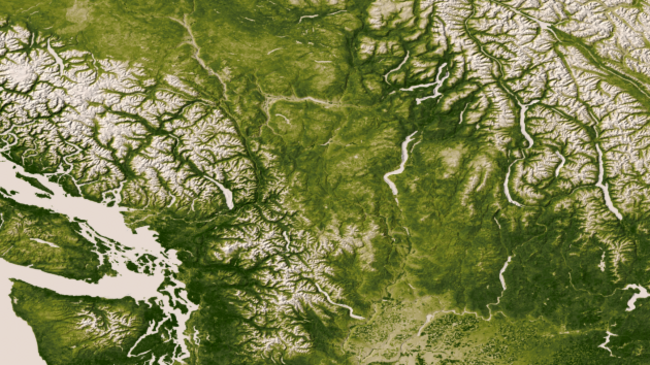
Here we can see how elevation changes limit the amount of greenness in the Pacific Northwest of the USA. The Rocky, Cascade, and Coast Mountain Ranges dominate the landscape below, then give way to potato and other agriculture in the plains of Idaho at the bottom centre of this image:
NOAA/NASA
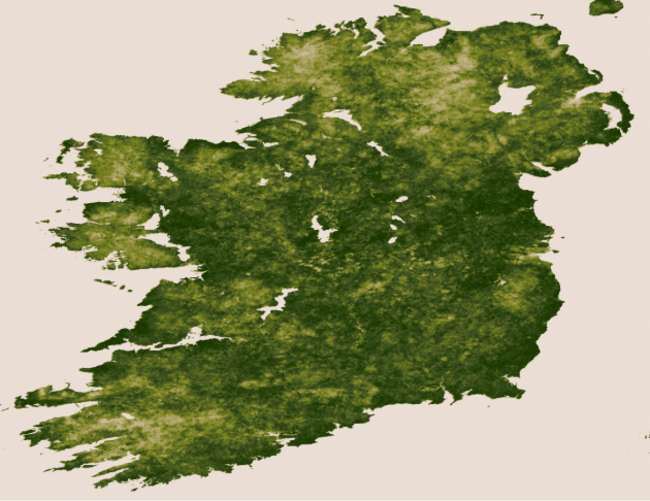
There’s also an interactive version of the map, which you can use to see your favourite places, like, well…. Ireland:
NOAA/NASA
The data that comes from the Suomi NPP satellite, which collects data about Earth to help scientists understand its subtle and dramatic changes. It recently also gave us some beautiful images of how Earth looks from space at night.
- Robert Ferris
Handy online map shows how far you are from a hospital>
Scientists create most detailed map ever of human brain>
Chris Hadfield’s replacements to study plants and fire in space>

To embed this post, copy the code below on your site















have your say