Sign in. It’s quick, free and it’s up to you.
An account is an optional way to support the work we do. Find out more.
Sign in. It’s quick, free and it’s up to you.
An account is an optional way to support the work we do. Find out more.
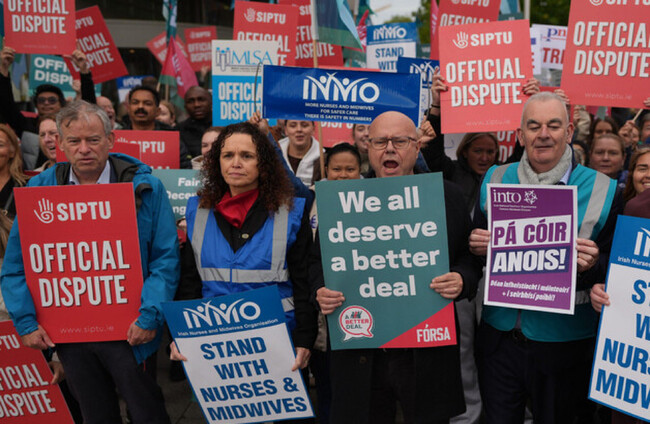
PUBLIC SECTOR UNIONS have said they will be “left with no alternative” but to escalate strike action if crunch talks do not reach an agreement.
The talks are said to be at a critical juncture with the threat of further strike action next month lingering.
The proposed date of the next nationwide strike would be Wednesday 11 November.
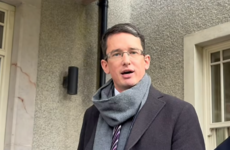
Fórsa general secretary Kevin Callinan has told his members the negotiations – which entered their 11th day on Friday – had at times been “heated”.
Callinan, who is also chairman of the Irish Congress of Trade Unions’ Public Services Committee (ICTU, PSC), said an agreement remains possible, but he accused the government of not yet putting forward a “credible offer”.
In a bulletin to members, he said: “It remains to be seen whether it will do so. I will continue to push for the best deal for members, but I cannot be certain that we will reach that point this week, or indeed over the weekend.”
The PSC is due to meet on Monday to discuss the talks and consider the proposal for the nationwide strike on 11 November.
That would coincide with a rank-and-file gardaí work-to-rule over their conditions running from Tuesday 10 November to Saturday 14 November, including major EU presidency events on the Thursday and Friday.
Fórsa’s National Executive Committee passed a motion backing a proposal for this approach in the event of no agreement.
Callinan said: “Members have been clear about the pressure that rising living costs are placing on their households.
“Unions entered these talks seeking an agreement that recognised those pressures and protected living standards.
“If we fail to reach an acceptable agreement by the weekend, it leaves unions with no alternative but to escalate the action.”
Unions entered into talks with officials from the Department of Public Expenditure at the Workplace Relations Commission in Dublin on Monday 19 October.
It came after hundreds of thousands of public sector workers participated in a nationwide strike on the preceding Wednesday.
As pickets were staged around the country, impacts included the closure of schools, rescheduling of thousands of non-emergency hospital appointments, and the cancellation of driving tests and most court hearings.
The public sector workers – including nurses, doctors, teachers and civil servants – launched the national strike after first engaging in work-to-rule action.
Unions had demanded that pay would be top of the agenda in the talks, with the government saying it would be discussed as a priority.
A second nationwide strike day was suspended as the talks were arranged, although a work-to-rule remained in place but may now materialise next month.

To embed this post, copy the code below on your site










have your say