Sign in. It’s quick, free and it’s up to you.
An account is an optional way to support the work we do. Find out more.
Sign in. It’s quick, free and it’s up to you.
An account is an optional way to support the work we do. Find out more.
THE PUBLIC HAS been urged to steer clear of sick or dead wild birds and to do the same with pets.
The Department of Agriculture has warned that a “highly pathogenic” strain of bird flu - Avian Influenza H5N1 – is currently circulating in wild birds.
This is especially the case in breeding seabirds around Ireland.
Over the last three weeks there have been a number of cases of groups of dead wild sea birds washing up on shorelines in counties Kerry, Clare and Galway.
This follows “intensive surveillance” by the National Parks and Wildlife Service (NPWS).
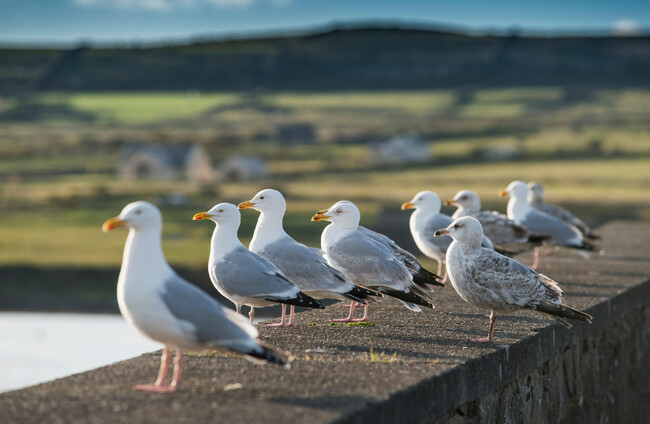
A number of these birds have been tested by the Department of Agriculture and gulls and Guillemot have so far been confirmed with the H5N1 strain.
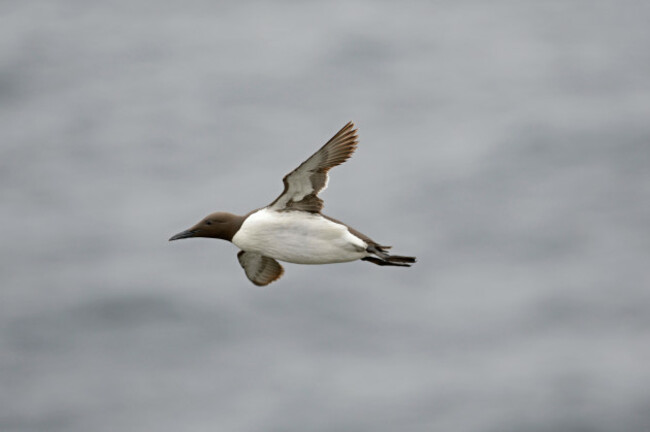
It’s warned that “many multiples of that are likely to have H5N1”.
In total, 25 wild birds have tested positive for this highly pathogenic bird flu so far this year.
Bird flu is a notifiable animal disease and is a highly contagious viral disease affecting the respiratory, digestive and nervous systems of many species of birds.
It can also pose a threat to people and other animals in certain circumstances, but these types of infections are rare.
As a result, the Department of Agriculture and HSE has advised people to refrain from touching sick or dead wild birds and to not bring sick wild birds home.
Pets should be kept away from sick and dead wild birds and dogs should be kept on a leash where sick or dead wild birds are present.
The Department of Agriculture carries out year round bird flu surveillance sampling and in areas where H5N1 has already been confirmed, it may not be necessary to collect further birds for sampling.
The bird flu virus is very contagious among birds and can survive for several weeks in the environment.
The faeces of infected birds also contain high levels of the virus and so the area can remain infective, irrespective of whether bird carcasses are removed from an area or not.
Over the past number of months, the NPWS has been undertaking intensive monitoring and surveillance with a nationwide network of regional staff.
This includes collecting information on seabirds from coastlines, key colonies and elsewhere across the island.
Any suspected cases are reported to the Department of Agriculture for testing, which has responsibility for bird flu testing in Ireland.
Meanwhile, the Department of Agriculture has requested that all sick or dead wild birds are reported to the Avian Check app.
While not all dead birds will be collected for testing, the Department said reporting is “greatly appreciated and provides important information to support surveillance and risk assessment activities”.
Detailed information on bird flu is available on the Department and Gov.ie websites.

To embed this post, copy the code below on your site













have your say