Sign in. It’s quick, free and it’s up to you.
An account is an optional way to support the work we do. Find out more.
Sign in. It’s quick, free and it’s up to you.
An account is an optional way to support the work we do. Find out more.
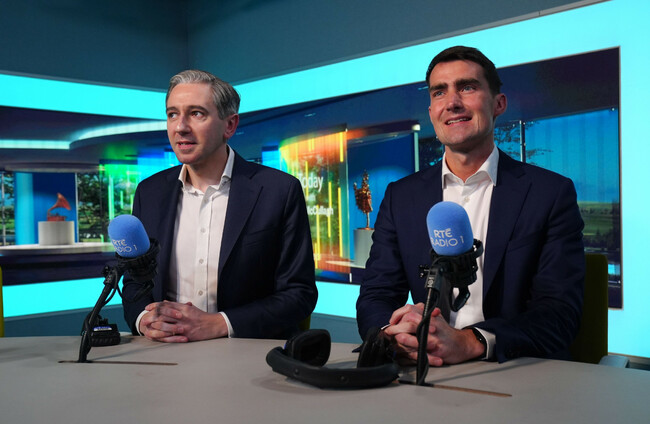

IS OUR GOVERNMENT adulting? Our lookalike finance ministers (average age: 37) seem to have grown up. They have set out a budget which opens up opportunities for many people.
The government has moved beyond scattering €500 in every direction and hoping for the best, as witnessed in previous budgets. Instead, there is improved focus on some key areas that will build value for many years into the future.
Above all, there is a definite move towards a more mature culture of personal investing, saving, and wealth-building in this budget. As we’ll see, that’s important, because the government does not show much interest in building rainy day savings of its own. What’s also important is that this budget is less about creating winners and losers, and more about how each of us can take up the opportunities it offers, whatever our current financial position.
There are three big positives for people trying to build wealth. First, the much-ballyhooed investment scheme. It turns out to be a touch more generous than many expected. You can add €12,000 a year, and you’re not taxed on the portion above €50,000. Above that, a 1% rate applies.
To be sure, there will be people who get a shock in a year they lose money and still find themselves paying the 1% wealth tax. But that is some time away – and many others will find a way to squirrel away, say, €24,000 over time, and double their money tax-free as investment markets do their work.
For many people, that’s a sizeable house deposit, or will fund children through third-level, or kill off the mortgage a few years early. It will also help spur a wider culture of investing, in a way the fabled SSIAs never did. We all knew they were too good to be repeated.
A positive aspect of this investment scheme is that you can start from low amounts. And it’ll be widely on offer from banks, brokers and online platforms. It seems likely that in five or seven years’ time, it’ll be as normal a part of our personal finances as opening credit union accounts and swapping Dunnes Stores money-off vouchers.
So much for the new. What about adjustments to existing arrangements? Much-despised taxes on investment returns have been cut, if not fully reformed. Capital gains tax falls from 33% to 31%, a move few expected. And exit tax on mutual funds falls from 38% to 35%, though fixing with Ireland’s weird deemed disposal regime is just too hard. Finance Minister Simon Harris has said that this “rule is something that we need to move beyond”. Just not yet, apparently.
Thirdly, there are the rising inheritance bands. Your son or daughter can now inherit €420,000 tax-free, taking €6,600 out of the tax net. Intergenerational wealth is a fairly new concept in Ireland, and this will help families looking to pass assets on – whether on death or as a gift in life.
So if you are serious about getting on in Ireland in 2027, there is quite a lot on offer. Here’s how three groups of grownups can take advantage:
For those who are first-time adulting, a 15% increase in rent tax credit is useful, though the €5,000 rise in help-to-buy deposits will probably just filter through to sellers as these measures tend to. The government also seems serious about making childcare more affordable – but as with housing, shies away from measures that increase supply and fix underlying problems.
Personal investment accounts look quite attractive for younger adults. The fact that they reward risk, and pay no interest on cash will make them inappropriate for most house deposit savings.
But unlike pensions, the benefit of which is so far away, these accounts offer the prospect of building some decent money in a timeframe you can visualise.
Longer term, this group will benefit most from enormous investments into Dublin’s MetroLink, as well as the building up of Ireland’s sovereign wealth fund – the Future Ireland Fund – with a total €5.8 billion commitment, available for spending from 2041 onwards.
Card-carrying grown-ups will welcome a rise in the threshold at which top-rate tax is paid, even if it is a bit stingy. It’s moved from €44,000 to €46,500 for a single person – effectively a tax saving of €500 if you earn €46,500 or more. The risk here was a repeat of last year, where it didn’t move at all.
Fully-grown adults will also benefit from cuts to USC, to third-level costs, and a hike in the amount you can feed to the electricity grid from your solar panels, as well as inflation-based uplift in children’s allowance.
Lastly, if you’re trying to make more with less, there is also a certain amount for you. Rent-a-room relief now enables €16,000 of tax-free income a year – an 11% increase. Social welfare benefits have been moved up, and the main tax credits increased by €125.
Of course, there will always be demands for more. But what looks like generosity comes with trade-offs. For example, in accepting the Low Pay Commission’s recommendation to increase the minimum wage by 5.3% to €14.94, we risk hitting limits where businesses will be willing to employ young people entering the workforce for the first time.
The trouble with grownups is they sometimes stay out too late enjoying themselves, when they should be attending to the serious stuff. There’s no doubt the budget misses several opportunities. These can be divided into three kinds:
Firstly, there’s the addiction to adding to our already complicated tax system, rather than taking things away. For example, here are some of the tax rates that now apply to investments, depending on where you keep your money in Ireland: 1% (personal investment accounts), 25% (companies), 31% (capital gains), 35% (exit tax next year), 38% (exit tax now). This has little logic behind it.
Then there’s the fact that we continue to depend so much on corporation tax receipts and the top end of income taxpayers. Here’s how the government’s own spending watchdog, the Irish Fiscal Advisory Council (IFAC), marked their homework: “Budget 2027 puts the public finances on a worse trajectory by repeatedly breaking established spending limits and increasingly relying on high-risk corporation tax”.
Ouch. In particular, IFAC points out, corporation tax receipts are volatile and dependent on a handful of US companies, yet the government is spending €6 out of every €7 that it gets. What’s the plan if that dries up? The risk is that the government will be forced to borrow more, at a time when the cost of government borrowing is on the rise.
Finally, there’s the lack of appetite for the real reform on the big problems that dog life in Ireland in 2026. Our government has little to say when it comes to the hard work of fixing the planning, supply and cost control issues that would sort causes rather than symptoms, and help deal with the housing backlog, slow infrastructure delivery and missing football pitches people could really do with.
Instead, we continue to throwing subsidies at housing, childcare, transport and other vocal constituencies. There is no real attempt to control costs. We’ve found a whopping €6 billion of additional cash for MetroLink! That’s €6 million extra per working day, yet is barely noticed compared to much less consequential tweaks.
These missed opportunities at government level are exactly why it’s vital for individuals to make the most of what’s available in Budget 2027. Make sure you take the opportunity.
Ralph Benson is a chartered accountant and head of financial advice at online investments and pensions adviser at Moneycube.ie.
To embed this post, copy the code below on your site
















have your say