Sign in. It’s quick, free and it’s up to you.
An account is an optional way to support the work we do. Find out more.
Sign in. It’s quick, free and it’s up to you.
An account is an optional way to support the work we do. Find out more.

LAST UPDATE | 2 Dec 2024
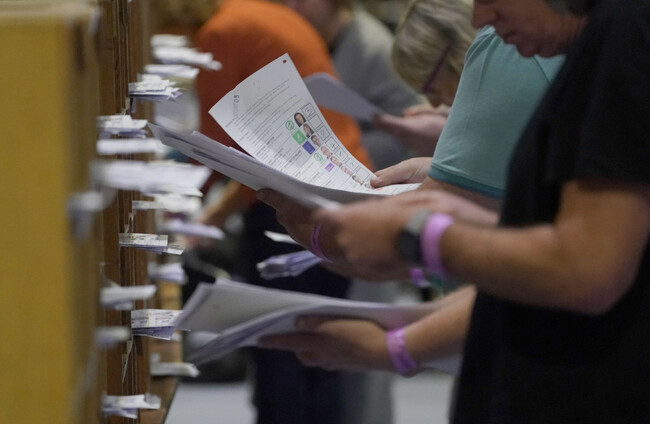
LOOKING AT THE Irish general election, as results trickled in bit by bit, it was hard to get the impression of an entire nation making a careful decision over who would govern its future. And it was hard to say who was the clear winner, notwithstanding both Fianna Fáil and Fine Gael seem on track to form another government, of a shape and size yet to be determined.
Throughout the count, reality was clouded through the lens of 43 constituency “Lilliputs”. Jonathan Swift might have had fun satirising each with their own cosmos of incumbent TDs, around which aspiring newbies orbited, all greedily competing over ‘national issues’ translated into local argots of the parochial.
It was arguably not an election with much by way of a single unifying narrative. This is despite the pervasive horror of our housing dysfunction, still rising cost of living woes, or the squalid failings and fulsome promises over disability. And let’s not forget the headwinds of the incoming Trump ‘threat’ nor the zippy zeitgeist theme of ‘change’ which was floated.
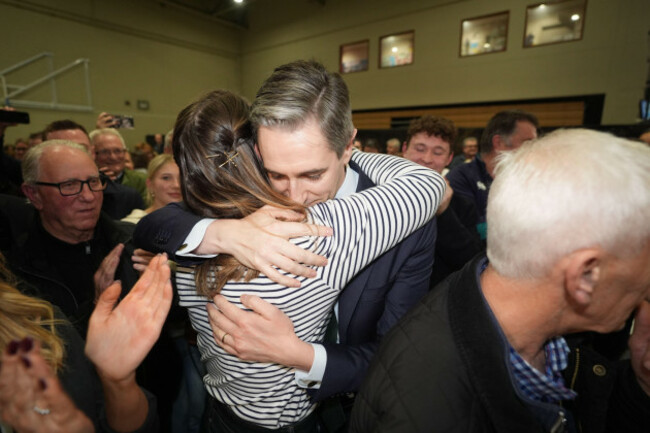
The results in the end spoke more of a preference for local certainties: ‘better the devils we know’. Which was odd, because things began to go a bit off the rails for Fine Gael in particular. The much vaunted “Harris hop” in the opinion polls slowly mutated into a “Harris hobble” as he tripped over an unhappy canvassing interaction and other issues.
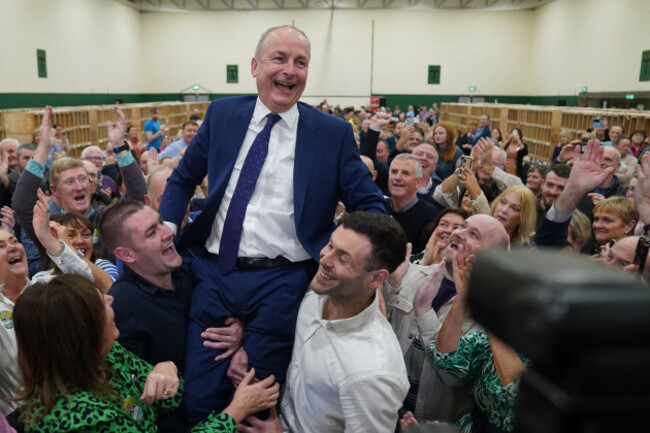
Sinn Féin climbed a few steps out of opinion poll purgatory and rallied. Fianna Fáil had a relatively low timbre national campaign, as Micheál Martin, looking like the cat who stole the cream, quietly marched his soldiers of destiny towards winning more seats than any other party.
It arguably was an election where reality took a sneaky pre-Christmas holiday. Manifestos tripped over each to promise lavish spending plans combined with a medley of tax cuts in various fetching ideological hues.
The strong whiff of “promising cake, and eating it as well”, sat oddly with the rest of the planet careering towards climate melt-down, casual threats of nuclear war on Europe’s periphery, or an impending dismantling of the free trade system, so vital to our economic success over the last decades. But never mind, the two lads from Kerry with flat caps got returned!
28 elections and 28 wins.
— Jackie Healy-Rae (@Jackie_HealyRae) December 1, 2024
10 Dáil and 18 council elections in a row have been fought and won by a Healy-Rae since 1974.
It’s thanks to the people of Kerry that we continue to serve them as their public representatives both locally and nationally. pic.twitter.com/72M3RZLC1e
Nowhere did the ‘surreal’ sense of election 2024 become more evident than the media circus that descended on Dublin Central. As Gerry Hutch entered the RDS count centre, resplendent in a suit, complete with a documentary camera crew and international media in tow, it was clear that Election 2024 had hit peak uncanny.
Given the security and media frenzy, a casual observer might have assumed Hutch had even been elected, whereas in fact in the end, he was beaten by Labour’s Senator Marie Sherlock by 781 votes! It certainly was the most dramatic count of the entire election. And a textbook lesson in why voting matters.
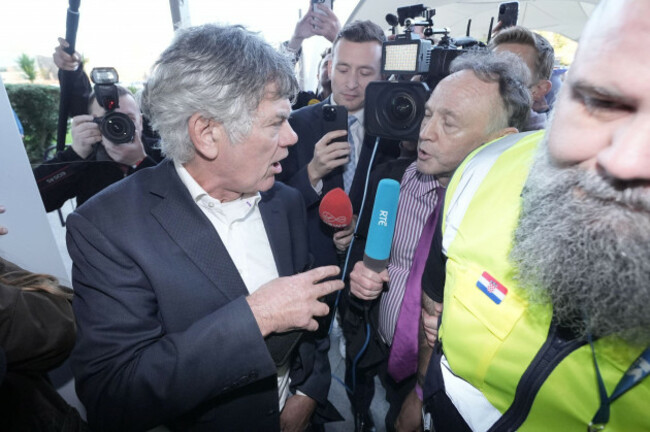
The international media left bitterly disappointed, unable to file their pre-written copy with lurid headlines, and having to settle instead for that shabby byline: “Irish election results reveal more of the same”.
In this regard, the Hutch phenomenon is perhaps just the most colourful or extreme example of our electoral system which privileges the local, placing minimal barriers to independent or non-party candidates from standing. Under existing electoral Irish rules, independents can run by placing a deposit of €500 or securing 30 verified elector signatures.
Arguably this electoral registration system is far too permissive and it could be quite simply changed to raise the threshold by requiring many more verified endorsements from electors (and those who are not simply extended relatives or family members either).
This permissiveness partly explains why Irish voters ended up with such long ballot papers in this election: Cavan-Monaghan voters had to plough through a list of 20 hopefuls. Speculation about banning candidates who have past criminal convictions is a more complex proposition, which raises issues of compliance with the European Convention on Human Rights unless very carefully specified.
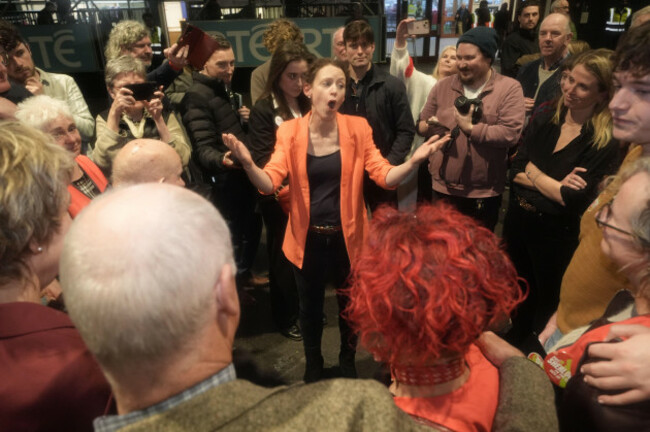
In the end, what was crucial to Hutch getting a decent wodge of first preferences was the decision by Christy Burke, another independent (ex-Sinn Féin) candidate, not to stand. Therefore, Hutch’s candidacy reflects a long history of strong anti-establishment sentiment in Dublin Central. This was also partially confirmed by the fact that Hutch received a key boost in his votes when Malachy Steenson, the independent but far-right candidate, was eliminated on the 7th count, claiming 57% of the transferable votes from the latter.
Irish people do not generally understand that, by international comparison, this prevalence of independents is pretty exceptional. In several EU states, their national election systems do not even permit independent candidates (Austria, Spain, Italy, Belgium, Czechia, etc.) forcing them to form parties.
For those that do tolerate independents, the numbers elected are usually tiny. In Ireland, by way of contrast, we see double-digit numbers (13%) being elected to our national parliament.
Confusingly, they come in a multitude of ideological variations; ‘gene pool’ party refugees, rural renegades, far-left purists, and now, far-right anti-immigrant provocateurs. Since the 1960s, independents, usually in small numbers, have occasionally shored up minority governments for key votes. In the 2016-2020 government, they actually joined the government and took three ministerial portfolios!
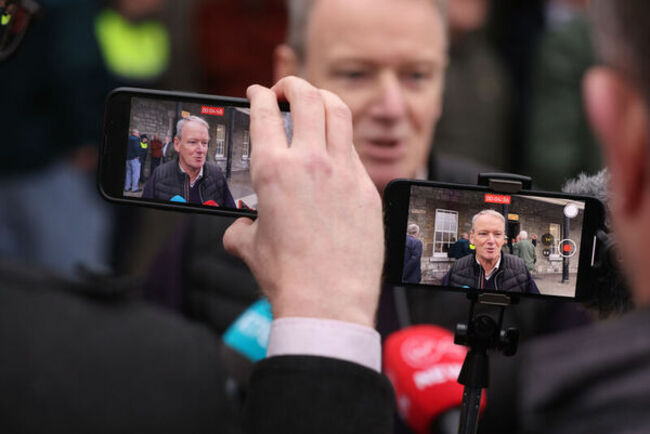
Although independents did not collectively perform as well as some opinion polls suggested in this election, it seems plausible that some of them will form a key part of the discussions in any future government formation, given that both Fianna Fáil and Fine Gael will be quite close to a parliamentary majority-88 deputies.
This means they may only need a handful of additional deputies to give them a comfort zone to safely elect a presumably ‘rotating’ Taoiseach and pass budgets. Why do a complex deal with a third party in that case? Independents may also be players given that both the Labour Party and the Social Democrats could be a little cagey about entering a government led by Martin and Harris. Fresh in their mind will be Green Party’s gutting by the electorate.
Yet as the dust settles after Election 2024, the last posters get taken down, and a new government rumbles into life, it’s just possible that the one result which will stand out most in people’s memories will be those closing stages of that dramatic count in Dublin Central.
Dr Brendan Flynn is an assistant professor and head of discipline and political science at the University of Galway.
To embed this post, copy the code below on your site










have your say