Sign in. It’s quick, free and it’s up to you.
An account is an optional way to support the work we do. Find out more.
Sign in. It’s quick, free and it’s up to you.
An account is an optional way to support the work we do. Find out more.
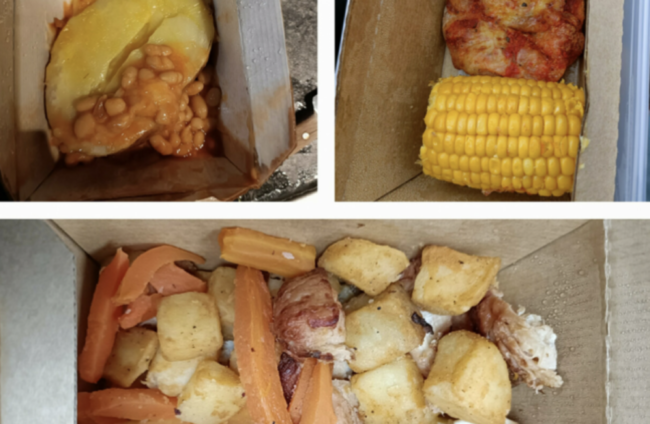
THE HOT SCHOOL Meals Programme should be rolled out to post-primary schools as a matter of “urgent priority”.
That’s according to a new report by the Joint Committee on Education and Youth, which was tasked with evaluating the programme.
The Hot School Meals Programme has been available to all primary schools since last September.
The committee of TDs and senators recommended that full responsibility for the scheme should be moved to the Department of Education and Youth from the Department of Social Protection.
The school meals programme has been in the headlines recently amid criticism of the quality and nutritional value of the food in some schools.
In the sustainability section of the report, the committee has said that “all suppliers should be mandated to provide reusable plates, knives, forks and drinking glasses/cups so that students eat their meals off a plate with a knife and fork” rather than from disposable containers.
Where food is prepared in-house, funding should be made available for the purchase of eating utensils, and, ideally, a space for students to rinse their own cutlery before it is put in a dishwasher, the report said.
In addition, the committee believes a dedicated capital grant scheme should be established to fund the installation of commercial dishwashers.
Another section of the document details how the committee is advising the department to support local farmers and suppliers and said priority should be given to “organic produce”.
In relation to nutritional value, the committee said that officials working as part of the Interdepartmental Working Group on the School Meals Programme should publish a policy paper on the content of the meals, to examine factors like “age appropriate portion sizes” and the elimination of highly processed foods.
The committee also suggested making Home Economics a mandatory subject in all primary and post-primary schools as part of the SPHE/Wellbeing Programmes and as a core Transition Year (TY) module in post-primary education to uphold good practices with food intake and preparation.
To embed this post, copy the code below on your site











have your say