Sign in. It’s quick, free and it’s up to you.
An account is an optional way to support the work we do. Find out more.
Sign in. It’s quick, free and it’s up to you.
An account is an optional way to support the work we do. Find out more.
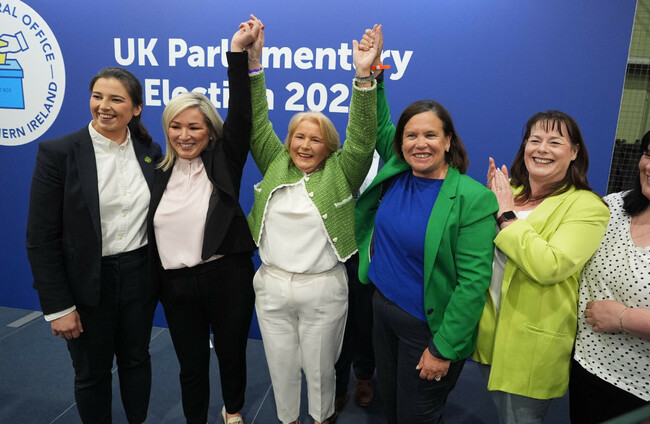
SINN FÉIN HAS made electoral history in the North and are now the region’s biggest party at Westminster, while Alliance also made history in taking the seat formerly held by ex-DUP leader Jeffrey Donaldson.
It means Sinn Féin has now completed the hattrick in becoming the largest party at Westminster, Stormont, and local government.
Sinn Féin achieved this feat by standing still and emerging from the election with the seven seats they entered with.
It was a bruising night for the DUP, with the Paisley dynasty in North Antrim coming to an end.
In North Antrim, a seat which has been held by an Ian Paisley since 1970, Ian Paisley Jr lost to the Reform-backed TUV leader Jim Allister by 450 votes.
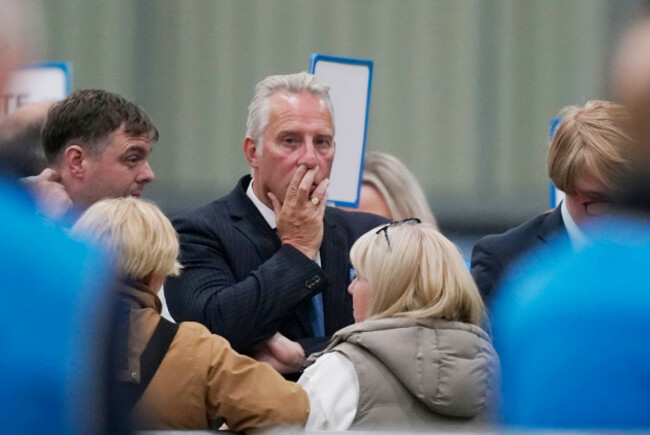
Speaking after his election, Allister said the DUP had tried to “hoodwink” unionists and that unionists “would not be taken for fools”.
The DUP is the only party in the North to make net-losses and also lost its seat in Lagan Valley, which had been held by former leader Jeffrey Donaldson.
The DUP however held on to its seat in Belfast East, which prevented a potential leadership headache for the party.
In Belfast East, DUP leader Gavin Robinson went head-to-head with Alliance leader Naomi Long.
It was the fourth time the two went to an electoral battle, with Robinson coming out on top once more.
Speaking to The Journal prior to the election Jon Tonge, a British and Irish politics professor at the University of Liverpool, said Belfast East was the seat the DUP needed to retain for the sake of its leader, as the party leader needs to be an MP or Stormont MLA.
The DUP’s Gregory Campbell also came close to a shock defeat in East Derry.
He’s held that seat since 2001 and had a majority of close to 9,000 last time out – Sinn Féin cut that to just 179.
A full recount was needed to get Campbell over the line, which handed the DUP its fifth seat of the night – down from the eight it held after the 2019 election.
Campbell blamed a split unionist vote, alongside an increase in the Sinn Féin vote, for the close run contest.
For Sinn Féin, holding on to what they had was enough to come out on top, though there was a landslide in the notoriously tight Fermanagh-South Tyrone.
Sinn Féin’s Michelle Gildernew won it in 2019 by just 57 votes, and came out on top by just a single vote in 2010 after three recounts.
Gildernew didn’t run this time round though – she instead unsuccessfully contested the European Elections in the Republic’s Midlands-North West constituency last month.
Pat Cullen, the former general secretary and chief executive of the UK’s Royal College of Nursing, ran for the party in her place and won by over 4,600 votes.
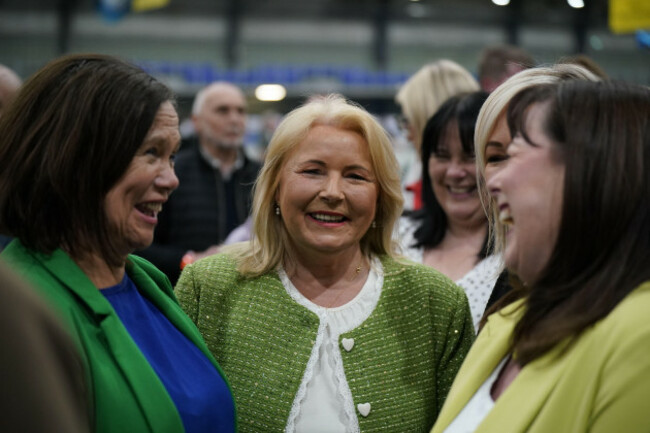
And while there was some fear for the seat held by Sinn Féin’s Chris Hazzard in South Down, he ended up winning comfortably by over 9,500 votes.
For Alliance, it was a real bitter-sweet night.
The party, which designates as ‘other’ rather than ‘nationalist’ or ‘unionist’, took one seat in this election – the same as last time out in 2019.
The 2019 local elections were seen as a major breakthrough for Alliance, with the party gaining 21 additional councillors.
The momentum of the 2019 local council elections followed into the 2022 Northern Ireland Assembly elections in 2022.
But Alliance has never defended a Westminster seat and this trend continued, with Stephen Farry losing his seat in North Down to independent unionist candidate Alex Easton.
In the weeks before the election, Long said the party could be competitive in up to five seats.
However, real history was made in Lagan Valley with Alliance’s Sorcha Eastwood.
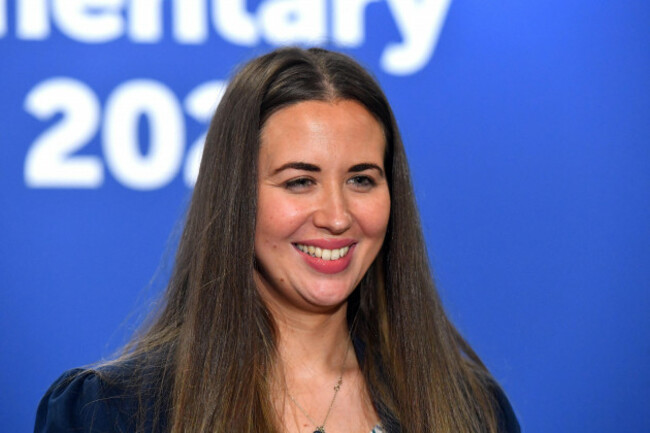
Donaldson didn’t stand as a candidate but his appearance in Newry Courthouse the day before voters went to the polls may have been playing in people’s minds.
For the first time, the seat will be held by a non-unionist and by a woman.
It was also a decent night for the Ulster Unionist Party, with the party regaining Westminster representation after electoral wipeout last time out.
Former health minister Robin Swann topped the poll in South Antrim and had a majority of over 7,500 votes on the DUP’s Paul Girvan.
However, Diana Armstrong fared badly in the notoriously tight Fermanagh-South Tyrone, losing out to Sinn Féin’s Pat Cullen by over 4,500 votes.
British and Irish politics professor Jon Tonge told The Journal prior to the election that the UUP would “be happy with one seat and just want Westminster representation back”.
He noted that while the “bigger scalp would be that of Sinn Féin in Fermanagh-South Tyrone, just getting back on those Westminster green benches would be massive for the UUP”.
While UUP leader Doug Beattie said he was happy to “get back onto the green benches in Westminster”, he told the BBC “there are other places where I wish we had done better”.
The SDLP maintained their seats, but the majority of leader Colum Eastwood took a massive blow in Foyle.
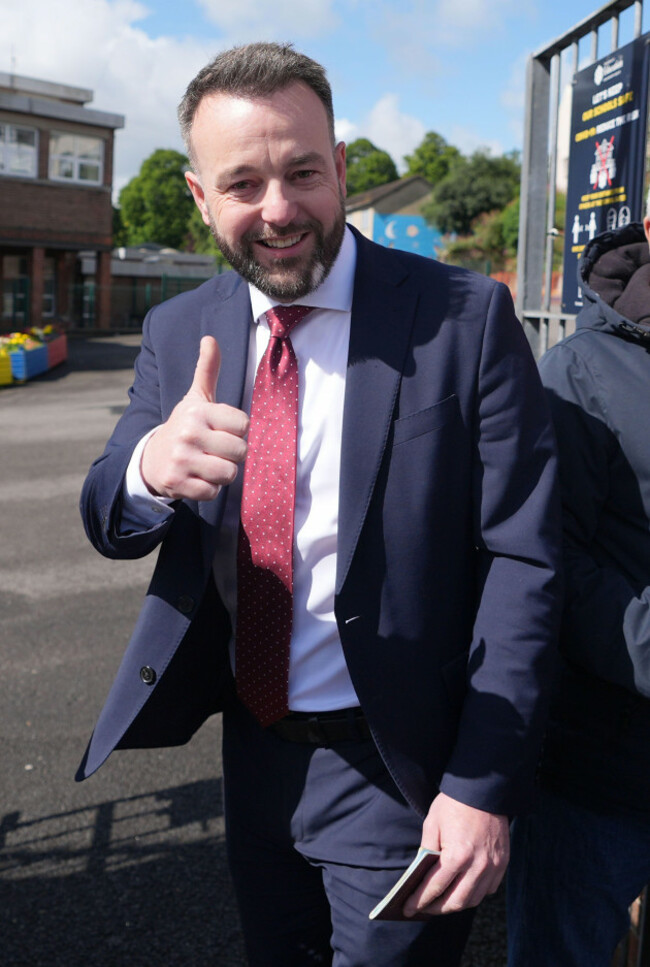
In 2019, Eastwood had a majority of over 17,000 votes, but that was slashed to just over 4,000.
Meanwhile, Claire Hanna won comfortably in Belfast South, with a majority of around 13,500 votes.
Elsewhere, the TUV grabbed a major win in North Antrim, with leader Jim Allister taking the seat of the DUP’s Ian Paisley Jr.
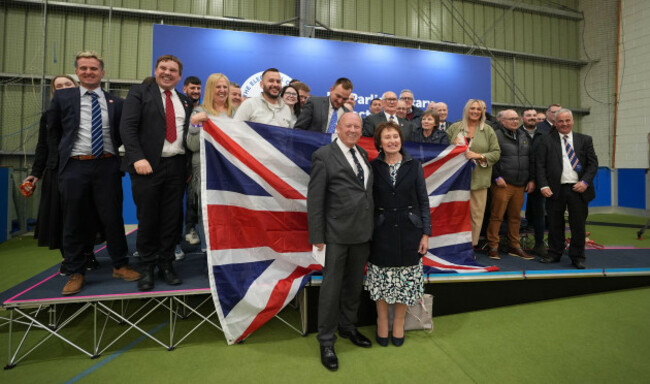
Allister told the BBC that many people “have egg on their face” after his close win.

To embed this post, copy the code below on your site












have your say