Sign in. It’s quick, free and it’s up to you.
An account is an optional way to support the work we do. Find out more.
Sign in. It’s quick, free and it’s up to you.
An account is an optional way to support the work we do. Find out more.
SKELETAL REMAINS POSSIBLY linked to the 1798 Rebellion have been found in Naas in recent weeks.
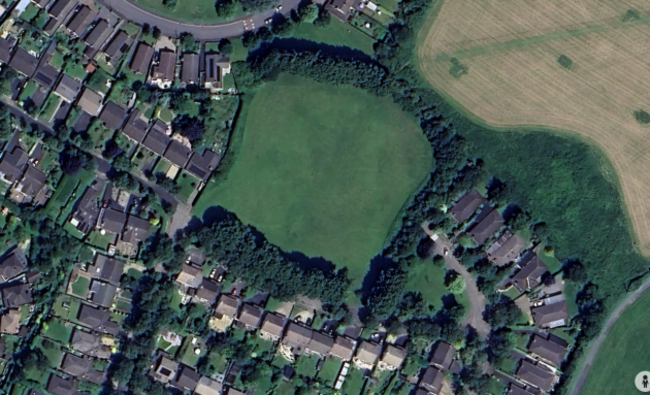
The burial site was unearthed in late September during the construction of a house near the centre of the Co Kildare town, as first reported by Kildare radio station Kfm.
The area, known locally as Gallows Glen, is located next to a residential estate and is associated with executions during the United Irishmen’s rebellion.
Seamie Moore, Mayor of Naas, said it’s believed locally that about 100 skeletons may have been found in the excavation process, though the exact figure has yet to be officially confirmed. The remains have been transferred to Cork for forensic examination.
No grave markings were found at the site and it is thought that the burials took place without ceremony or identification.
Speaking to The Journal, Cllr Moore said there’s a “strong belief” in the town that they are the remains of rebels who took part in the Battle of Naas during the 1798 Rebellion.
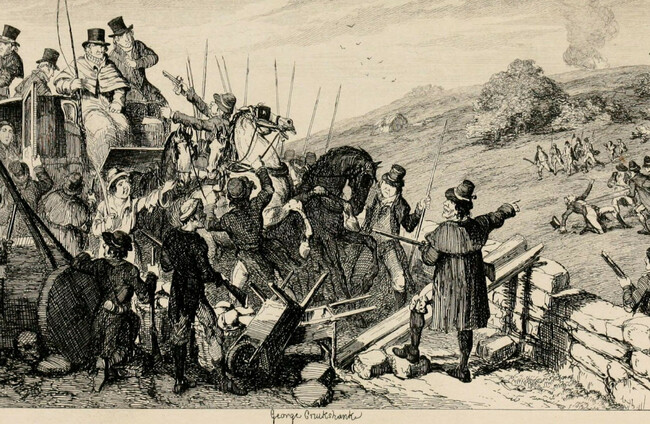
During the Battle of Naas, over 1000 rebels attacked the Naas Jail. Following the failed siege, dozens of rebels were arrested and disappeared.
“We’ve never been able to find where [the rebels] might have been buried or whatever,” Moore, the independent councillor said.
“This would identify a possibility, a very strong possibility, that the site of Gallows Glen didn’t get its name for nothing.”
Patrick Geoghegan, a professor of history at Trinity College specialising in 18th and 19th-century Irish history, cautioned against drawing conclusions about the remains before the forensic process has been fully completed.
Geoghegan said the remains could be the result of public executions that occurred around the same time, but the skeletons’ skulls and teeth would need to be examined before any determinations could be made.
“I’d be very wary of saying too much until they do the tests,” Geoghegan said.
“When things are found like that, people think this could be the missing piece of evidence we’ve been looking for – and it might very well be that. But the trouble is, there’s been so many deaths over Irish history that it might not necessarily be 1798, it could be something else.”

Local historian Paddy Behan, the honorary president of the Kildare Local History Group, noted that there’s a lack of written records of the rebels’ executions that would provide further clues as to where they are buried.
“In 1798 there would have been a lot of executions carried out, many of which would there be no record of,” Behan said.
Moore called for the skeletal remains to be reinterred at the town’s St Corban’s cemetery after they have been examined.
To embed this post, copy the code below on your site














have your say