Sign in. It’s quick, free and it’s up to you.
An account is an optional way to support the work we do. Find out more.
Sign in. It’s quick, free and it’s up to you.
An account is an optional way to support the work we do. Find out more.
LAST UPDATE | 12 Dec 2022
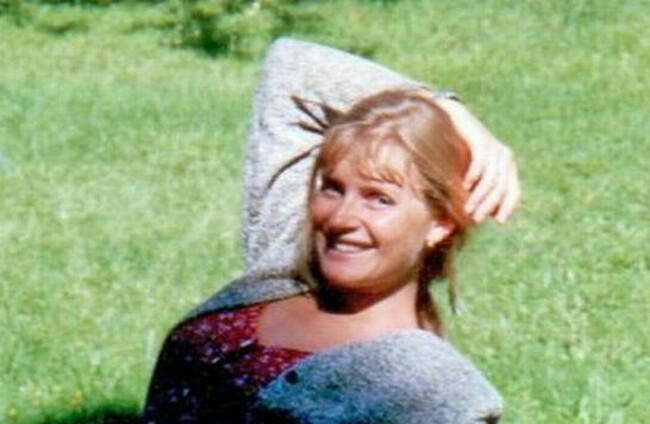
GARDAÍ SAY NEW witnesses have been identified in the investigation into the murder of Sophie Toscan du Plantier in 1996, and they have made a fresh appeal for information in West Cork today.
Superintendent Joseph Moore from Bantry Garda Station told The Journal that people who believe they have information have come forward in Ireland, France and the UK since the cold case review began in June, alongside additional witnesses that have been identified by Gardaí. He said that Gardaí still needed to interview a number of people in France.
Moore said that none of the new witnesses have yet provided information that establishes du Plantier’s movements between 4.30pm on 22 December and when her body was discovered at 10am on 23 December outside of her holiday home in a remote townland near Schull in West Cork, which is now a major focus point for the investigation.
When asked if there was any hope for a breakthrough in the case after 26 years, Moore said: “I don’t agree that it is time to set this case aside, it’s time to solve it.”
He further stated that he wants to see gardaí send a file to the Director of Public Prosecutions and for someone to be prosecuted for du Plantier’s murder.
Local gardaí in Cork believe that there are people who have information on the death of du Plantier who have not spoken with the authorities.
Speaking at the Harbour View Hotel in Schull this morning, Moore made a public appeal for information related to the murder of du Plantier on 23 December 1996.
“I believe that there are still persons, who have information on Sophie’s murder and haven’t yet spoken to gardaí, or may have spoken to gardaí but were not in a position to tell everything that they know,” Moore said.
I am appealing to those persons, 26 years later, to please come forward and speak to the investigation team.
“Sophie’s family still live in France and all of her siblings deserve to know what happened to their mother, daughter, wife, friend. Sophie has been denied the right to experience being a grandmother, Sophie deserves the truth behind her murder to be known.”
In particular, gardaí are looking to speak with anyone who met, spoke or interacted with du Plantier between her arrival in Dublin on 20 December 1996 and her body being discovered three days later at 10am on 23 December 1996.
They are also seeking anyone who was in the Toormore area of Cork between 20 and 23 December 1996, particularly anyone who drove on the R591 and R592.
Gardaí have said that they want to establish the movements of du Plantier between 4.30pm on 22 December and when her body was discovered at 10am on 23 December.
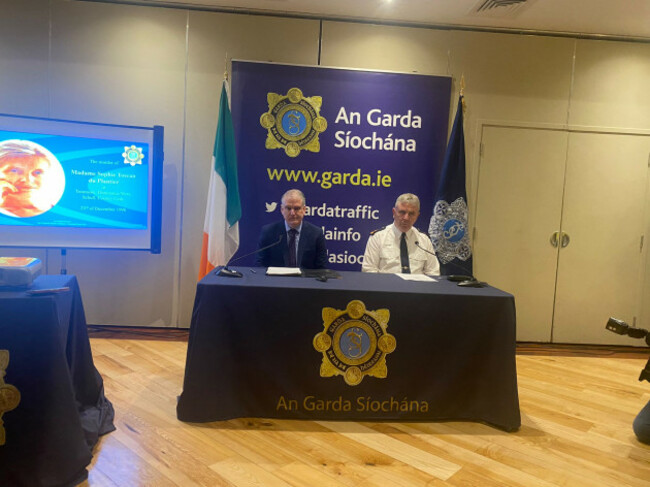
Speaking to reporters this afternoon, Superintendent Des McTiernan of the Serious Crime Review team said that there will not be a time limit on the investigation.
“One thing I can guarantee and my team will guarantee it as well, the review will be proactively pursued with competence and due diligence,” McTiernan said.
He added that will leave “no stone unturned” and they are looking at every piece of evidence.
Local Gardai and detectives from the Serious Crime Review Team are about to give an update on the investigation into the murder of Sophie Toscan du Plantier in #WestCork pic.twitter.com/HEsivXCdgN
— Eimer McAuley (@eimer_mcauley) December 12, 2022
Cold case review
In June of this year, gardaí announced that a full cold case review into the murder of du Plantier had commenced, with the purpose of finding new routes of investigation.
The review will be carried out by a group of specialist detectives from the Serious Crime Review Team (SCRT), which is a unit inside the National Bureau of Criminal Investigation.
Du Plantier’s son, Pierre Louis Baudey-Vignaud, has welcomed the new review. He said that the investigation into his mother’s murder must “come finally to justice”.
Du Plantier, a French television and film producer, was brutally murdered 26 years ago outside of her holiday home in the remote townland of Drinane, which is just outside of Toormore, and an eight-minute drive from Schull village in West Cork.
The 39-year-old mother of one had been a regular visitor in Toormore, where she purchased her holiday home three years prior to her murder.
Her severely beaten body was discovered in the laneway leading to her house by a neighbour, and following initial investigations Gardaí commended a murder inquiry.
Despite multiple arrests in the intervening years, no one has ever been charged with her murder and the failure to hold her killer to account has led to much controversy around the Garda investigation into her death.
The decision to re-open the case came after two documentaries, one from Sky and one from Netflix, brought renewed attention to the case.
Ian Bailey, a British journalist who was living in Schull with his then partner Jules Thomas at the time of the murder, has always been the major focus of the investigation into du Plantier’s death. He has consistently denied any involvement in her murder.
Bailey was charged with du Plantier’s murder by a French Court in 2019, but the Irish High Court refused to extradite him to France, where a warrant is out for his arrest.
In Ireland, he was arrested by investigating Gardaí twice and released both times without charge. When files have been sent to the DPP, they have always decided that there was insufficient evidence to justify a prosecution.
In 2001, the DPP’s Robert Sheehan produced a scathing 44-page report on the Gardaí’s evidence in their case against Bailey.
According to Sheehan’s analysis, a lack of forensic evidence, the handling of specific witnesses and holes in the links made between Bailey and du Plantier by Gardaí all hampered their case.
It later emerged that key evidence was misplaced by Gardaí, including the metal gate du Plantier’s body was found near.

To embed this post, copy the code below on your site











have your say