Sign in. It’s quick, free and it’s up to you.
An account is an optional way to support the work we do. Find out more.
Sign in. It’s quick, free and it’s up to you.
An account is an optional way to support the work we do. Find out more.
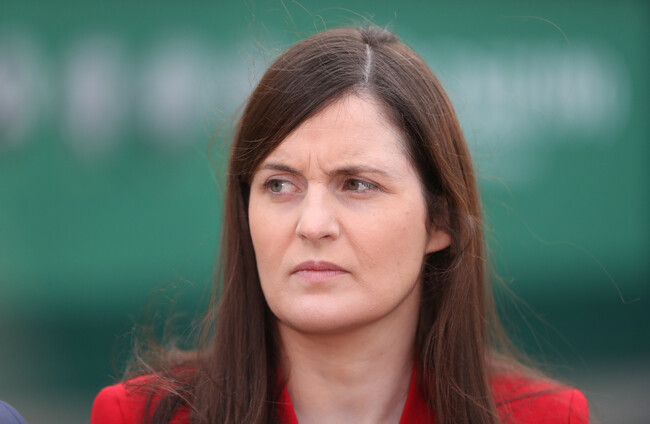
A FIANNA FÁIL TD has written directly to her party colleague and Housing Minister James Browne to express concern over “inadvertent” impacts of the government’s new rental legislation on tenants looking to swap flatmates.
As reported by The Journal yesterday, multiple tenants are contending that their landlord, property firm Ires Reit, has changed its approach to swapping out tenants, as part of the government’s change to rent rules nationwide that came into effect at the start of March.
Ires Reit – the country’s largest landlord with over 3,500 apartments – has said that it is operating within the regulations. It no longer permits the “addition of new tenants to existing leases”, nor subletting in its apartments, a spokesperson had said.
Dublin TD Catherine Ardagh contacted the Housing Minister this morning to outline the situation facing Ires Reit tenants in her constituency.
She added that tenants may feel “under pressure” as they may have to either pay more to make up for the vacant bed, or enter into a new lease that locks them into potentially significant rent increases down the line. Their other option is to leave the tenancy.
In the letter, seen by The Journal, Ardagh said she was “concerned that this type of scenario may arise more frequently, particularly in house-sharing arrangements where tenant turnover is a normal and expected feature of the tenancy”.
The Dublin South-Central TD added:
From a policy perspective, this raises a broader question as to whether the legislation may inadvertently create circumstances in which tenants feel under pressure where a reassignment is not facilitated, even where the intention is to continue the tenancy in substance.
The situation affects separate apartments in the Lansdowne Gate complex, in Ardagh’s constituency, and The Marker in Grand Canal Dock.
Browne’s office has been contacted for comment.
Speaking to The Journal today, Ardagh said she has a “real concern that the recent changes to rental legislation may have unintended consequences” for tenants in house-sharing arrangements.
She further urged for the minister and Department of Housing to provide “clarity and protection for long-term tenants” when seeking to swap flatmates.
For longstanding tenants, some who The Journal spoke to said the total bill for their apartment is approximately €2,400 per month.
However, under recently introduced rules governing the rental sector, other properties in the same building range from between €3,100 to €3,500.
The significant difference is because many private rental properties in urban areas have had any annual increases capped under Rental Pressure Zone (RPZ) rules for much of the past decade.
New rules that came into force on 1 March allow landlords to reset rents to market rates between one tenancy and another when the property is vacated.
In its statement to The Journal over the weekend, Ires Reit reiterated that it was unable to comment on individual cases and encouraged the tenants to engage with the firm, adding:
“Our approach to tenancy management reflects the legal framework governing residential tenancies in Ireland. Leases are structured as either single or joint tenancies. Any changes to the named parties require the agreement of all parties.
“Under our current policy the addition of new tenants to existing leases and subletting are not permitted.
“Any new tenancies reflect the new regulations as required and set out in legislation.”

To embed this post, copy the code below on your site











have your say