Sign in. It’s quick, free and it’s up to you.
An account is an optional way to support the work we do. Find out more.
Sign in. It’s quick, free and it’s up to you.
An account is an optional way to support the work we do. Find out more.
LAST UPDATE | 2 hrs ago
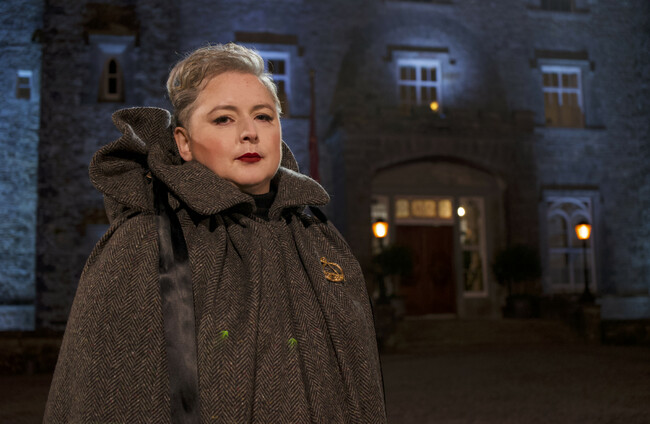
THE TRAITORS IS returning to our screens this evening for a new Irish season of the wildly popular competition show.
Host Siobhán McSweeney is heading back to Slane Castle with a fresh crop of contestants ready to enter into a battle of psychological tests and torment for a chance to get their hands on a prize pot worth up to €50,000.
RTÉ brought the show to Ireland last year after the format was created in the Netherlands in 2021 and took off internationally, spreading to more than 30 countries around the world, including the UK, US, Australia, India and Ukraine.
The country went a bit Traitors-mad during the first season of the Irish version as thousands of people tuned in to watch, with more than 800,000 eyeballs on the most-watched episode.
It’s been a year since then, though, and with all the many rules and twists that go into the game, you’d be forgiven for forgetting how it all works.
Or, maybe you didn’t jump on the bandwagon last year, but you’re curious to see what all the fuss is about this time around.
Either way, here’s your cheat sheet for how the game of The Traitors actually works.
The game starts with a group of contestants – usually around 24 – who are gathered together in an isolated venue for the duration of their time in the game.
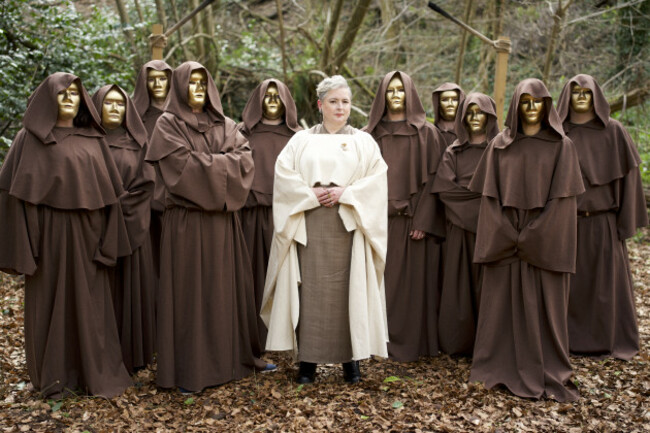
Before long, a small number of players are secretly selected to be traitors.
The remaining players who aren’t selected as traitors become faithfuls.
Each night, the traitors get to have a private meeting to choose a faithful to murder, which eliminates that faithful from the game.
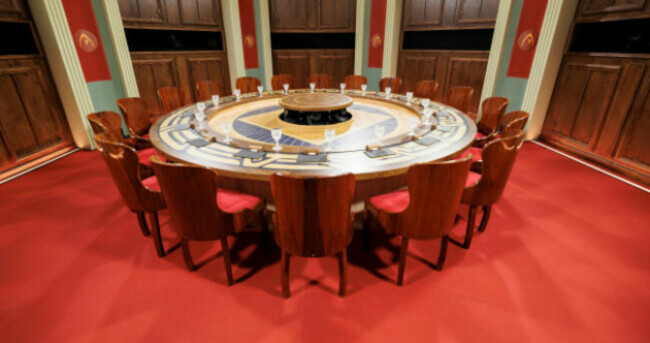
The following evening, all the players meet together at the roundtable to vote for a player to banish.
At the roundtables, the faithfuls’ aim is to figure out which players could be a traitor and vote them out of the game. The traitors, meanwhile, try to keep their identity a secret – which usually means either diverting blame to an innocent faithful, or throwing another traitor under the bus.
The aim is to avoid being murdered or banished and stay in the game until the end for a chance of winning some money.
There’s one cardinal rule for traitors that they swear to follow when they take the traitors’ oath: they must not reveal to any faithfuls that they are a traitor, nor can they divulge the identity of their fellow traitors.
However, that doesn’t preclude them from accusing another traitor of being a traitor under the guise of they themselves being a faithful. They’re allowed to (and frequently do) pretend like they’re just another faithful and point the finger at a traitor in the process.
They just can’t say, “Hey, I’m a traitor, and I know who else is too”, essentially.
If the faithfuls successfully root out a traitor, the remaining traitor(s) have the chance to recruit a faithful to their cause, turning them into a traitor.
If there are still at least two traitors in the game, they can choose to send an anonymous letter to a faithful to invite them to become a traitor (or choose to remain a twosome). An invited faithful can decide whether they want to stay a faithful or to don the cloak and join the ranks of the traitors.
If there is only one traitor left in the game, that traitor cannot opt to go it alone – they must try to recruit another. This time, the chosen player does not have the option of remaining a faithful – they must either become a traitor or leave the game.
The question that leaves a lot of people with is – well, if knocking out a traitor just leads to someone else replacing them, why bother trying to catch them before the final at all?
It’s a fair question. There are two reasons:
But yes, for the remaining faithfuls, knocking out a traitor does come with the risk that you’re getting rid of a ‘known’ traitor only to replace them with an ‘unknown’ one.
RTÉ has said the maximum prize pot will be €50,000 again this year (a figure that some fans feel is a bit below market rate, given the BBC’s version in the UK offers a potential £120,000 (€140,000).
The pot isn’t guaranteed to hit the 50k mark.
Each day during the competition, players take part in a series of missions. If they complete them successfully, they slowly add money to the pot. Last year, it reached €42,900.
By the final episode, there are typically around five players left in the game vying for the prize pot.
If only faithfuls are left at the very end after the final banishment voting takes place, then those faithfuls split the prize evenly among them.
But if one of the players is a traitor, that traitor seizes the whole prize pot for themselves.
If there are two traitors left, the traitors split the prize pot between them.
What about if there are three traitors left? Well, it’s unusual, and hard to say exactly what would happen in the Irish version, but there is an international example of that occurring.
In that situation, another version of the show format handled it by playing the ‘traitors’ dilemma’, where each traitor must vote whether they want to share the money between the traitors or steal it for themselves. Be the only one to vote to share, and you’d go home with nothing while the two stealers get to split it – but if all three chose to steal, none of them would get any of the money.
It’s all to play for as season two of The Traitors Ireland kicks off at 9.30pm on RTÉ.

To embed this post, copy the code below on your site













have your say