Sign in. It’s quick, free and it’s up to you.
An account is an optional way to support the work we do. Find out more.
Sign in. It’s quick, free and it’s up to you.
An account is an optional way to support the work we do. Find out more.
LAST UPDATE | 11 Feb 2023
INTERNATIONAL AID IS trickling into parts of Turkey and Syria, as rescuers toil to pull children from rubble in areas devastated by a massive earthquake that has killed over 25,000 people.
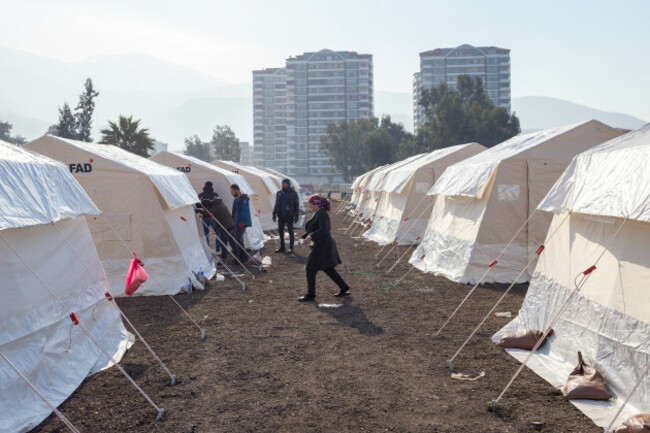
A winter freeze in the affected areas has hurt rescue efforts and compounded the suffering of millions of people, many in desperate need of aid.
At least 870,000 people urgently needed food in the two countries after the quake, which has left up to 5.3 million people homeless in Syria alone, the UN has warned.
And humanitarian groups have said that survivors in the earthquake zone will require help for months, or even years, after the rescue and recovery missions end.
Aftershocks following the 7.8-magnitude tremor have added to the death toll and further upended the lives of survivors.
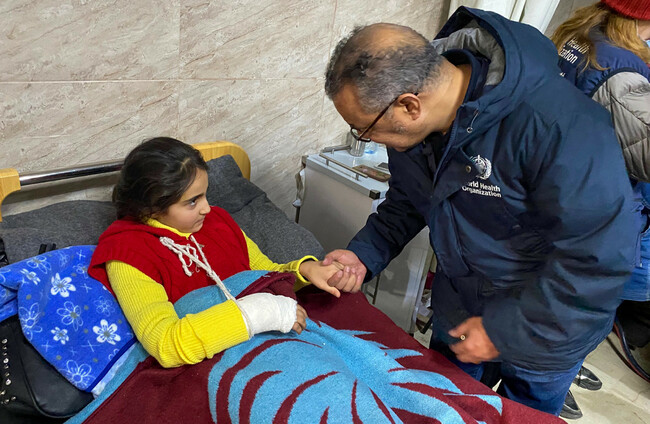
World Health Organisation chief Tedros Adhanom Ghebreyesus arrived this morning in Aleppo, which was devastated by the quake.
Arrived in Aleppo, #Syria, with additional health supplies to help people across the country.
— Tedros Adhanom Ghebreyesus (@DrTedros) February 11, 2023
I’m heartbroken to see the conditions survivors are facing - freezing weather and extremely limited access to shelter, food, water, heat and medical care. pic.twitter.com/2xZ97Azs7i
Upon his arrival, Tedros said he was accompanying “emergency medical supplies of around 37 metric tonnes”.
He told reporters that the WHO would continue to provide emergency medical services and bring in more emergency supplies necessary for “trauma management”.
He expressed concern over the after-effects of the earthquake, especially the disruption of services.
“People are exposed to diarrhoeal diseases … and other health problems especially mental health problems,” he said.
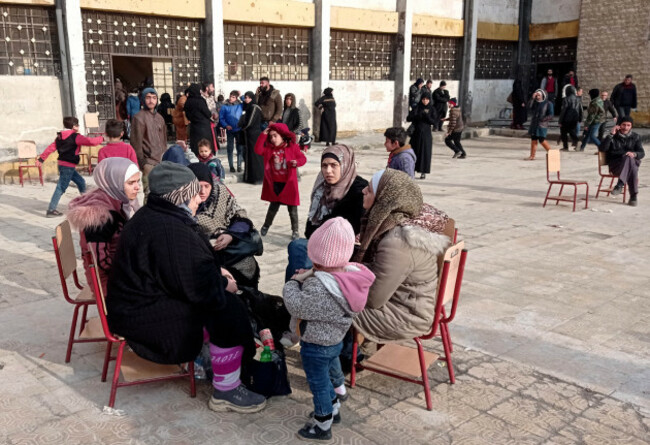
The UN World Food Programme appealed for $77 million to provide food rations to at least 590,000 newly displaced people in Turkey and 284,000 in Syria.
Of those, 545,000 were internally displaced people and 45,000 were refugees, it said.
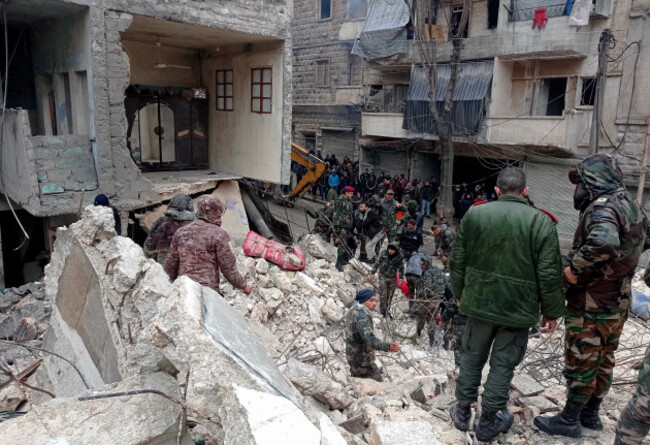
Since Monday’s earthquake, rescuers and volunteers have been scrambling with little means to find survivors under concrete debris of collapsed buildings.
“When I see the destroyed buildings, the bodies, it’s not that I can’t see where I will be in two or three years – I can’t imagine where I’ll be tomorrow,” said Fidan Turan, a pensioner in Turkey’s southern city of Antakya, her eyes filling with tears.
“We’ve lost 60 of our extended family members,” she said. “Sixty! What can I say? It’s God’s will.”
Rescuers pulled a two-month-old baby and an elderly woman from the rubble today.
In the city of Antakya, a two-month-old baby was found alive 128 hours after the quake, state news agency Anadolu reported.
A two-year-old girl, a six-month pregnant woman, plus a four-year-old and her father, were among those rescued five days after the quake, Turkish media reported.
A border crossing between Armenia and Turkey opened for the first time in 35 years today to allow humanitarian aid through.
Five trucks with aid including food and water arrived in Turkey from the Alican border crossing, tweeted Serdar Kilic, Turkey’s special envoy for dialogue with Armenia.
State news agency Anadolu said this was the first time the crossing had opened since 1988, when Turkey sent aid to Armenia after the country was hit by an earthquake that killed between 25,000 to 30,000.
The two countries have never established formal diplomatic relations and their shared border has been closed since the 1990s.
Their relationship is strained by World War I-era mass killings of Armenians in the Ottoman Empire, atrocities Yerevan insists amount to a genocide.
The UN rights office yesterday urged all actors in the affected area – where Kurdish militants and Syrian rebels operate – to allow humanitarian access.
Humanitarian access to northern Syria is complicated by the civil war, while sending funds can be blocked or slowed by US sanctions, despite an exemption for relief efforts. The political environment in Turkey also poses challenges.
The first shipment of aid crossed from Turkey into Syria’s rebel-held enclave on Friday.
The outlawed Kurdistan Workers’ Party, which is considered a terrorist group by Ankara and its Western allies, announced a temporary halt in fighting to ease recovery work.
In rebel-held northwestern Syria, about four million people rely on humanitarian relief but there have been no aid deliveries from government-controlled areas in three weeks.
Doctors Without Borders (MSF) had 500 staff, two of whom were among those killed, stationed in northern Syria, where they have helped meet medical needs.
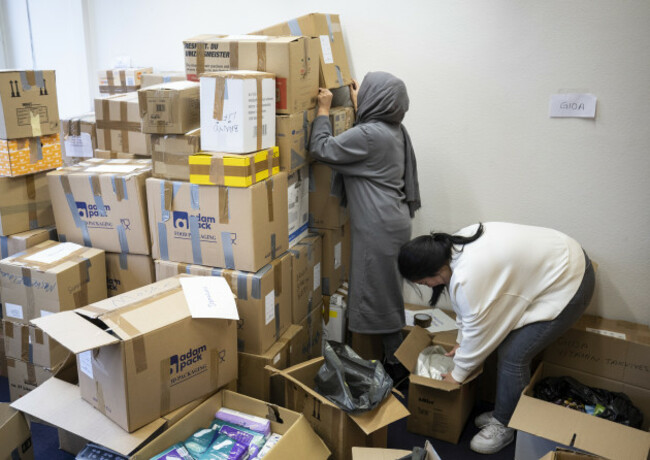
The Syrian government said it had approved the delivery of humanitarian assistance to quake-hit areas outside its control.
“We were able to do a massive distribution of food and blankets to more than 500 families,” said Avril Benoit, executive director for MSF USA. Her organisation keeps emergency supplies on hand in the case of major disasters.
“There’s a long tail to an emergency like this, both for the injured from the earthquake, but also for chronic disease management, making sure they have access to their medications,” Benoit said.
People will die without access to medications to control chronic illnesses such as hypertension and diabetes, she said, adding that the earthquake will also take a mental toll.
Only two aid convoys have crossed the border this week from Turkey, where authorities are engaged in an even bigger quake relief operation of their own.
A decade of civil war and Syrian-Russian aerial bombardment had already destroyed hospitals and created shortages of electricity and water.
UN Secretary-General Antonio Guterres urged the Security Council to authorise the opening of new cross-border humanitarian aid points between Turkey and Syria. The council will meet to discuss Syria, possibly early next week.
Five days of grief and anguish have been slowly building into rage at the poor quality of buildings as well as the Turkish government’s response to the country’s most dire disaster in nearly a century.
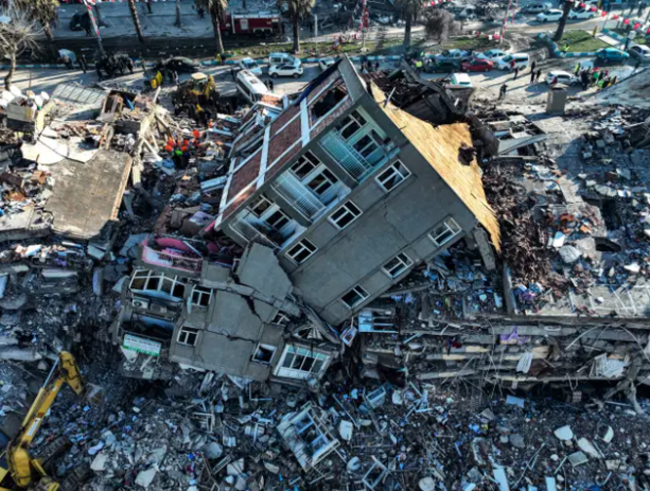
Officials in the country say 12,141 buildings were either destroyed or seriously damaged in the earthquake.
“The floors are piling on top of each other,” said Mustafa Erdik, a professor at Istanbul-based Bogazici University, which means the chances of being found alive are slim.
Police yesterday detained a contractor trying to flee the country after his building collapsed in the catastrophic quake.
The tremor was the most powerful and deadliest since 33,000 people died in a 7.8-magnitude tremor in 1939.
Anger has mounted over the Turkish government’s handling of the disaster, changing the tenor of the country’s presidential election campaign ahead of polls due in June.
Turkish President Recep Tayyip Erdogan conceded for the first time that his government was not able to reach and help the victims “as quickly as we had desired”.
a href=“http://news.afp.com/”>© AFP 2023

To embed this post, copy the code below on your site















have your say