Sign in. It’s quick, free and it’s up to you.
An account is an optional way to support the work we do. Find out more.
Sign in. It’s quick, free and it’s up to you.
An account is an optional way to support the work we do. Find out more.
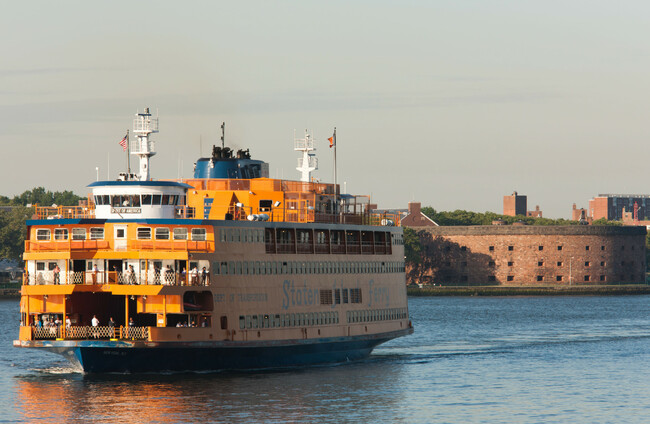
COULD WATER FERRIES be the one solution to Dublin’s congestion problem?
One Fine Gael councillor thinks it could just work.
Dublin is the third most congested city, the sixth slowest city in the world for traffic and yesterday’s chaotic scenes on the M50 due to flooding was a perfect example of the commuter hell people face on daily basis.
Dún Laoghaire-Rathdown County Councillor John Kennedy, backed by a minister of state, believes it is time to start thinking outside the box when it comes to alternative modes of transport for the public.
Speaking to The Journal, he said a ferry service operating from Dun Laoghaire to Dublin Port could alleviate traffic congestion.
The population is due to rise significantly in the years to come and it is vital to get people off the roads, he said.
The journey by ferry between the two ports takes just five minutes, he explained, stating this could be a game-changer for commuters.
Current regulations mean the ferries must slow as they enter into the port, resulting in the overall trip taking about 20 minutes. However, he said regulations and technology could be used to reduce the journey time, particularly if high-speed catamaran vessels are used.
Dun Laoghaire port formerly operated a ferry service, so the infrastructure is there, said Kennedy.
While he said water ferries are not going to solve the whole problem, it is just one possible solution.
“There’s very serious congestion at the moment. It’s going to continue… I think a lot of the solutions have been driven towards cycling measures, but not everyone is going to move to cycling,” he argued.
“And there’s no congestion, because it’s by sea, and you know, there’s actually a lot of infrastructure foundation going to waste, because Dun Laoghaire was used for ferries 10 years ago anyway. It would need to be updated and a lot of installation, but nowhere near the level of investment for Metrolink and that’s kind of achieving a similar goal,” said the councillor.
He said the main concerns raised initially with him was the prospect of bad weather, but Kennedy said there are modern ferries that can deal with that.
“And there’ll be very bad days when it couldn’t operate, maybe a few times a year. But the DART is there as well, so the DART can also break down, so you have a very complimentary arrangement,” he added.
“People are really interested with the idea,” said the councillor, who said people have seen it work in New York and other places they have visited.
Kennedy highlighted the Staten Island ferry as an example, stating it takes 50,000 people a day. He said the ferry service was rolled out as the motorway from Staten Island to New York became too congested.
“People have seen it work elsewhere. And people just think of it as common sense, they see it work in other countries… The way Dublin is headed with that sort of population, you have to think of radical proposals like that,” he said, stating that the road capacity is not there to handle to the rising population.
Kennedy has put down a formal proposal before the council, with the matter expected to be discussed in the coming weeks.
The idea is backed by his Fine Gael colleague and constituency TD, Minister of State Neale Richmond. He told The Journal:
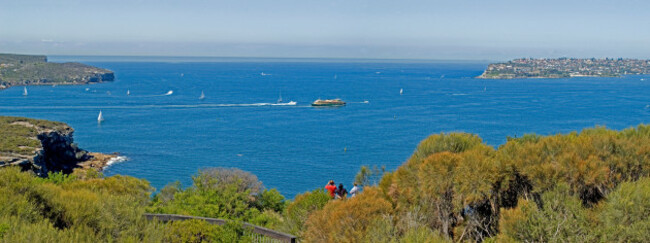
Be it the Manley ferry in Sydney, the Staten Island ferry in New York or Thames river taxis in London; commuting by water is a common approach used around the world.
“There is great merit in looking at a rapid ferry being used in Dublin. It could be a public tender to a private operator, all year round or just seasonal.
“It’s no secret that we have a congestion issue in Dublin. We have to be prepared to think out of the box and look at solutions that can be implemented quickly.
“Introducing a water ferry from Dún Laoghaire into Dublin Port could be a quick and affordable option, even if it needed to be part subsidised.”

To embed this post, copy the code below on your site















have your say