Sign in. It’s quick, free and it’s up to you.
An account is an optional way to support the work we do. Find out more.
Sign in. It’s quick, free and it’s up to you.
An account is an optional way to support the work we do. Find out more.
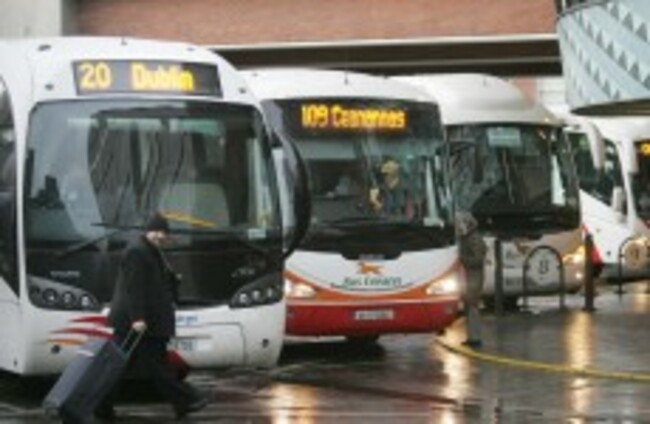
SIPTU IS TO ballot for strike action among its over 900 members who work at Bus Éireann after management at the travel firm committed to implementing a number of changes to pay and conditions.
Changes to overtime and premium payments along with longer working hours for office staff and reductions in annual leave will mean that some staff will work longer for less pay as Bus Éireann targets €20 million in savings including €9 million from changes to pay and conditions.
The company said today it was implementing recommendations from the Labour Court and had informed unions representing workers that these changes would come into effect from 12 May.
Responding this afternoon, SIPTU’s Willie Noone said he was now in the process of sending out ballots to members for strike action: “The company will say that they are protecting core pay but people are working extra hours for nothing.
“They’re telling people that their basic pay is the same but they cut pay for shift work. Strictly speaking those working Monday to Friday may not get a pay cut but people who work Sundays and shift work will be down €80 or €90 a week and they simply cannot afford it.”
He told TheJournal.ie that a ballot of members would take around a fortnight to complete and would be for strike action, adding: “It’s a ballot for strike action, if you ballot for industrial action you have the option of going out on strike.
“But if you ballot for strike action, we’re going out on strike. If they (SIPTU members) can’t afford to go to work they might as well be on strike,” Noone added.
Announcing the cost cutting measures today, a spokesperson for Bus Éireann said the measures were designed to “protection the future of the company” adding: “We also have no other choice but to remind employees and trade unions once again, that unlike the wider public sector, there is no safety net for Bus Éireann; if we do not reduce our cost base, job losses may be unavoidable.”
The changes, as recommended by the Labour Court, that will come into effect next month include:
Bus Éireann estimates these changes will save €5 million annually and pointed out that it is now facing potential annual losses of more than €11 million, citing the economic environment, rising fuel costs, and a reduction in State funding.

To embed this post, copy the code below on your site














have your say