Sign in. It’s quick, free and it’s up to you.
An account is an optional way to support the work we do. Find out more.
Sign in. It’s quick, free and it’s up to you.
An account is an optional way to support the work we do. Find out more.
Updated 13.20pm
GREEK BANKS WILL reopen on Monday after a three-week closure with withdrawal limits being relaxed.
However capital controls remain in place, a government decree said.
The decree sets a weekly withdrawal limit at €420, with the daily limit remaining at €60.
The former Finance Minister Yanis Varoufakis has said Greece was subject to a programme that will “go down in history as the greatest disaster of macroeconomic management ever”.
In an interview with the BBC he said he believes the Greek programme hammered out this week is “going to fail”.
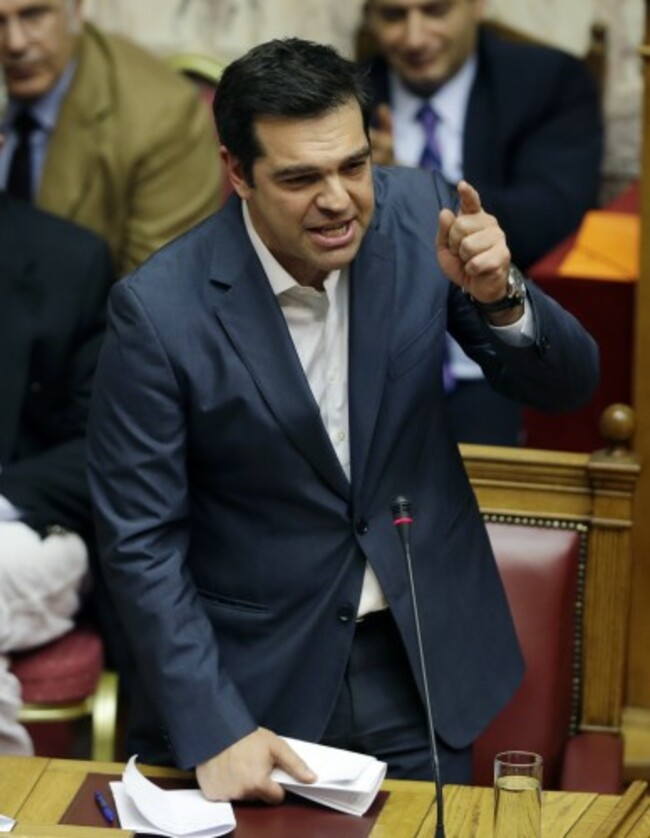
With his signature on the pact hardly dry, Greek Prime Minister Alexis Tsipras called it an accord he did “not believe in,” but said that he had accepted it to avoid a potentially catastrophic default and exit from the euro area.
“I had specific choices before me: One was to accept a deal I disagree with on many points, another was a disorderly default,” Tsipras told the Greek parliament.
“I don’t know if we did the right thing. I do know we did something we felt we had no choice over,” said Finance Minister Euclid Tsakalotos.

The revamped Greek government were sworn in today in an effort to enforce a third bailout accompanied by tough fiscal reforms opposed by a sizeable section of the ruling Syriza party.
Tsipras’ new spokeswoman Olga Gerovassili on Saturday repeated that the leftist government would attempt to counterbalance the “bad deal” with “compensating” measures to support the poor and the middle class.
Axing ministers
Yesterday, the Greek Prime Minister Tsipras axed ministers who had rebelled over draconian bailout terms, putting his house in order before a fresh round of tough negotiations with creditors including EU hawk Germany, which greenlit the deal.
The most prominent victim was energy minister Panagiotis Lafazanis, the head of a hardline faction within Tsipras’s party that has demanded the country leave the eurozone. His ally, the deputy minister of defence, was also axed.
The appointment of a TV soap opera comedian as junior labour minister has raised eyebrows but the new appointee, Pavlos Haikalis, insisted he had relevant expertise.
The reshuffle came just hours after the EU approved a short-term €7.2 billion loan to Greece, allowing it to make huge payments as early as next week to its creditors while a new eurozone debt bailout is being hammered out.
It also followed a crucial green light from German lawmakers for Chancellor Angela Merkel to begin negotiations on a new €86 billion bailout package.
The loan, to be given through the EFSM rescue fund, will allow Greece to make a critical payment of €4.2 billion due next Monday to the European Central Bank needed to keep the country in the euro.
However, while the third rescue plan for Greece has not even been finalised, already the parties at the center of the deal are raising doubts over its viability.
The key players — Athens, Berlin and the International Monetary Fund — have all voiced criticisms of the conditions that have been sketched out so far.
Their skepticism, which comes from more than just a circle of economists, will have to be addressed if the detailed negotiations to begin soon on Greece’s third bailout operation in six years are to be a success.
Merkel, who like Tsipras, faced rebels in her own party ranks, told German lawmakers that the deal with Athens was the last chance to prevent “chaos” in the crisis-hit country.
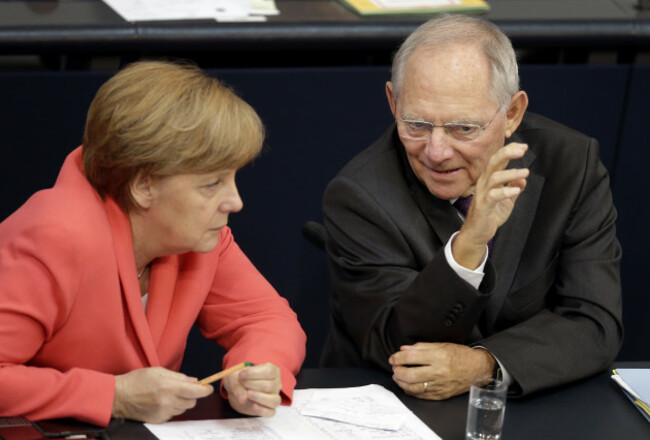
In the end she won broad approval from the Bundestag, where her “grand coalition” commands an overwhelming majority, with 439 voting in favour, 119 against with 40 abstentions.
Addressing the chamber before the vote, Merkel argued that “we would be grossly negligent, indeed acting irresponsibly, if we did not at least try this path”.
It was Merkel – leader of the EU’s biggest economy and effective bailout paymaster – who spearheaded last weekend’s marathon Brussels talks that brought Greece back from the brink of crashing out of the euro.
She said the alternative would have meant “watching on as the country virtually bleeds out, people no longer getting their money, where chaos and violence could be the result”.
Equally, “bending the rules until they’re worthless” was not an option, she said, arguing that for Europe this “would mean the end of a community bound by legal rules, and we wouldn’t agree to that”.
That was why, she said, “we are making a last try in tough, tenacious discussions” to seal a third aid package, “despite all the setbacks of the past six months and despite all legitimate scepticism”.
The German ‘Yes’ vote came a day after European Central Bank chief Mario Draghi boosted a vital cash lifeline to Greece’s struggling banks with 900 million euros that will allow them to open their doors for the first time in almost three weeks on Monday.

To prevent a catastrophic “Grexit”, the parliament in Athens early yesterday adopted reforms on pensions, taxes, labour laws and state asset sales that were harsher than those Greeks had rejected in a 5 July referendum.
The about-face sparked violent street protests and speculation of early elections in Greece, where the hard-left Syriza party came to power in January polls on a mandate to reject austerity.
Merkel has been harshly criticised for forcing more austerity on Greece, using the threat of a five-year euro “time-out” that had been floated by Finance Minister Wolfgang Schaeuble.
But dissenters at home complain Merkel has been too soft, leaving German taxpayers to lend out billions they are unlikely to ever see again.
The mass-circulation Bild daily, which has long campaigned for a Grexit, demanded “politicians must show their true colours” – and 65 of Merkel’s party members indeed voted ‘No’ or abstained.
Germany is one of several EU countries whose parliaments must sign off of any debt deal for Greece, as the legislature in Austria also did yesterday.
The public mood in Germany was mixed between pro-European sentiment and anger with the Greek government. A new Forsa poll found 53% of respondents backed new talks, while 42% were against.
Schaeuble – who says he personally thinks a Grexit would be best for the country – nonetheless vowed: “We will do everything in our power to make this last attempt a success.”
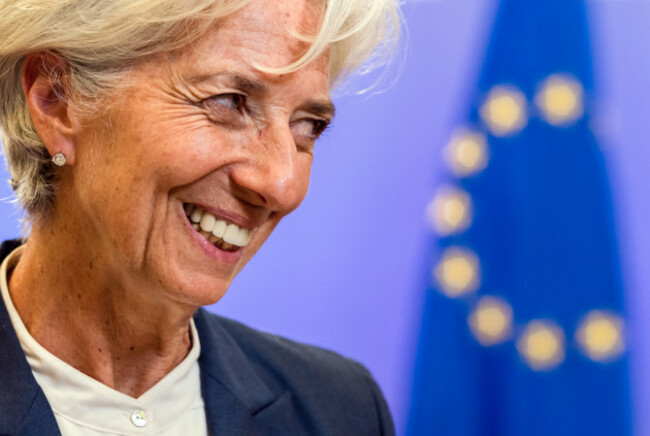
He reiterated however opposition to debt relief for Greece – something IMF chief Christine Lagarde today again stressed would be necessary.
Lagarde, asked whether the bailout plan could work without reducing the crushing debt burden of €320 billion, said “The answer is fairly categoric: ‘No.’”
German Left party leader Gregor Gysi recalled that post-World War II Germany benefited from a write-off of half its debt and said in parliament: “Mr Schaeuble, I am sorry, but you are in the process of destroying the European idea.”
© – AFP, 2015 First published 17 July 2015 21.45pm

To embed this post, copy the code below on your site








have your say