Sign in. It’s quick, free and it’s up to you.
An account is an optional way to support the work we do. Find out more.
Sign in. It’s quick, free and it’s up to you.
An account is an optional way to support the work we do. Find out more.
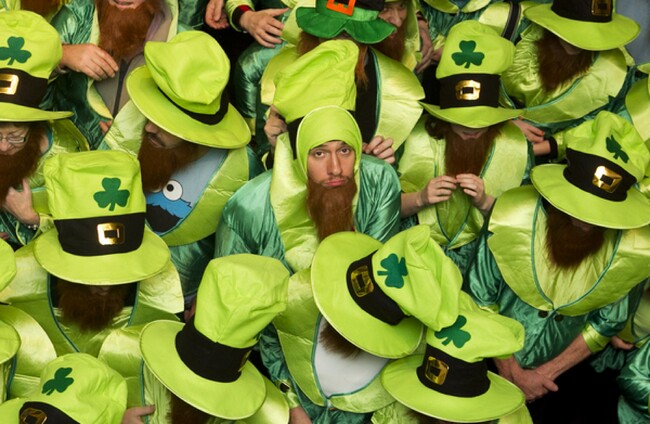

IN 1959, DISNEY released a family movie set in Ireland based on the writings of a Chicago-based British writer called Herminie Templeton Kavanagh.
She had died a quarter-century earlier so had no input into the screenplay. If she had, she may have put her foot down on the matter of her original title “Darby O’Gill and the Good People” to “Darby O’Gill and the Little People”.
The slight change is significant in that it blurred two distinct entities in Irish folklore: the “good people” (na daoine maithe) and leprechauns. The latter have since become the most popular entities from Irish culture across the world, especially in March. But how come?
Na Sidhe/Daoine Maithe
First, a note on the Sídhe, sometimes translated as fairies. These supernatural beings were regarded with terror by the Irish – think of the fear people still have of interfering with a fairy fort.
The ‘good people” was one of a number of ironic names used so as not to anger them, just as a modern-day article about any public figure with a litigious reputation might describe that individual in excessively deferential terms. The Sídhe did not have pots of gold or grant wishes.
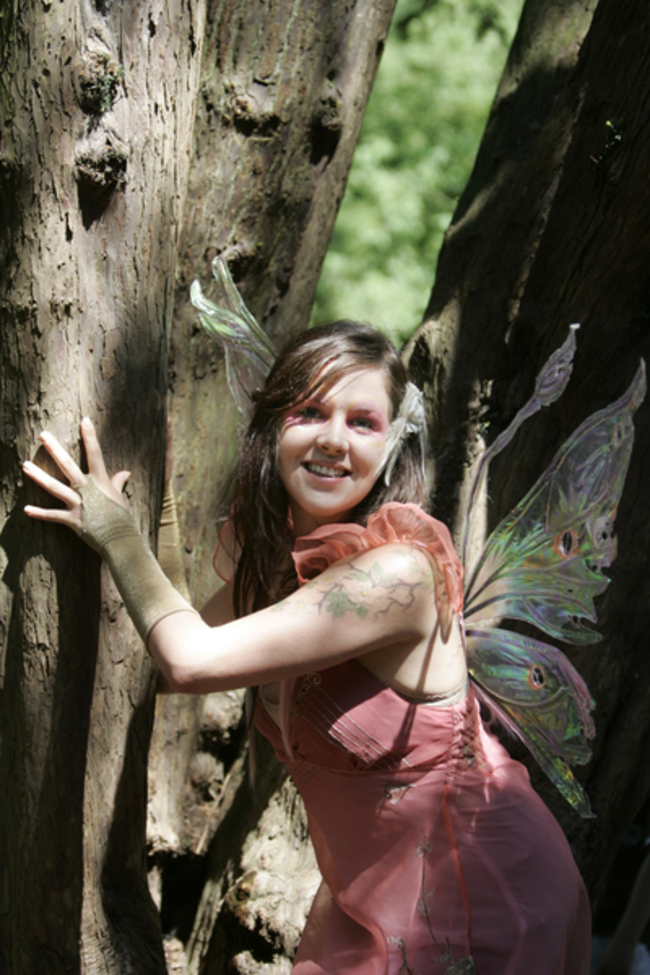
There is mention of “a supernatural, diminutive creature” called a lúchorpán in Old Irish. The source meaning of this is subject to debate, with some thinking it means “small-bodied”, others seeing it as a reference to the Irish god Lú and others, more recently, to a pagan Roman festival called Lupercalia. Perhaps the true etymology is under a rainbow somewhere, as this is the entity we now call a leprechaun.
Gréasaí – the Irish for Shoemaker
By the nineteenth century, the narrative was established that leprechauns were to be found busy at shoemaking and that a person who caught one could demand to be brought to its pot of gold. The leprechaun would agree but take every opportunity to trick its captor and escape on the way.
The significance of the leprechaun having gold hidden away but still being busy working on shoes (at a time when much of Ireland was barefoot) is not accidental.
As Terry Pratchett would later write, the footwear business shone a light on a socio-economic divide: being rich enough to pay a bit extra for better shoes was less expensive in the long run than buying cheap shoes and having to constantly replace and repair them. Leprechauns, as busy shoemakers with plenty of savings, knew that poor people were chumps.
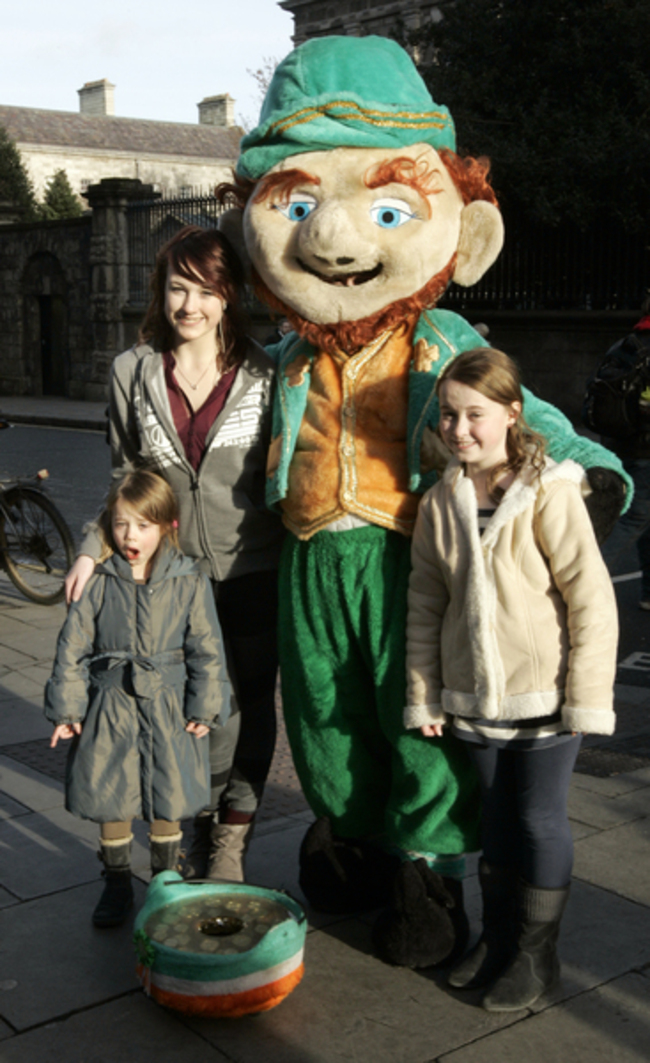
Rather than being an Irish version of a genie or a fairy, the leprechaun is a very specific allegory for the pursuit of wealth. Having the opportunity to find and catch a leprechaun- a good business idea or a foot in the door of a career – is good fortune but only the start of the work.
To actually turn that into wealth requires work, constant attention to detail and enough cop on that you don’t get tricked on your way. The pot of gold isn’t easy money, it’s the reward of a lifetime of industry and shrewdness.
Lucky Charms
The point of this allegory was lost by the 1960s when leprechauns were becoming more popular than ever. Two of the most famous leprechauns arrived in 1964: the mascot of the Minnesota-made breakfast cereal Lucky Charms, and the “fighting Irish” mascot of Nortre Dame University in Indiana.
From this time onwards, leprechauns became a symbol of the sharp difference between American perceptions of Ireland and Irish self-perception.
Finally, the Irish for a crock of gold is próca óir; ‘próca’ is also the word used for a funeral urn. Something to bear in mind before you go looking for the end of the rainbow.
To embed this post, copy the code below on your site















have your say