Sign in. It’s quick, free and it’s up to you.
An account is an optional way to support the work we do. Find out more.
Sign in. It’s quick, free and it’s up to you.
An account is an optional way to support the work we do. Find out more.
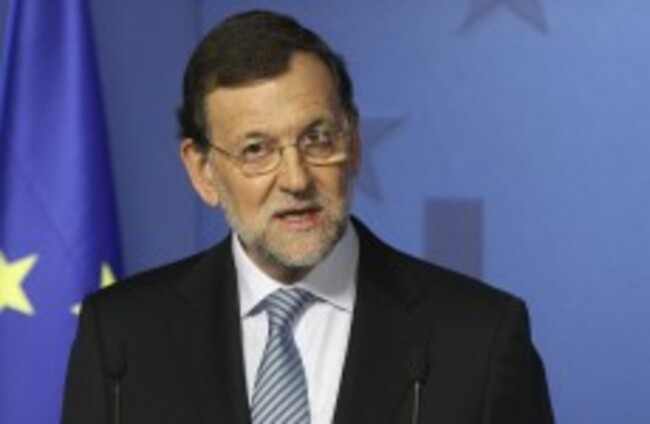
SPANISH PRIME MINISTER Mariano Rajoy’s conservatives have retained power in his home region of Galicia in regional elections but separatists made a strong showing in the Basque Country.
Rajoy was spared political humiliation after his Popular Party came out on top in Sunday’s polls in Galicia, official results showed, despite the sting of the recession and his government’s biting austerity measures.
The region is a traditional Popular Party stronghold and defeat would have undermined Rajoy as he tries to convince global markets that he can fix Spain’s finances.
Basque Country
But a second regional election in the Basque Country added to the Spanish leader’s problems with an exit poll showing a new separatist coalition had finished second behind the Basque Nationalist Party, which seeks greater autonomy for the region.
The two regional votes came at a critical time for Rajoy, who has to decide whether to seek a eurozone sovereign rescue to finance the nation’s runaway public debt — and if yes, when to do so.
Rajoy’s Popular Party captured 41 seats in the 75-seat Galician parliament, up from 38 seats in the outgoing assembly, official results showed with almost all of the votes counted. The Popular Party had been defending a tight but absolute majority in Galicia, Rajoy’s home region, which has a population of 2.8 million.
Voters apparently decided to stick with Rajoy’s party despite a jobless rate that has climbed sharply to 21 percent, approaching the national rate of 25 percent.
The economic pain and cuts in education and health are fuelling discontent across the 17 powerful regions. Those sentiments are especially raw in the Basque Country, holding its first regional vote since armed separatists ETA renounced the use of violence last year.
The Basque Nationalist Party won 27 seats in the 75-seat Basque parliament, followed by the separatist Euskal Herria Bildu coalition with 21 seats, meaning around two-thirds of the assembly will be made up of nationalists.
Bildu popularity
The Bildu alliance appears to have filled the space left by the ETA-linked Batasuna party, outlawed in 2003, and the big question is whether the Basque Nationalist Party will seek an alliance with Bildu or will turn elsewhere.
Political analysts believe a Basque regional government that includes Bildu will bring questions of Basque independence to the forefront of the political debate.
Rajoy also faces a surge in support for separatism in the wealthy northeastern region of Catalonia, which votes in regional elections on November 25. Catalan president Artur Mas has promised to hold a referendum on “self-determination” if his Convergence and Union party is re-elected.
ETA is blamed for 829 deaths during its four-decade armed campaign for an independent Basque homeland in parts of southern France and in the northern Spanish region.
Although the Basque unemployment rate is well below the national average, it remains high at 14.5 percent, and central government demands for spending cuts have fed resentment against Madrid.

To embed this post, copy the code below on your site












have your say