Sign in. It’s quick, free and it’s up to you.
An account is an optional way to support the work we do. Find out more.
Sign in. It’s quick, free and it’s up to you.
An account is an optional way to support the work we do. Find out more.

THE PREMIER OF the Australian state of Victoria has announced plans to enshrine working from home in law, saying it should be “a right, not a request”.
Under Jacinta Allan’s plan, workers would be entitled to work from home at least two days per week, if the job allows.
“We’re doing that because we know what the evidence tells us – workers are more productive, it saves time for families, it saves money for families,” Allan said, launching the proposed policy at the Australian Labor Party’s state conference.
“This change will mean that any worker who can reasonably do their job from home has the right to do so for at least two days a week.”
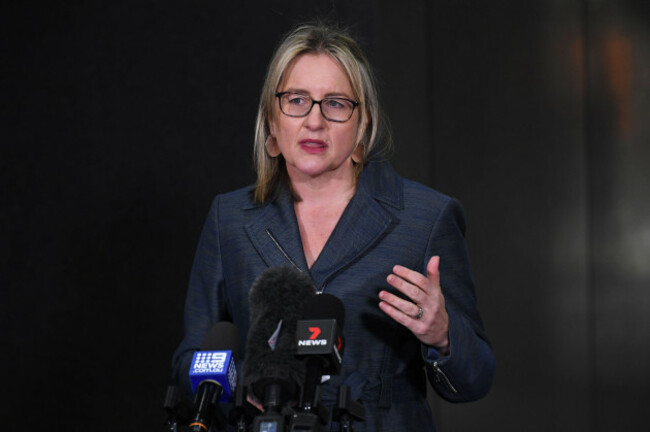
Allan said the policy would now go out for consultation with workers, employers and unions.
She said it was important to “get the details of this important change right”.
Allan said the move could save the average worker $110 a week, cut congestion on roads, and keep more women in the workforce.
During national elections in May, the opposition Liberal-National coalition’s plan to eliminate remote work was partly blamed for its poor performance.
Victoria’s opposition leader, Brad Battin, said work from home arrangements had been valuable, and that he supported measures that promote better work-life balance.
The measure is likely to come before the state parliament next year.
In Ireland, some large employers have shown resistance to the continuation of working from home years after the pandemic has subsided.
Last month, AIB staffwere told to return to their office for three days per week as the bank seeks to phase out its full-hybrid working practice.
The Financial Services’ Union has labelled the change “regressive and without justification”.
AIB told The Journal that it believes employees benefit from spending time with their team and colleagues, as in-person workdays leads to “greater collaboration, connection and innovation”.
It is the second bank to change its hybrid working models in recent weeks, after Bank of Ireland has requested its employees to return to the office for eight days each month.

To embed this post, copy the code below on your site
















have your say