Sign in. It’s quick, free and it’s up to you.
An account is an optional way to support the work we do. Find out more.
Sign in. It’s quick, free and it’s up to you.
An account is an optional way to support the work we do. Find out more.
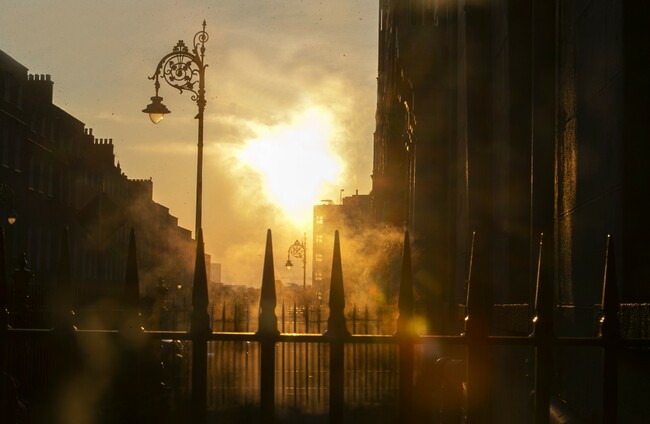
REMEMBER: THE CLOCKS have gone back by one hour.
Daylight Savings Time’s ‘winter time’ officially began at 1am today, when the clocks went back by an hour.
Smartphones should have automatically taken on the change, but mechanical clocks and watches will need to be put back by one hour.
The timezone is now GMT, instead of GMT+1
‘Winter time’ ends at 1am on Sunday 28 March 2021 – when the clocks will be put forward again and we’ll go back into GMT+1.
Time changes a thing of the past?
There has been some debate in the EU about whether to scrap Daylight Savings Time.
In March last year, the European Parliament voted to abolish the seasonal time change, which is based on trying to take advantage of the most available daylight as possible.
Here are the two options are:
Ireland and other member states had been given a period of 12 months to decide if they’ll stay on summertime or not. That means that when we change our clocks in March next year, it could be for the last time.
There is a very obvious problem if Ireland does abolish Daylight Savings Time – what happens in Northern Ireland?
Because the UK is no longer in the EU, if Ireland chooses to adopt the European Parliament’s resolution it could result in different time zones on the island of Ireland.
Leo Varadkar said during his time as Taoiseach that he wouldn’t want Ireland and Northern Ireland to be in different time zones, which may be enough to ensure Ireland doesn’t scrap the biannual time changes.

To embed this post, copy the code below on your site

















have your say