Sign in. It’s quick, free and it’s up to you.
An account is an optional way to support the work we do. Find out more.
Sign in. It’s quick, free and it’s up to you.
An account is an optional way to support the work we do. Find out more.

In this new series, journalist and spoken word artist Cormac Fitzgerald travels to a different town or suburb each week to cover the gigs and cultural experiences you rarely see covered by Irish media outlets.
This week’s subject: A bean festival in Ballybunion.
****
WHAT IS THE first thing that comes to mind when you think of Ballybunion?
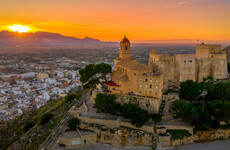
The word might conjure up memories of summers by the sea; of beaches and surfing the waves, cliff walks, caravans, hotels, packed pubs, ballrooms, nightclubs and the hurdy gurdys. You might think of 99s and fish and chips, maybe periwinkles and seaweed baths and long, beautiful sunsets.
Or, maybe you’ve never been to the small north Kerry town, beloved among generations of holidaymakers from Kerry, Limerick and beyond. But you might know its famous golf club, or the odd statue of Bill Clinton playing golf that, for some reason, stands outside the local garda station.
Or, failing all of this, you may have heard of the Gay Bachelor Festival (later, just the Bachelor Festival, after the organisers realised that “gay” no longer simply meant “happy and carefree”) which ran from 1970 into the 1990s – a kind of raucous male Rose of Tralee that was hugely popular back in the day.
Whatever you think of, anyway, the chances are that you don’t think of beans.
Well, that might be about to change after the second Ballybunion Bean Festival was held last weekend just outside the town.
In fact, it was the iconic Bachelor Festival that first sparked the idea for the bean festival in local artist, farmer and community activist Lisa Fingelton and her wife Rena Blake.
“So it was kind of a joke at first,” Fingleton told me.
“The truth is that [Rena] had been telling me about this Gay Bachelor Festival in Ballybunion and I was amazed by it.
“We had been talking about the nostalgia for Ballybunion and how it was, and then I was talking about moving that nostalgia into this climate space.
So, there was always something about looking back to the past as well as looking to the future, thinking could you recreate that sense of the pride of the Gay Bachelor Festival in Ballybunion and the buzz around town.
In the peculiar logic of an artist’s brain, the Bachelor festival brought to mind baked beans, the connection was made and the idea for the bean festival was born.
Serious but fun is a great way describe the festival, which took place over two days on Fingleton and Blake’s organic vegetable farm, The Barna Way, which sits on 16 acres of mixed use land just outside of the town. Blake’s family have worked the same land for many generations. Some events also held in the town itself.
Ballybunion doesn’t have a historic connection to beans, but Fingleton, Blake and the rest of the local “bean team” decided that the nutrient-dense, protein rich food that has been eaten by humans for millennia, was a poster child to get people talking about issues related to climate change, biodiversity loss and, most importantly, food and how it is grown.
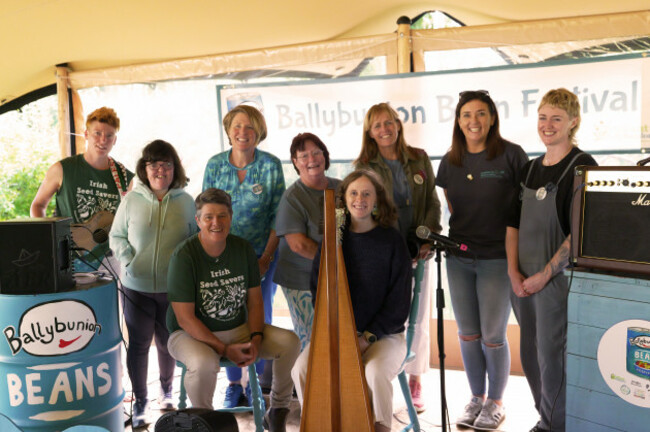
“We have an amazing core group of people working here, and it’s all about food,” said Blake.
Anything that deals with food is positive and that can bring people in, but has to create a good energy.
Many varieties of bean are easy to grow and use many multiples less land, water and energy than conventional livestock and animal agriculture, which currently dominates Irish food production.
The over-reliance on cattle farming in Ireland is one of the main drivers of our climate altering greenhouse gas emissions, as well as a leading cause of pollution of rivers and waterways and the loss of habitats for plants and animals.
Beans also fix nitrogen as they grow, enriching the soil in which they are planted. And, as someone who eats a lot of beans myself, I have to say: they taste delicious! Bake ‘em, fry ‘em, put ‘em in a stew.
On the menu at the festival were green beans, broad (fava) beans, butter beans and peas, as well as a huge range of other delicious locally grown fruit and vegetables.
There were pea falafels and hummus, bean stew, bean snacks, tempeh (soy beans), and delicious grains cooked up on the day by chef duo the Gourmet Offensive.
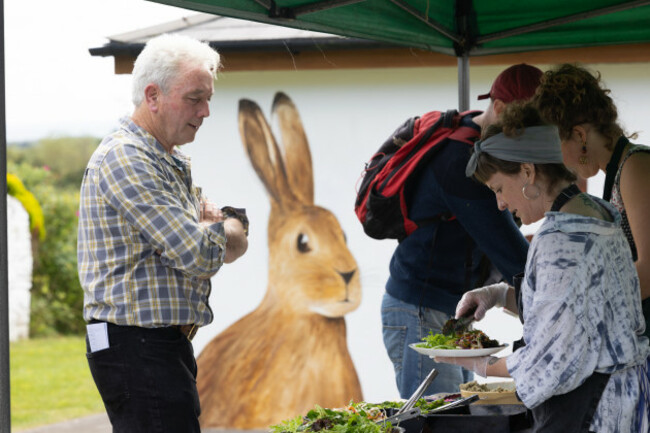
The bean festival grew out of the Brilliant Ballybunion project, which was funded by Creative Ireland through the Creative Climate Fund, and which sought to engage the local community in growing and increasing awareness of food and biodiversity.
That project involved a number of initiatives, including giving bean seeds to people to grow at home, bringing participants to the Barna Way to learn about growing on the farm, bird surveys, concerts, dolphin watching groups, and more. All of it designed to get people interacting with their local environment and the world around them.
A sense of fun, action and positivity was also key to the project, to try to move away from the hopelessness and anxiety that leads to inertia when people think about the vast climate and biodiversity crises. This sense of fun extended to the bean festival.
“Obviously these anxieties can be overwhelming and it can feel, I suppose, where do we start? How do we begin?” Dr Lily Toomey, a local food historian and chef, asked the crowd in her opening address.
And something I love about the Barna Way and about the group of us down here is that we try to start from a place of joy.
That sense of joy, of lightheartedness, was present throughout the day, balanced by more serious, in-depth discussions.
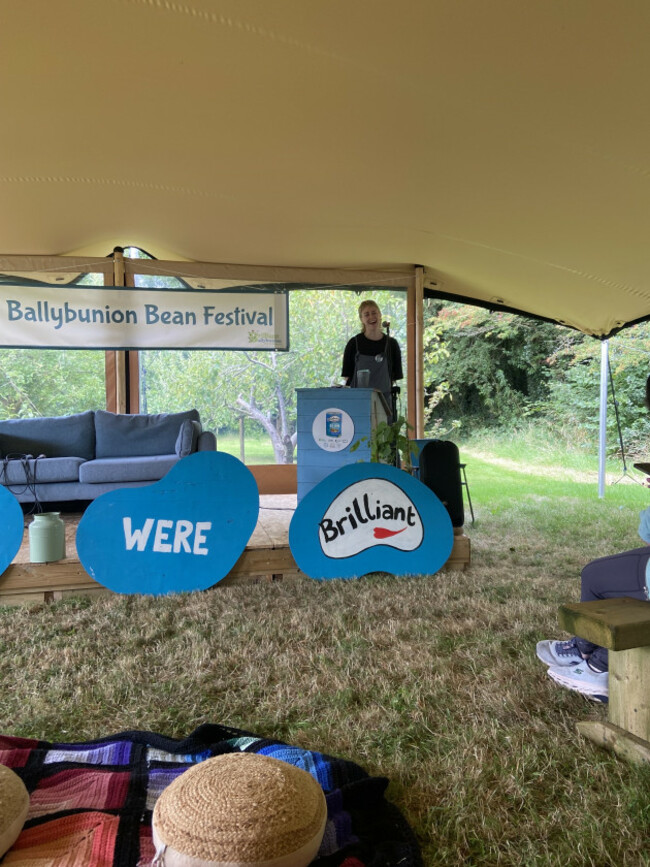
Among a packed schedule of delicious food, nature walks, workshops, rousing music, theatre and tins of bean puns, were panel discussions with organic growers and farmers, policy experts and others, all focused on land use, nature, how to tackle climate change and biodiversity loss and, of course, simply beans themselves.
It was like being at a music festival where instead of the main act being a beloved band or singer, it was a highly versatile, protein-rich legume.
“Does everybody love beans?” Toomey asked the crowd during the opening address, to whoops and cheers.
I hope you do guys, because you’re in for a day!
Of course, under-girding that sense of playfulness was the deep concern for the future of Ireland and the world that had brought all of these people together.
“The problem is that we have to make the change. Europe’s on fire and if it’s not on fire it’s flooded,” Ian McGrigor of Gortbrack Organic Farm told me, after he had won this year’s “Green Bean Award”.
“And the gloves have to come off. And the fact is that the Irish farming system – the farmers have been pushed and bribed to do this – is fundamentally one of the major causes of climate change.
And I don’t knock farmers, I think they should grant aided to do the right thing not grant aided to do the wrong thing.
Theresa Emulu from the Tralee International Resource Centre (TIRC) was also there on the day. Emulu is originally from Nigeria but has lived in Tralee, Co Kerry since 2003. In her job she works to support people who have newly arrived in Ireland, including those living in IPAS or Direct Provision centres.
For Emulu, weekends like the bean festival can help to bridge divides in communities and bring people together.
“It’s about looking at where people come from,” she told me.
“When people come from different countries, like for us from Africa, beans would have been one of our main foods… a lot of protein would have come from beans.
We would have been big into using beans and different things. So the importance of beans in our environment and our life can help to bring the two cultures together, if that makes sense.
Saturday at the Ballybunion Bean Festival was an inspiring place to be(an); a lovely mixture of talks and entertainment, walks around the farm, food, workshops, and great weather.
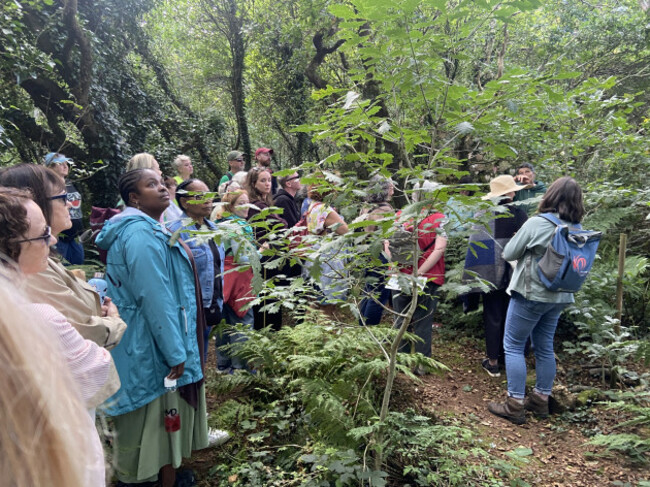
Picking up on what Theresa Emulu said, the artist Jennie Moran (aka Luncheonette) invited people to take part in reading of her play, Threshold, which dealt with the idea of being a host and welcoming people into a space, no matter how hard that may be.
Gráinne Toomey, another of the organisers who has lived in Ballybunion her whole life, said the festival was about trying to capture some of that old Ballybunion magic, going “back to the old ways of there’s nothing better than fresh air, walking the beach, chatting with friends, having a few drinks at night if you want to”.
It doesn’t have to cost you a fortune, it doesn’t have to sacrifice nature.
At the end of the long day, as I leaned against the wall of a shed and listened to harpist Niamh O’Brien and local musician Sailyhmn playing some beautiful tunes on the stage, I thought about the words of one of the day’s most powerful speakers, organic farmer Thomas O’Connor.
Among impassioned calls for action and for people to take control of their food sovereignty, O’Connor said:
The real true power of humanity is that we manifest the reality around us by engaging in it.
That seemed to be what was happening here: the manifestation of a bean festival, and all of the knowledge and inspiration that comes with it, out of the efforts of a small seaside community. It is a simple road map for dealing with hopelessness: get out and get active.
“The thing that keeps popping into my head is how do we bring to culture back into agriculture,” Fingleton said.
“How do we bring back the dancing, the art, the singing and the poetry back?”
How can you bring humanity and community back into food production, when society has become so alienated from the land and what grows on it?
It’s a complex question with no easy answers.
But a Ballybunion Bean Festival is a good place to start.
Cormac will be back next week with another exploration of how Ireland spends its spare time (in ways that might surprise you).

To embed this post, copy the code below on your site







have your say