Sign in. It’s quick, free and it’s up to you.
An account is an optional way to support the work we do. Find out more.
Sign in. It’s quick, free and it’s up to you.
An account is an optional way to support the work we do. Find out more.
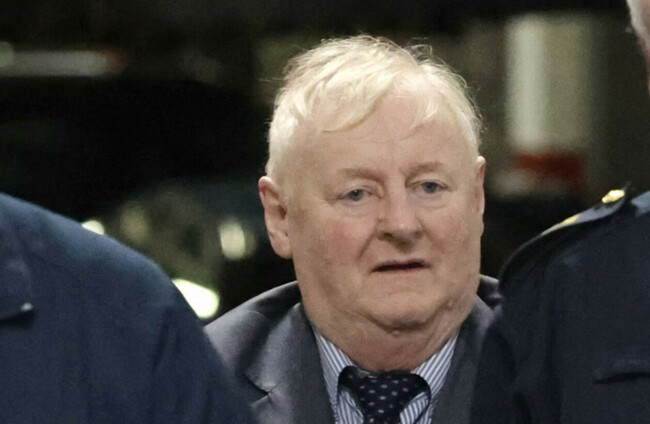
PLANS HAVE BEEN proposed to design a “permanent public memorial” in Waterford as tribute to survivors of notorious child abuser Bill Kenneally.
Local city councillor Donal Barry believes the memorial would “recognise the courage of ordinary men who spoke up, despite everything they had been through” in the decades since their abuse by Kenneally.
“This is part of Waterford’s history too,” Barry said, adding that the city already marks significant events and people with plaques, monuments and annual commemorations to ensure they’re not forgotten.
He praised the survivors who came forward, outlining to The Journal that they often “faced disbelief” but kept going even when up against “powerful” institutions.
A state apology was delivered to the victims of Kenneally in the Dáil last month by Taoiseach Micheál Martin, following a long campaign to secure answers on how the paedophile remained free from justice for decades.
In June, Kenneally died in prison while serving a near 20-year term for indecently assaulting 10 boys at various locations in Waterford in the 1980s.
His death came just days after the publication of a major state report into his abuses and how authorities dealt with reports of his crimes in the decades before he was finally brought to justice.
The report found a “clear and serious dereliction of duty” on behalf of An Garda Síochána and stated that knowledge of his activities became known in Waterford to two senior garda officers, as well as a senior clergyman, in the late 1980s.
Despite this, Kenneally remained a free man until a formal complaint by one survivor, Jason Clancy, in December 2012.

Now, discussions are to take place next month among officials and elected members of Waterford City and County Council to commission a structure to mark the campaign by victims.
“This memorial would not be about dwelling on the past,” Barry, the independent councillor, said.
It would be about remembering why things changed. It would remind us what can happen when children are not listened to, when victims are not believed, and when those in authority fail to act. Those are lessons that should never be lost.
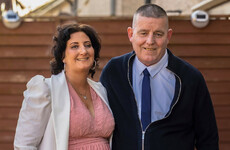
Barry’s brother-in-law Gerry Mullane was among the survivors who waived his right to anonymity, following the first successful court conviction of Kenneally in 2016.
“The memorial should be for every victim—the boys whose lives were changed forever, those who came forward, and those who, for their own reasons, have never spoken publicly. Every one of them deserves to be remembered,” Barry said.
He added that the findings of the inquiry and the State’s apology had “recognised what the victims had been saying for years” and deserved to be marked by the local council.
“While nothing can change what happened, we can decide how we remember it,” Barry said.
When contacted about the plans, one survivor, Clancy, told The Journal that the news had come as a surprise, but he appreciated the gesture from the council.
“It is a part of Waterford’s history, whether we like it or not. From that point of view, acknowledging what did happen and acknowledging the victims and so forth, it is a nice thing to do,” Clancy said.
“I would prefer that to the history being brushed under the carpet because there was so much brushed under the carpet over four decades.”
The tribunal set up to investigate how authorities handled the allegations surrounding Kenneally heard that gardaí estimated there to be 29 victims in total, although survivors believe there may be more.
Earlier this week, Sean Cashman, who was the former acting chief superintendent of Waterford Garda Station when Kenneally was allowed to go free, died following an illness.

To embed this post, copy the code below on your site













have your say