Sign in. It’s quick, free and it’s up to you.
An account is an optional way to support the work we do. Find out more.
Sign in. It’s quick, free and it’s up to you.
An account is an optional way to support the work we do. Find out more.
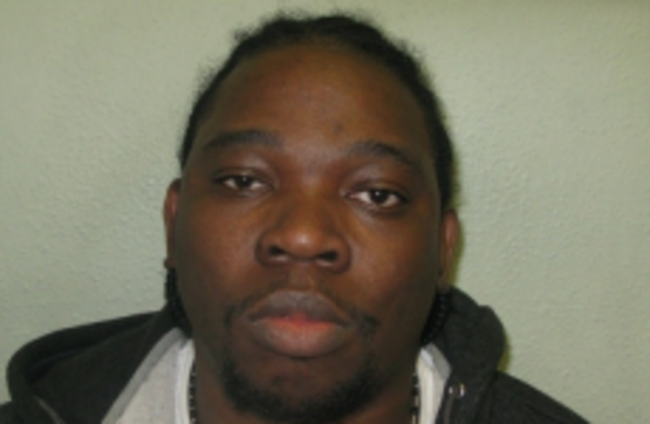
A MEMBER OF a prolific cybercrime gang in London has been ordered to pay back £1 million within six months – or face a further four years in jail.
Nigerian national Rilwan Adesegun Oshodi, 29, is currently serving an eight-year prison sentence for his part in a phishing attack that netted his gang £1 million of a woman’s life savings.
With the money, Oshodi and his colleagues bought items “ranging from cheeseburgers to high-end computers and gold” over a three-day spending spree during the New Year sales in January 2012, according to police.
How did the scam work?
Oshodi bought the victim’s bank details from a group for £3,200. They had initially obtained them after sending her an email purporting to be from her bank. It directed her to a web page which mimicked the genuine article. Once on that site, she filled in her account details in order to log in.
The 29-year-old criminal then used a female associate to call the bank to pose as their customer. She had the original contact details changed so the victim would no longer receive confirmation of transactions.
That paved the way for Oshodi to siphon off her savings via online transfers. The payments went to numerous accounts, including several controlled by other people.
Following extensive investigations, searches and seizures, eight people were convicted for the crime.
Despite police finding computers with details of over 11,000 credit cards at his address, Oshodi denied the charges – the only one of the eight to do so.
He was found guilty of conspiracy to defraud and conspiracy to launder the proceeds of crime. This week, he attended a confiscation hearing where he was ordered to pay £940,820 within six months. If he fails to do so, he will spend four more years behind bars.
“Oshodi’s sentence has taken him off the streets and this confiscation order aims to literally make him pay for what he has done,” explained detective sergeant Iggy Azad.
“The money will go back into policing and the criminal justice system, helping us continue to put people like Oshodi before the courts.”

To embed this post, copy the code below on your site














have your say