Sign in. It’s quick, free and it’s up to you.
An account is an optional way to support the work we do. Find out more.
Sign in. It’s quick, free and it’s up to you.
An account is an optional way to support the work we do. Find out more.

THE COST-OF-LIVING CRISIS is corroding the incomes of everyone in Irish society. Price increases are hurting families on the most basic of goods. Housing, energy and food are three key elements of life, and the cost of these staples is going through the roof.
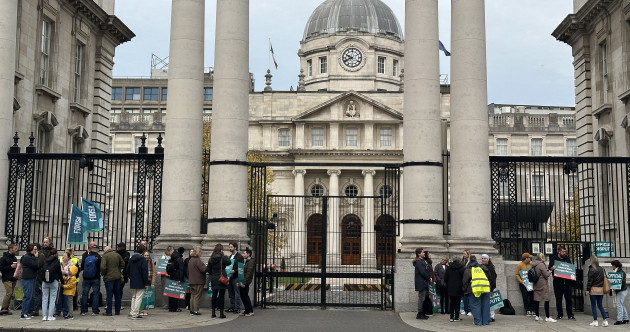
This was at the heart of the cost of fuel protests in the first half of the year. It’s also what is driving the public service strike today. Income erosion means that many families on good wages, with good jobs cannot make ends meet.
It is true that the whole world is feeling the pinch, and it is true that many of the drivers of these cost increases are out of the government’s hands. But it is also true that Ireland is exceptional in terms of costs.
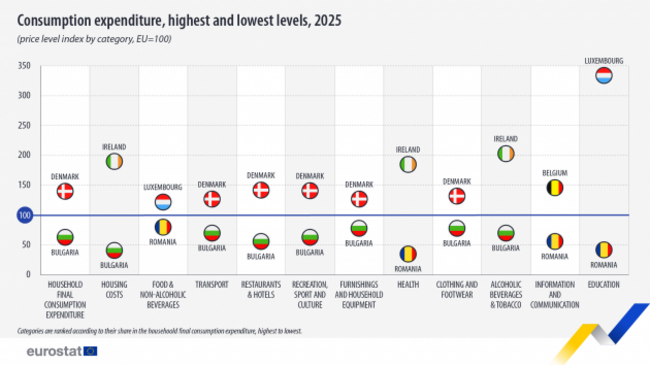
According to Eurostat, Ireland is the most expensive country among the EU 27 for electricity, housing (see 2024 figures here) and health services. Incredibly, goods and services in Ireland are 36% higher than the EU average. It is startling there are 500,000 gas and electricity accounts in arrears in such a wealthy country.
The government has a significant upward influence on prices. Housing, electricity, gas and other fuels increased in price by 9.5% in the year to September. All of these areas come under government influence either through taxes, supply levels or infrastructural inefficiencies.
Public services are a form of indirect income. The stronger public services are, the lower the cost to a family for key services such as health, education and transport. Today there are a million people on hospital waiting lists, many schools have “voluntary contributions” and public transport fares are being increased.
So, like the small businesses back in April, workers are faced with a choice – accept their incomes evaporating before their eyes, or demand a change in government approach.
What is really frustrating, politically, is to see the stand-off emerge between the government and the unions. Remember, the last pay agreement expired in June. Three months have elapsed with no sign of the government showing any real commitment to bridging the income gap.
The request of workers and trade union leaders has been reasonable. They simply want pay increases that are not deleted by inflation. They want to be able to make ends meet. Given the enormity of the crisis they want the pay element to be front-ended in any negotiation.
The government has stated that they are standing willing and waiting to cut a deal. I don’t think that’s what they are doing. I believe that the government want to engineer a position of power before negotiations start.
Remember back to the fuel protests, the government refused to meet with protesters at the start, or even entertain their request for discussions.
That aggressive strategy with protesters – instead of engaging in good faith – ended in disaster, with streets, roads, ports and our oil refinery being blockaded.
Are we really to have a similar story unfold in the public sector? Is the government going to plunge the country into chaos again over the next few weeks with the closure of schools, our justice system and our hospital services?
The essential workers the government applauded during Covid are getting poorer under their watch. Is the government now going to force them out week after week in industrial action to prove a point?
In my view, the government’s approach is borne out of a “too long in government” arrogance.
Their instincts should be one of building trust and partnership with the unions. That’s not to say that they simply agree with all asks. The government has a responsibility to protect the public purse too. It has a responsibility to ensure productivity, fairness and ensure efficiencies.
We in Aontú would like to see more progress on seamless IT systems within the public service. We want accountability for waste written into the contracts of very senior civil servants. We want performance to be a factor for senior civil servant pay.
The government talks productivity. Are they saying nurses on short-staffed wards are not productive? Are they saying that prison guards in overcrowded prisons are not productive? Ireland has some of the most overcrowded classrooms in EU schools. Are these teachers not productive?
The thing is, even if you don’t work in the public service, it is in your interests to see fair wages for public servants. Nearly 7,000 Irish nurses are registered in Australia at the moment. Unless this government gives a fair day’s pay for a fair day’s work, we simply will not get the public servants we need to do the work that we all depend upon.
Ministers say they are ready and waiting. It’s interesting that it is they who receive some of the highest wages in the country. Is it not time we see some productivity from them? Stop with the waiting, roll up your sleeves – get in there and fix the problem.
Peadar Tóibín is a TD for Meath West and leader of Aontú.
To embed this post, copy the code below on your site












have your say