Sign in. It’s quick, free and it’s up to you.
An account is an optional way to support the work we do. Find out more.
Sign in. It’s quick, free and it’s up to you.
An account is an optional way to support the work we do. Find out more.
LAST UPDATE | 8 Aug 2018
THE DEATH TOLL from a powerful earthquake on the Indonesian island of Lombok rose to 131 people today, as authorities appealed for food, clean water and medical help for some 156,000 people forced from their homes.
Many frightened, displaced villagers are staying under tents or tarpaulins dotted along roads or in parched rice fields, and makeshift medical facilities have been set up to treat the injured.
Evacuees in some encampments say they are running out of food, while others are suffering psychological trauma after the 6.9-magnitude quake, which struck just one week after another tremor surged through the island and killed 17 people.
“We still need long-term aid, even though we have already received help from various (regional) governments,” national disaster agency spokesman Sutopo Purwo Nugroho said.
Around 1,477 people were severely injured in the disaster, with tens of thousands of homes damaged, and authorities say the toll of 131 is likely to rise.
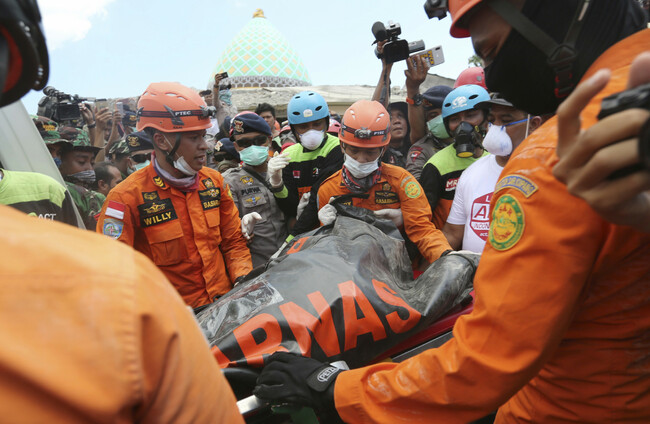
Workers with heavy machinery are searching the rubble of homes, schools and mosques, with hope of finding any survivors fading.
“The corpses are starting to smell and we believe some people buried are still alive — that’s why it’s a critical time,” Nugroho said.
Aid
Local authorities, international relief groups and the central government have begun organising aid, but shattered roads have slowed efforts to reach survivors in the mountainous north and east of Lombok, which bore the brunt of the quake.
Muhammad Zainul Majdi, governor of the West Nusa Tenggara region which covers Lombok, said there was a dire need for medical staff, food and medicine in the worst-hit places.
Hundreds of bloodied and bandaged victims have been treated outside damaged hospitals in the island’s main city of Mataram and other badly affected areas.
“We have limited human resources. Some paramedics have to be at the shelters, some need to be mobile,” Majdi told AFP.
The scale of this quake is massive for us here in West Nusa Tenggara, this is our first experience.
Some evacuees are grappling with the traumatic scenes of death and destruction that accompanied the quake.
“I saw my neighbour get stuck in the rubble and die. He asked me for help, but I couldn’t help him, we just ran to help ourselves,” Johriah, who like many Indonesians goes by one name, said.

To embed this post, copy the code below on your site
















have your say