Sign in. It’s quick, free and it’s up to you.
An account is an optional way to support the work we do. Find out more.
Sign in. It’s quick, free and it’s up to you.
An account is an optional way to support the work we do. Find out more.
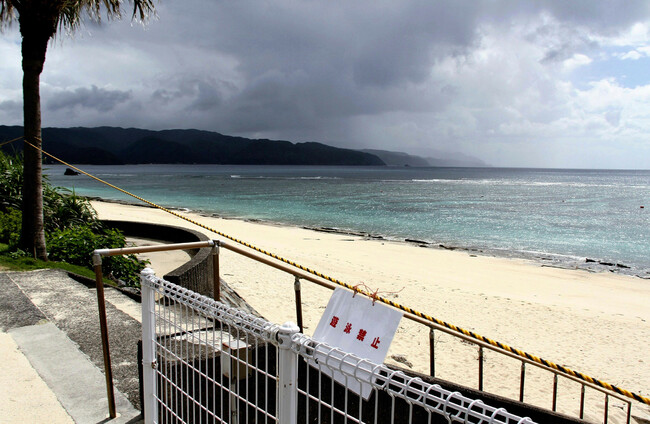
MULTIPLE COUNTRIES ARE concerned about the after-effects of a major earthquake in Russia, which sparked tsunami warnings across the world.
An 8.8 magnitude earthquake hit near Russia’s Kamchatka Peninsula at about 11:25am local time on Wednesday (00:25 Irish time), and it is believed to be one of the most powerful ever recorded.
Fears quickly spread that tsunamis would follow and countries such as Japan, New Zealand, China, the Philippines, the United States, and others along the Pacific Ocean began monitoring the situation.
While it has yet to be seen how much damage will be caused, some countries are now indicating that it may not be as bad as expected.
Hawaii and parts of Japan have downgraded their tsunami warnings to advisories, meaning some people that evacuated earlier will be able to go home now.
Flights in and out of Hawaii have yet to resume. Oprah Winfrey, who owns a sizeable property in Maui, opened her private road to allow traffic to get to higher ground faster.

Northern California remains under a warning, and waves are continuing to build along the state’s coastline, where dawn is breaking. Everyone is being advised to stay away from the water but no homes have been evacuated.
In Japan, warnings have been downgraded in the Ibaraki region in the east all the way down to the southern Wakayama region.
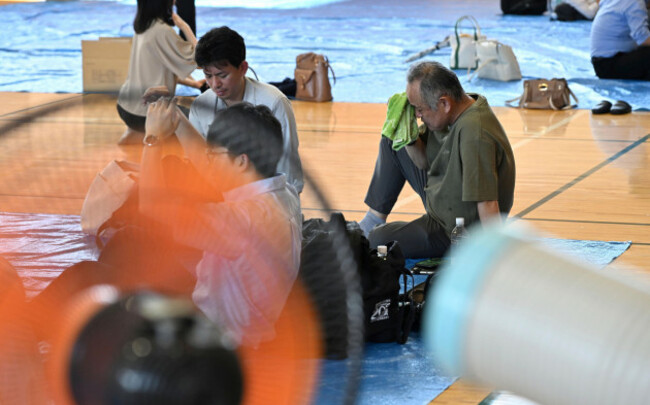
Locals had this morning been woken to sirens and evacuation orders, and thousands sought shelter in gyms, universities, and hospitals on higher ground.
Tsunamis, however small, do not act like regular waves. They are strong walls of water that can potentially flood large areas in a short period of time. The powerful phenomena are triggered by sudden changes in the seafloor’s movement – such as the earthquake seen in Russia – and their impact can be far and wide.
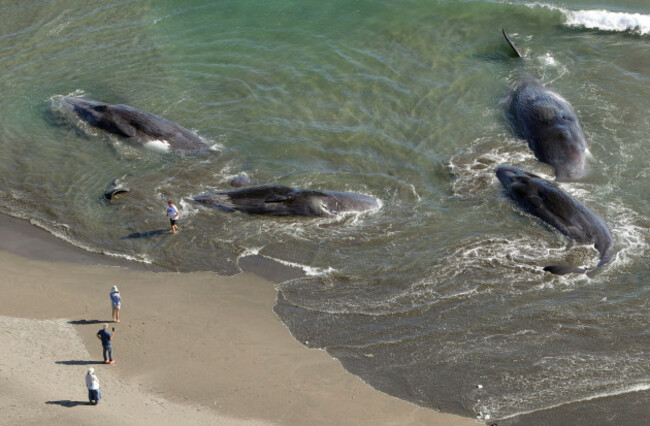
It also affects marine life and nature. In Tateyama City, Chiba, Japan, four sperm whales washed up on the shore.
A tsunami warning has also been lifted in Russia’s far eastern Kamchatka peninsula.
However, the town of Severo-Kurilsk, which is situated on an island some 350 kilometres southwest of the earthquake’s epicentre, was hit. Water reportedly crashed through the port area and submerged the local fishing plant.
The waves reached four metres high in some areas, coming in as far as the town’s World War II monument about 400 metres from the shoreline.
Russian officials said there were no injuries because everyone was evacuated in time.
The cities and towns at risk appear to have been efficient in their evacuations, heeding authorities’ warnings and leaving their homes without delay.
Brian Gaynor, a university lecturer who lives in the coastal city of Hokkaido, Japan, told RTÉ Radio One that initial waves were not as big as expected – around 50cm – but the concern is that they’ll get bigger as time goes on.
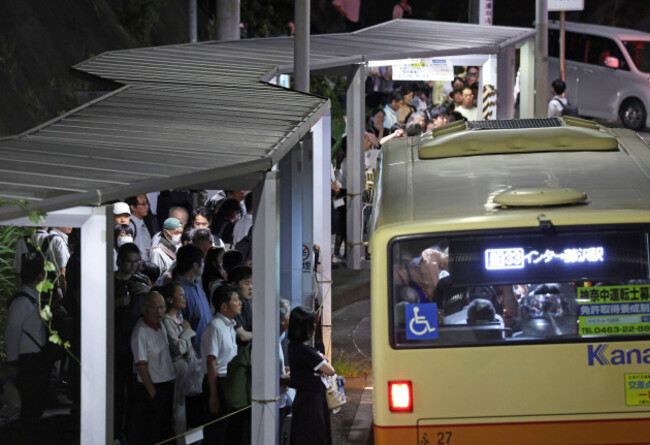
Gaynor said that upon hearing the warning this morning, locals immediately got in their cars and went to higher ground, causing traffic jams in some areas.
He said he noticed a marked change in the country’s response compared to 2011, when 18,000 were killed having not evacuated a tsunami danger zone. This time, warnings were issued early and the national broadcaster reported non-stop on developments.
“They’ve learned their lesson,” he said.
“There’s no kind of shrugging the shoulders or going ‘well, maybe if it comes I’ll get out of the way’.
“As soon as there was a three metre tsunami warning issued, people piled into the cars and immediately evacuated to high grounds, to the extent that there’s been traffic jams going up to the evacuation zones.”
The country is also going through a heat wave at the moment, with temperatures exceeding 30 degrees Celsius during the day.

To embed this post, copy the code below on your site














have your say