Sign in. It’s quick, free and it’s up to you.
An account is an optional way to support the work we do. Find out more.
Sign in. It’s quick, free and it’s up to you.
An account is an optional way to support the work we do. Find out more.
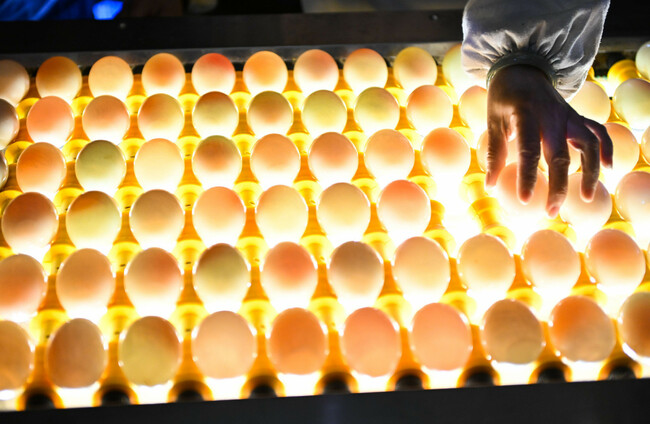
FOOD SAFETY WATCHDOG the FSAI has advised people against consuming raw duck eggs, saying the eggs must be properly cooked before eating.
The guidelines have been issued in the wake of an ongoing investigation by FSAI and National Health Protection Office of the HSE that links the consumption of duck eggs with Salmonellosis.
Five human cases of Salmonellosis within the last 12 months and linked to the consumption of duck eggs are being investigated.
“Producers are responsible for ensuring the safety of food placed on the market,” the FSAI said.
“However, from time-to-time, Salmonella occurs in duck eggs.
“Salmonella can cause serious illness. The risk is greatest for people who are very young, for older people, and for people who have a suppressed immune system.”
The illness can have symptoms such as diarrhoea, abdominal cramps and fever.
According to FSAI, “A duck egg is heavier and larger than a hen’s egg, and therefore requires more cooking time.”
The advisory also specifies other measures that need to be kept in mind while cooking duck eggs.
It said, “Duck eggs should only be eaten after they have been thoroughly cooked, until both the white and yolk are solid. Maintaining stringent hygiene practices, such as washing hands and preparation surfaces, is important when handling or breaking raw duck eggs. Therefore, duck eggs should always be handled and cooked carefully.”
Duck eggs are legitimately available in the Irish retail market and are
preferred by some people over hens’ eggs in cooking and baking.
The FSAI warns: “Do not use raw duck eggs in the preparation of products that contain raw or lightly cooked egg, such as homemade mayonnaise, tiramisu, icing, hollandaise sauce.
“When using duck eggs in cooking or baking, pay attention to hygiene when breaking duck eggs and handling the empty shells afterwards, and do not eat or taste the raw mix. After handling raw duck eggs, always wash hands thoroughly.”
The FSAI also advised to ensure that the utensils that have come in contact with the eggs are properly washed afterwards.
“Store duck eggs in the fridge away from ready-to-eat food,” it said.
To embed this post, copy the code below on your site











have your say