Sign in. It’s quick, free and it’s up to you.
An account is an optional way to support the work we do. Find out more.
Sign in. It’s quick, free and it’s up to you.
An account is an optional way to support the work we do. Find out more.
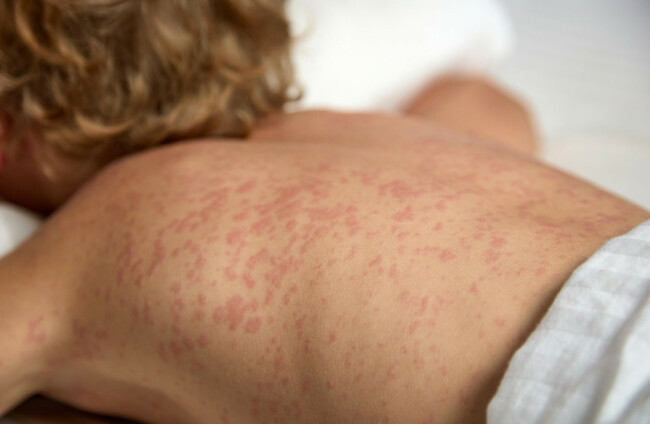
TWENTY MEASLES CASES have been confirmed in Ireland to date this year, according to the latest figures from the Health Protection Surveillance Centre (HPSC).
Three outbreaks – where two or more confirmed cases are related – have occurred so far in 2024.
These three outbreaks all occurred in private houses and involved four cases, three cases, and two cases respectively.
In addition to the 20 confirmed cases, a further 13 probable or possible cases are currently under investigation.
Each suspected case of measles needs to be tested in a laboratory before being confirmed as measles or denotified. Several possible measles cases have been declassified in recent weeks.
Measles is a highly infectious disease that can cause serious complications, particularly in children under one year of age, pregnant women, and the immunosuppressed.
It typically starts with cold-like symptoms that develop about 10 days after a person gets infected. The person will get a rash a few days later.
Symptoms include:
The illness usually lasts for seven to 10 days. You can read more in our explainer on the disease here.
A new MMR (measles, mumps and rubella vaccine) catch-up vaccination programme has been rolled out amid fears of a possible outbreak here.
Some 310,000 people will be eligible for the vaccine under the programme which is estimated to cost €4.6 million. The vaccines will be administered by GPs and HSE vaccination teams.
Under the new programme, children and young adults not already vaccinated will be prioritised for vaccination.
The next priority group will be healthcare workers, followed by underserved groups such as homeless people, refugees and international protection applicants.

To embed this post, copy the code below on your site













have your say