Sign in. It’s quick, free and it’s up to you.
An account is an optional way to support the work we do. Find out more.
Sign in. It’s quick, free and it’s up to you.
An account is an optional way to support the work we do. Find out more.
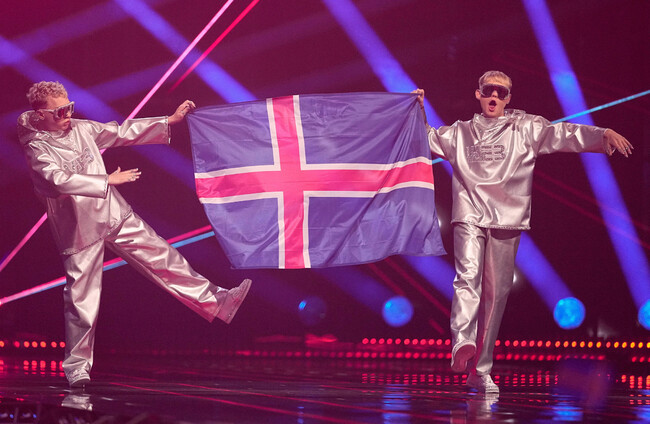
ICELAND WILL REMAIN absent from Eurovision next year alongside Ireland and the Netherlands, but the contest is still set to have more participating countries than in 2026.
The European Broadcasting Union (EBU) today announced 36 broadcasters for the 2027 competition in Burgas, Bulgaria, one more than took part this year.
Iceland’s broadcaster RÚV is absent from the list, following calls from a majority of its board to continue its boycott unless Israel was excluded.
Israeli broadcaster KAN is among those confirmed to compete.
Canada will enter Eurovision for the first time, while North Macedonia will return after a four-year absence.
Spain and Slovenia, which joined Ireland, Iceland and the Netherlands in boycotting the 2026 contest over Israel’s participation and its war on Gaza, have yet to decide whether to return.
The EBU has given both broadcasters until December to confirm.
The announcement comes a day after Dutch public broadcasting body NPO confirmed the Netherlands would remain out of the competition, reversing an earlier plan to return through broadcaster NOS.
NPO said Israel’s participation continued to cause discussion and division, and that it was “currently too early” for the Netherlands to return.
Six of RÚV’s nine board members backed a resolution last month calling for Iceland to stay out unless Israel was barred. They also reiterated an earlier demand for Israel’s exclusion.
RTÉ has already confirmed that Ireland will neither compete in nor broadcast next year’s contest.
Explaining its decision, the broadcaster said Ireland’s participation could not be justified given the “appalling and ongoing loss of lives in Gaza”.
It also cited the humanitarian crisis threatening civilians and restrictions preventing international journalists from independently accessing the territory.
The five-country boycott followed an EBU meeting in December 2025 at which members approved voting reforms but did not hold a separate vote on Israel’s participation.
The reforms followed controversy over the 2025 competition, when an Israeli government agency used social media advertising and state accounts to encourage votes for Israel’s entry.
Changes included measures to discourage government-backed promotional campaigns, reducing the maximum number of votes per payment method from 20 to 10, and restoring professional juries to the semi-finals.
Despite the continuing absences, Eurovision director Martin Green welcomed the expanded line-up.
“In a world that can feel increasingly divided, it brings audiences together through music, across borders, languages and cultures, and that matters now more than ever,” Green said in the EBU announcement today.
The contest will take place at Arena Burgas after Dara secured Bulgaria’s first Eurovision victory this year with Bangaranga.
The semi-finals are scheduled for 11 and 13 May, with the Grand Final on 15 May.

To embed this post, copy the code below on your site










have your say