Sign in. It’s quick, free and it’s up to you.
An account is an optional way to support the work we do. Find out more.
Sign in. It’s quick, free and it’s up to you.
An account is an optional way to support the work we do. Find out more.
ALMOST EVERY VERSION of Internet Explorer, with the exception of the latest version, will no longer be supported by Microsoft next month.
The company said it would only support Internet Explorer 11 after 12 January 2016. This means that no more security patches or updates will be issued, leaving them open to future security issues.
The most recent version of Internet Explorer happens to be the final version since Microsoft introduced a new browser called Edge. Users are pushed towards this new browser when they upgrade to Windows 10 although they can still use Internet Explorer 11.
Roughly 15% of the Irish population use Internet Explorer on their PC, according to StatCounter, with more than 11% run the latest version of Internet Explorer since it updates automatically.
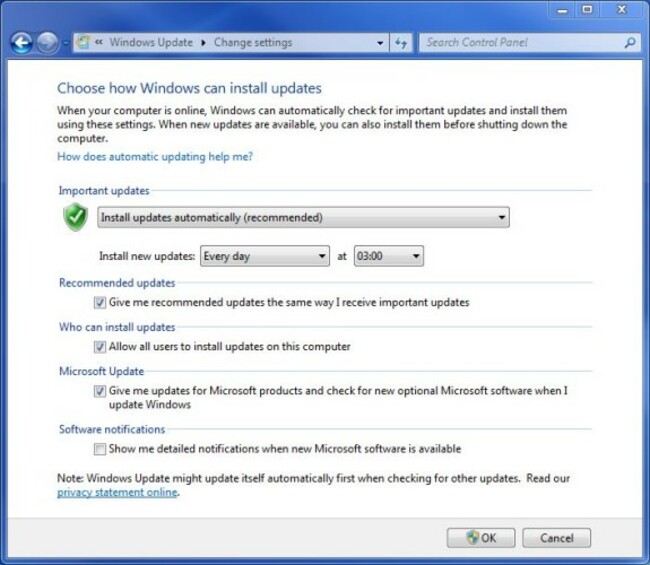
If you’re still using it, or you know someone who is, the best way to check is to go into Control Panel > Windows Update > Check for updates.
You can turn on automatic updates by going into Change Settings instead and changing the important updates section to automatic.
Alternatively, you could change to a rival browser like Chrome, Firefox or Opera.
The bigger problem for Microsoft is the number of people still running Windows 7 and 8 and convincing them to upgrade to Windows 10. More than 10% of people use Windows 10, but nearly half (49.27%) are running Windows 7 while 13.02% use Windows 8.1.
While it’s still supporting these platforms, Windows 7 users only receive security updates until 2020 if they’ve installed Service Pack 1.
Windows 8.1 users will continue to receive security updates until 2023 while mainstream support (where it offers free help and support) will end in 2018. Support for Windows XP ended last year.

To embed this post, copy the code below on your site
















have your say