Sign in. It’s quick, free and it’s up to you.
An account is an optional way to support the work we do. Find out more.
Sign in. It’s quick, free and it’s up to you.
An account is an optional way to support the work we do. Find out more.
LAST UPDATE | 2 hrs ago
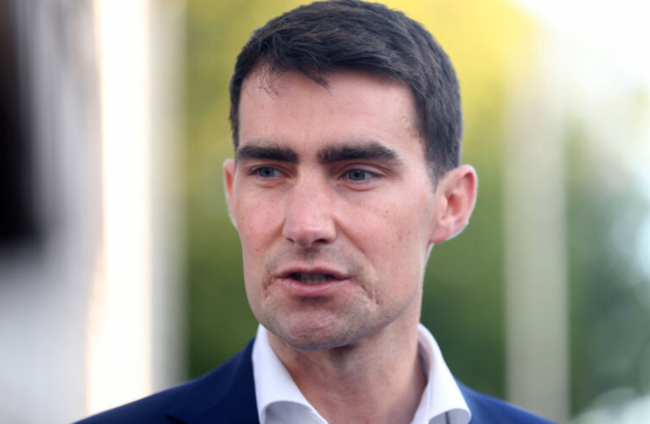
MINISTER FOR PUBLIC Expenditure Jack Chambers has said the upcoming public sector strike will cause “unnecessary” and “unfair” disruption.
Chambers is to brief cabinet today on efforts to avert the strike, which will be the biggest since the height of the financial crisis in 2009.
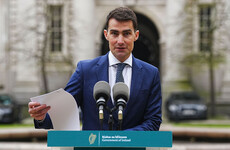
Speaking at Government Buildings today, Chambers said that continuing to pursue industrial action is going to cause “significant disruption to many people across the country”.
“I think it’s really unfair to the public that we’ve trade union leadership unwilling to talk, and I want to have constructive and meaningful discussions with trade unions and give a fair, meaningful public sector pay deal to workers as well,” he added.
He reiterated that this year’s budget has made provisions for a public sector pay deal and the government wants “to honour that through constructive discussions”.
Chambers appealed to unions to “avoid this unnecessary disruption and get around the table as quickly as possible to resolve this matter”.
Among the striking workers are nurses, consultants, teachers, special needs assistants (SNAs), firefighters, prison officers and dentists. A full list is available here.
Also speaking ahead of cabinet, Taoiseach Micheál Martin noted the significant effect of the strike, especially on schools and hospitals.
“The impacts are serious, and government will do everything it possibly can, and that’s why we’ve issued an appeal”, Martin added.
The public expenditure minister will tell colleagues today of his department’s “substantial efforts” to engage in talks with public sector unions.
This included officials meeting with ICTU on 12 occasions during 2026, with two meetings taking place since the expiry of the deal in June.
Ministers will hear how Chambers has written to unions twice in the past two weeks, including on Monday, when it was reiterated that all issues raised by unions, including pay, could be discussed.
At Cabinet today, a government memo will outline some of the anticipated impacts of the strike, including cancellation of outpatient hospital appointments and non-emergency procedures, as well as the closure of most schools, colleges and universities.
Ministers will also be warned about the impact on the wider economy, and especially smaller businesses, as parents may have to take leave to look after children.
A statement is expected to be agreed at Cabinet, and it is expected to express the government’s disappointment with unions’ repeated rejection of talks.
It is understood that it will also highlight measures in Budget 2027 that the government feels will help to address cost-of-living challenges, including an income tax package and a provision of €1.2 billion for a new deal.
Martin said that “there is a strong foundation laid by the budget and other measures to facilitate productive negotiations on a new national pay agreement”.
Unions have argued that the provision is insufficient to protect workers’ incomes against rising living costs.
The government will tell unions that it’s willing to have talks before Wednesday’s strike action, using the Workplace Relations Commission.

To embed this post, copy the code below on your site











have your say