Sign in. It’s quick, free and it’s up to you.
An account is an optional way to support the work we do. Find out more.
Sign in. It’s quick, free and it’s up to you.
An account is an optional way to support the work we do. Find out more.
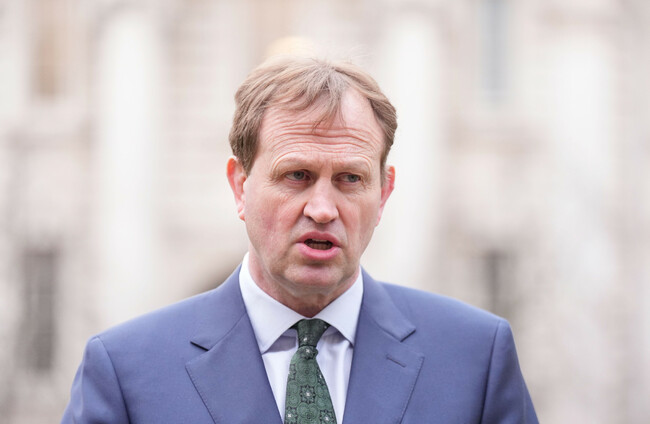
THE JUSTICE MINISTER has said remuneration for criminal work has improved since he was a barrister, and defended his comments about avoiding it in the past because it ‘doesn’t pay’.
Solicitors took issue with the remarks made at an Oireachtas committee meeting, as they’re in the midst of a protracted row with the Department of Justice over the new flat fee system.
It means they will earn a flat fee regardless of how many appearances are involved in a case.
Jim O’Callaghan told RTÉ Radio One’s Morning Ireland that he’s “not trying to be antagonistic” towards solicitors’ financial interests, but rather he is trying to improve the justice system for the public.
“When I started as a barrister 30 years ago, it was the case that criminal work wasn’t paid very well at the bar,” he said.
“That has now changed significantly, and as you can see from the criminal legal aid lists that are published for solicitors and indeed barristers, it is now a well remunerated system, and I welcome that.”
To protest the changes, solicitors stopped providing the legal aid service, leading to the adjournment of many cases. They now are set to halt all work in the Dublin District Court, Circuit Court and the Central Criminal Court.
O’Callaghan said he ‘regrets’ that there is a row, but he has no intention of reversing the reforms.
He said that while he’s “not accusing solicitors of anything”, but he wants to disincentivise adjournments.
“If it is the case that somebody is being paid on the basis of adjournments – every time a case is adjourned you get paid more – inevitably, applications for adjournments are going to increase, and people are going to not object to adjournments if they’re being applied for,” he said.
The Law Society, which represents solicitors, hasn’t asked to meet with the Department since the changes came in, O’Callaghan said.
Several meetings took place in the lead up to the changes, and O’Callaghan says he has “no difficulty” meeting again if they ask.
He said he would consider looking at the structure of the flat fee, as solicitors took issue with it only being paid at the end of a case.

To embed this post, copy the code below on your site














have your say