Sign in. It’s quick, free and it’s up to you.
An account is an optional way to support the work we do. Find out more.
Sign in. It’s quick, free and it’s up to you.
An account is an optional way to support the work we do. Find out more.
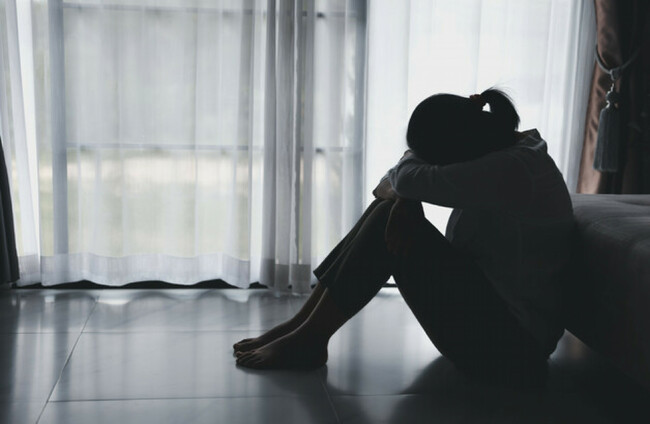
THE NEW NATIONAL suicide reduction policy is set to place a “stronger focus” on those bereaved by suicide.
The previous “Connecting for Life” suicide reduction policy was launched in 2015 and came to an end in 2024.
This policy has since been assessed and the new strategy aims to build on it and take account of new evidence.
As part of the development of Ireland’s next suicide reduction strategy, the Department of Health invited members of the public and stakeholders to outline what they would like to see in a new strategy.
The government said it was “particularly interested in hearing from people with lived and living experience of suicide” and close to 1,900 responses were received.
The minister for mental health, Mary Butler, and the minister for health, Jennifer Carroll MacNeill, will today seek approval for the new 10-year strategy.
The new strategy aims to take a “whole-of-government and whole-of-society approach to address the wide range of factors that influence suicide and self-harm”.
It will emphasise action to address the societal risk factors of self-harm and suicide, including poverty, addiction and online harm.
The strategy also aims to expand a range of crisis supports for people in distress in community settings, such as Crisis Cafes, Suicide Crisis Assessment Nurses (SCAN) to support GPs, as well as dedicated mental health nursing teams in emergency departments.
There will also be a stronger focus on supporting people bereaved by suicide, including enhanced bereavement services, a national framework, and improved inquest supports.
The first implementation plan for the strategy will be published by Butler in September.
A source said the strategy builds on “significant progress” over the past two decades – suicide rates have fallen by 28% between 2000 and 2023.
Meanwhile, Ireland now has the 11th lowest suicide rate in the EU, while OECD health statistics from last year show that Ireland’s overall suicide rate remains below the OECD average of 11 per 100,000 population.
Elsewhere, the National Self-harm Registry Ireland Annual Report from 2024 shows that the rates of self-harm in 2024 were 5% lower than in 2023 and 19% lower than the peak rate recorded in 2010.
If you need to talk, contact:

To embed this post, copy the code below on your site













have your say