Sign in. It’s quick, free and it’s up to you.
An account is an optional way to support the work we do. Find out more.
Sign in. It’s quick, free and it’s up to you.
An account is an optional way to support the work we do. Find out more.
UNUSUAL RASHES, FAINTING, and baking conditions.
These are some of the things that doctors and nurses have seen during the hot spell that has gripped the country over the past few weeks.
Many of the hospitals, clinics and nursing homes in Ireland are not built to withstand hot weather, meaning that healthcare workers and patients experienced the brunt of the searing temperatures, which saw parts of Ireland climb to over 30 degrees.
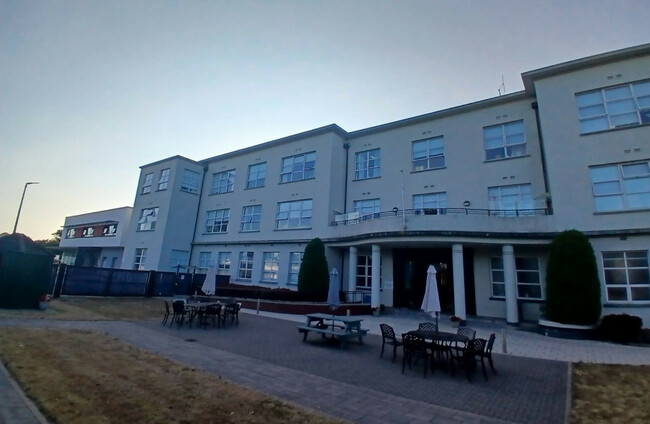
Nurse Alice Carew, who works at Cashel Older Persons Residential Services in Co Tipperary, compared her working conditions to “the meat in a toasted sandwich”.
Speaking to The Journal, she said that her building, which dates back to the 1930s, was poorly equipped for high temperatures.
“We’re in an old surgical building that was renovated back in Covid. We have a massive concrete roof. So, as you can imagine, that draws in the heat during the day, and gives it out during the night.
The home houses around 60 patients who are over the age of 65. Carew’s ward, Croí Óir, has 19 patients and is located on the first and second floors of a two-storey building.
It has large windows that only open a fraction of an inch, with no air conditioning.
“We were like the meat inside a toasted sandwich, the heat from above, the heat from below.”
Dr Mick Molloy, chair of the Irish Medical Organisation Consultants Committee, told The Journal that there were similar conditions in his hospital, adding that many of Ireland’s hospitals were not designed for the heat.
“Most of our hospital buildings would have been built in the 50s or 60s or in the 80s or 90s. The engineering at that time was looking at how you keep in as much heat, not how much you get out.
“You can have these small waiting rooms which have lots and lots of windows, which… let in a lot of heat. If there’s no place in the room that you can get away from the sun, it can be a very uncomfortable place to be if you’re already suffering from heat exposure or sun exposure.”
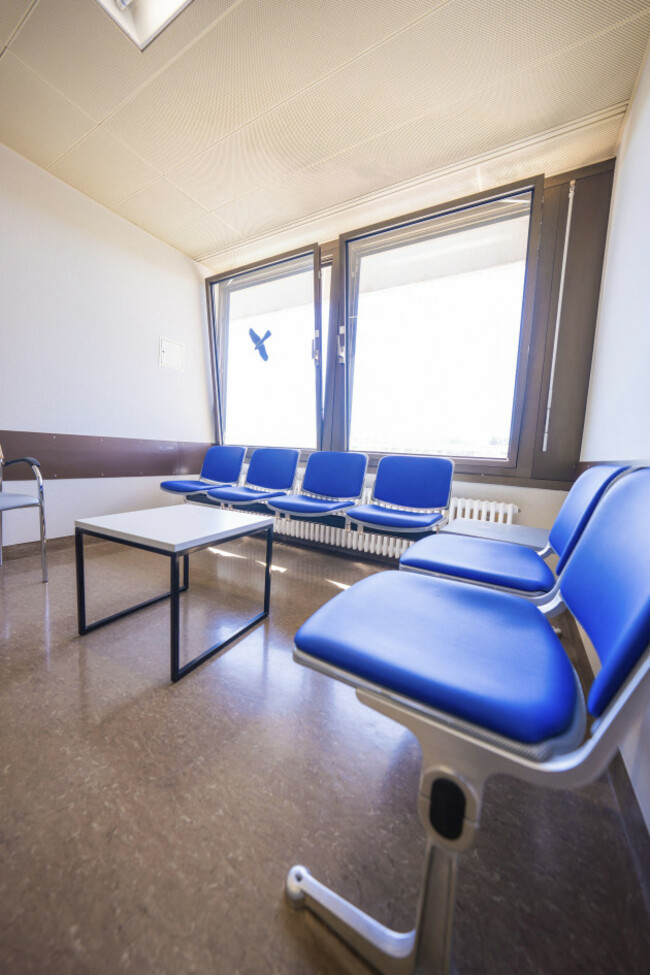
This, coupled with lack of blinds, can lead to roasting temperatures inside.
Carew described how the heat boxes the patients and nurses in from all angles: rising from the kitchen on the ground floor, coming in through the many windows, and oppressing them from above through the concrete roof.
While there were one or two fans dotted around the ward, Carew said they were “only blowing the warm air around the place”.
“There was no actual air cooling,” she said.
“From an infection prevention point of view, fans aren’t really the best thing to be using,” she added, as they can blow the infection around.
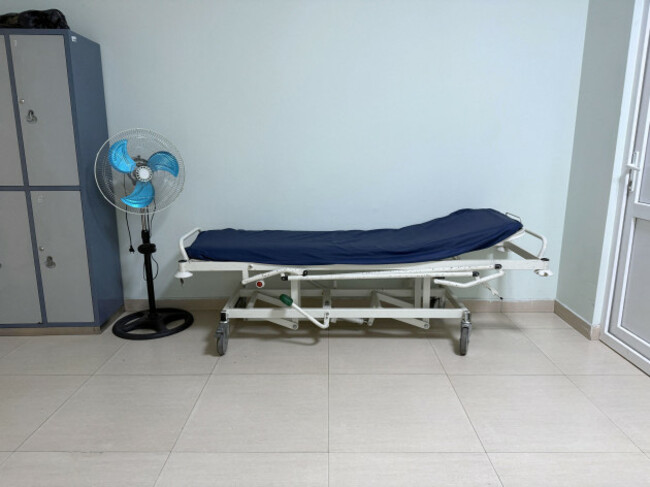
For Niall Kennedy, who works in the neighbouring rehabilitation ward on the ground floor, staff resorted to bringing in fans themselves as none were provided by the HSE.
“The fans raised the morale,” he said. “You have to problem-solve the whole time in the health service – it’s how you get along.”
Carew said that while they had asked for the installation of air conditioning units in previous years, nothing had changed.
“Within the health service, things take a long, long time to get done.”
“There is legislation in place, but again, funding, time, all those things go against any kind of updates and modernisation of any older buildings.”
Within the health service, things take a long, long time to get done.”
The HSE was asked to comment on the conditions inside the home in Cashel.
Speaking more generally, the HSE said that it “fully recognises that protracted periods of extreme heat may present a safety and health risk for members of our workforce”.
“Appropriate control measures are being implemented, informed by local risk assessments, to mitigate these risks and support staff health, safety and wellbeing.
“Older facilities are particularly challenging to maintain consistent temperatures in. Factors such as orientation, fenestration, and the responsiveness of older heating systems all play a part in the building temperature experienced by patients and staff, even in different locations within a building.
“While air conditioning is present in many facilities and while we continually upgrade older buildings, it is worth noting that air conditioning is not the singular way of providing building cooling. Passive cooling can be achieved through building orientation, solar shading, thermal mass and natural ventilation.
“In hospitals and care settings, the focus is on the early recognition of heat-related illness, keeping patients, service users and staff as cool as possible, ensuring access to fluids and escalating care where required.”
Dr Molloy told The Journal how the heat had led to an uptick in patients admitted to the emergency department, both for people who were dehydrated but also those who experience adverse side effects from medication.
“We have some medications that don’t interact well with the sun, and people can end with quite extreme rashes,” Molloy said.
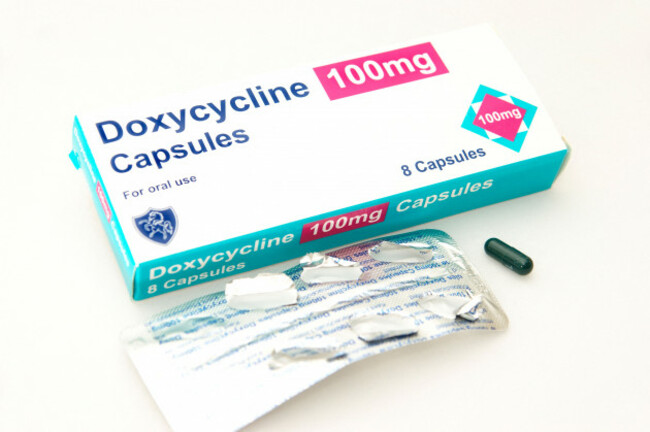
For certain antibiotics which are for chest and skin infection – particularly Doxycycline, Ciprofloxacin or Tetracycline – the advice is to completely avoid the sun, as they increase sun sensitivity.
Two patients were admitted in the last week with these symptoms, which Molloy described as “two too many”.
Orlagh Gaynor of Irish Doctors for the Environment said that the link between heat and health is not always obvious. “It means more people attending emergency departments with heart attacks, strokes and kidney injuries, and many others,” she said.
“Many patients are not aware of the health dangers of heat, even at just 25˚C.”
Molloy also spoke about an increase in people fainting, due to blood pressure falling too low in the heat.
An average of six to eight patients are being admitted to the ED per week with these symptoms, Molloy said.
People can end with quite extreme rashes
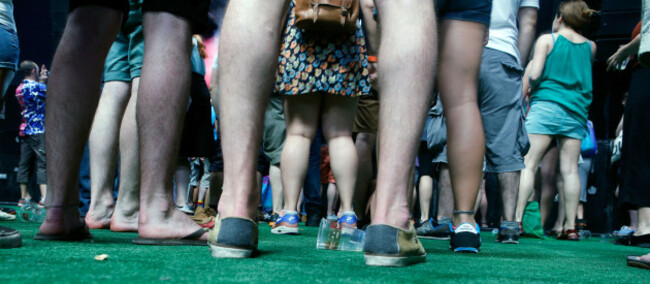
Blood pressure drops when you stand for long periods of time, he explained, which can happen standing at concerts, and can lead to fainting as the body tries to raise the blood pressure.
“You’re actually trying to lose heat by expanding the blood vessels closer to the skin… but what can happen is you just pull too much blood, drop your blood pressure, and faint.”
He said that this was also an issue for people on medication to lower blood pressure. His advice was to keep your legs moving, sit frequently, or raise your legs to increase your blood pressure.
In Tipperary, nurses had to be particularly aware of patients’ needs, as many residents of the Cashel home are not mobile, and some are non-verbal.
“We needed to be mindful of [patients’] skin conditions, different diagnoses, and that they might be dependent on someone to give them a drink”.
Some patients with dementia, multiple sclerosis, or those who’d suffered a stroke, may not have the “cognitive capacity” to say “I’m thirsty”, she said.
“If someone is non-verbal, they don’t have that opportunity to say ‘I’m hot’ or ‘my skin is feeling hot’,” she said.
In the wards, with the sun beaming in, “the only real protection we had was to try and close down the blinds or the curtains to try and keep some of the heat out”.
“That takes away from the pleasure of knowing that it is summer,” Carew said. “They don’t see much from up and up in the two floors, but at least, to look out a window.”
Carew also described how the medical-grade mattresses and cushions were not designed for people during the heat. The material is coated and waterproof for hygiene purposes and so it is easy to clean. “It’s all heat and perspiration,” she said.

For the nurses, working in the heatwave in medical-grade clothing meant they were “hot and sticky” a lot of the time and needed to find time to grab a drink themselves.
“Nursing is predominantly female and then we’re of a certain age, menopause. So you’ve got your own heat, you know, with heat flushes and then all this heat coming on you. It’s not easy,” she said.
Carew also spoke about the long shifts of eight to 12 hours, and how the night shifts took their toll, as sleeping during the daytime in the heat was difficult.
One of the solutions is first to get more fans and air conditioning, Molloy said.
Then, he recommended making amendments to the buildings to improve their airflow and prevent pockets of heat accumulating.
In the long term, he said it is important to engineer buildings differently.
To embed this post, copy the code below on your site














have your say