Sign in. It’s quick, free and it’s up to you.
An account is an optional way to support the work we do. Find out more.
Sign in. It’s quick, free and it’s up to you.
An account is an optional way to support the work we do. Find out more.

LAST UPDATE | 30 Apr 2025
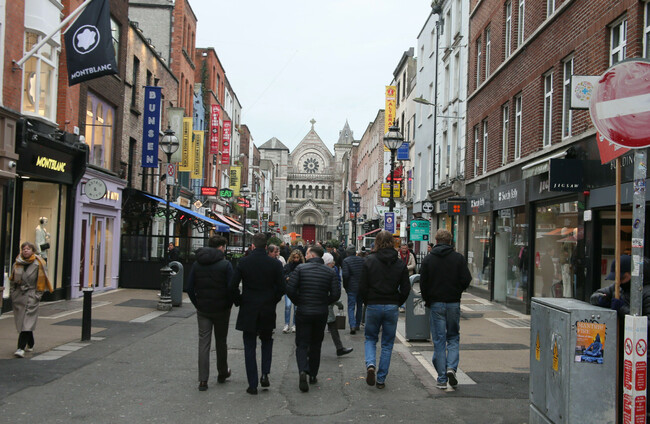
THIS WEEK, DUBLIN City Council announced it would spend €6 million regenerating the laneways between Grafton Street and Dawson Street, one of the most polished corners of our capital city.
This part of town is already gleaming. There’s nothing broken there, but once again, public money is flowing to places that already have everything, while parts of Dublin that have been screaming out for the basic things like bins, benches and public toilets are left waiting.
It’s not a once-off. A few days before that, it emerged that almost €700,000 had been spent on a “tearoom” in Palmerston Park. A tearoom that doesn’t actually serve tea. And in all likelihood never will. It’s a monument to how detached decision-making in this city has become — public money spent not to meet the needs of a community, but to tidy up the parts of Dublin we’re happy to show off.
Funny, isn’t it? There was no big fanfare about this €6 million. It didn’t need a PR campaign, it just gets the funding, quietly. No drama. No begging.
Contrast that with the North Inner City? We get the whole circus. A year since the Taoiseach’s big announcement on support for this area. Nearly 200 days since the glossy ministerial photo shoot outside the GPO, all nods and promises. And since then, not a single piece of funding has been allocated.
I was in Mountjoy Square last week, a 2 km stroll across the Liffey from Government Buildings. It’s one of the oldest and most historic Georgian squares in Dublin. It should be the pride of the city. Instead, it’s a case study in what neglect looks like. What I saw there was shameful. A brilliant community after-school service has one working toilet for dozens of staff and children. There’s no heating. The windows are so bad you can barely see out through them, the doors have holes in them, and staff are regularly forced to clean up human faeces and urine from the entrance. It’s a disgrace. But it’s not treated like one because of the postcode.
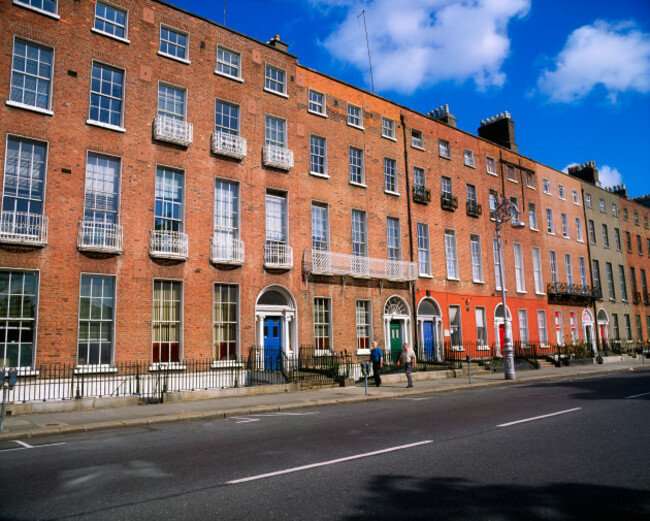
And that’s the truth at the heart of all this: Dublin is being run as a two-tier city. On one side, regeneration means nice paving stones and new street furniture, on the other it means bins and benches get removed, because someone, somewhere, decided that public infrastructure is a risk in working class communities. The excuse is always ‘anti-social behaviour’. As if the solution to this is to remove public services rather than invest in safety, in dignity, in people.
You’ll never hear those words whispered around Grafton Street. No one’s worried about park benches being “misused”. No talk of “misuse” when €6 million is spent upgrading an area that is already perfectly pleasant to ramble around, already designed to serve the wealthy and cater to tourists. But on the Northside, public space is treated like a problem to be managed.
This isn’t about envy. It’s about priorities. We’re not asking for tea rooms. We’re asking for heating. For toilets that work. For benches to sit on. For parks that are maintained. For buildings that don’t shame the services operating inside them. This is not a wish list. It’s the bare minimum any city should provide.
And sport? One of the greatest tools we have to engage young people, to build community and offer a pathway from youth crime and violence. Dublin 1 doesn’t even have a single full-sized football pitch. Think about that. One of the most densely populated, economically disadvantaged areas in the country, and there’s nowhere for a group of teenagers to play a proper match. This goes further than neglect. It’s abandonment. Yet still, coaches, volunteers and youth workers show up day after day doing everything they can with the little they have. No one should have to fight so hard for something so basic.
There’s a quiet cruelty in how this city treats its working-class communities. The places with the most need, are made to feel like they deserve the least. The public realm isn’t just underfunded, it’s deliberately withdrawn. And it’s treated with complete indifference. With an expectation that people doing the most with the least should be grateful they weren’t entirely forgotten. And then they look across the river and see €6 million going to fix a place that was never broken.
We need to stop calling this regeneration. It’s not. It’s a performance. It’s a PR exercise dressed up as progress. Real regeneration starts where the need is greatest. It listens. It builds. It respects. And it doesn’t leave entire parts of the city behind.
The North Inner City has always had to fight for scraps. But everyone in this city deserves better than scraps. They deserve a city that sees them. A city that values them. A city that invests in them – not once the tourists arrive, not once a neighbourhood becomes fashionable – but now.
Until that happens, let’s be honest about what’s going on here. Dublin City Council isn’t regenerating anything. It’s reinforcing its divisions, one Leinster granite paving stone at a time.
Gary Gannon is a Social Democrats TD for Dublin Central and is the party’s spokesperson for Justice, Home Affairs and Migration.
To embed this post, copy the code below on your site













have your say