Sign in. It’s quick, free and it’s up to you.
An account is an optional way to support the work we do. Find out more.
Sign in. It’s quick, free and it’s up to you.
An account is an optional way to support the work we do. Find out more.


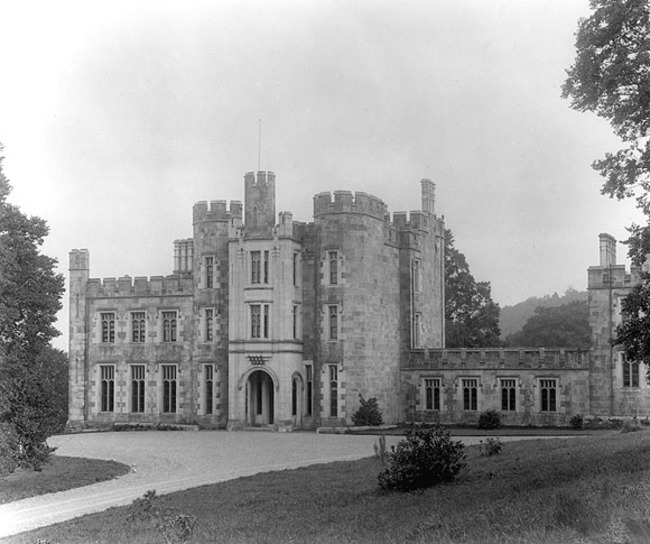
MARK ZUCKERBERG’S REPORTED purchase of Strancally Castle in Co Waterford has put a fresh spotlight on this part of the market. Ireland has long attracted overseas purchasers, whether through family connections, business interests or a desire to own property in one of Europe’s most stable and appealing markets. International demand remains an important component of the country’s prime country house and estates sector.
According to our Savills Prime Country House Market Report, prime country home sales reached €267 million across 194 transactions in 2025. While Savills data represents a portion of the overall market, it provides valuable insight into buyer behaviour. Almost one third of purchasers were international buyers, underlining Ireland’s continued attractiveness to overseas purchasers.
Overseas purchasers tend to be more willing than domestic buyers to consider properties in more remote locations. Savills data shows that international buyers acquired properties located, on average, 70 kilometres from the nearest international airport. This reflects a buyer profile often motivated by lifestyle, privacy and amenity rather than proximity to urban centres. Approximately 80% of international buyers purchased a second home, with many seeking access to Ireland’s coastline, rivers and countryside.
At the upper end of the market, these transactions can be more complex than a conventional house purchase. Discretion is often important, and buyers may be represented by advisers or buying agents. Due diligence can also extend beyond the house itself to include substantial acreage, protected structures, woodland, fishing or sporting rights and other interests attached to an estate.
The Irish estates market has some distinct advantages internationally. Unlike many European markets, Ireland continues to offer substantial private landholdings, historic country houses, castles, waterfront estates and productive farmland, often within easy reach of major transport links. That combination is becoming increasingly difficult to find elsewhere.
While Ireland remains a relatively small market on a global scale, it benefits from several characteristics that continue to resonate with high-net-worth purchasers. Political stability, strong property rights, a transparent legal system and an internationally connected economy all contribute to the country’s appeal.
Climate is also becoming a consideration for some buyers. As parts of Southern Europe experience more frequent periods of extreme heat and prolonged drought conditions, Ireland’s temperate climate is viewed favourably by some buyers looking for a seasonal residence or long-term family base.
For many international purchasers, particularly high-net-worth and ultra-high-net-worth families, the decision to acquire an estate extends beyond lifestyle considerations.
Long-term ownership and succession can also be important factors. Many buyers are looking for an asset that combines land, privacy and recreational opportunities and can be enjoyed by future generations.
Agricultural land, forestry, sporting enterprises, conservation projects and renewable energy opportunities can all contribute to the long-term appeal of an estate. Many purchasers take a generational view, seeing estates as assets to be retained and enjoyed by future family members rather than investments to be traded over shorter timeframes.
Buyer preferences have also evolved in recent years. Although castles and historic country houses continue to generate considerable interest, purchasers are increasingly selective about the condition of a property. The strongest demand is generally for homes that successfully combine period character with modern standards of accommodation and energy efficiency.
The cost and complexity of restoring historic properties have increased significantly. Construction costs remain elevated, specialist craftsmanship can be difficult to source, and upgrading protected structures to contemporary living standards often requires substantial investment. As a result, many buyers are reluctant to undertake large-scale restoration projects and instead place a premium on estates that have already been sensitively refurbished.
Irish castles remain one of the most distinctive segments of the market and continue to attract international attention. Their appeal lies in their rarity, architectural significance and history. For many purchasers, ownership of a castle represents the opportunity to acquire a landmark property that cannot be replicated.
However, the most sought-after castles are increasingly those that have already benefited from substantial investment and can support modern living without extensive further expenditure.
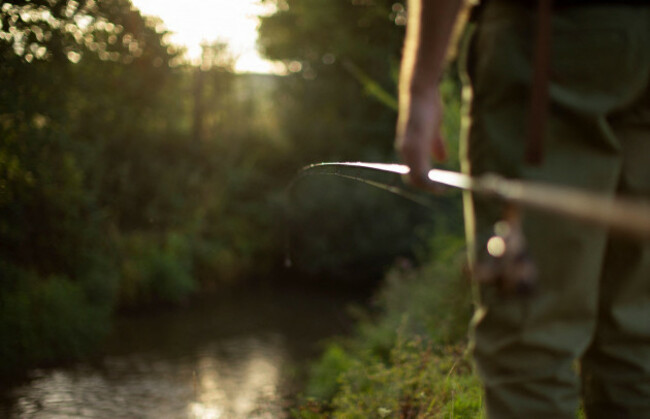
Location remains a critical factor in determining demand and value. Properties with coastal frontage, private lakes, river access or significant waterfront amenities consistently command strong interest. Such assets are inherently limited in supply and offer privacy, natural beauty and recreational opportunities that are difficult to match.
Fishing rights, in particular, remain highly attractive to both domestic and international purchasers. Ownership of salmon or trout fishing can materially enhance an estate’s appeal, while equestrian facilities, woodland, sporting rights and conservation potential can similarly contribute to value. For the right buyer, these can be important differentiators.
Looking ahead, the fundamentals supporting Ireland’s estates market remain strong. Supply of high-quality estates is naturally constrained, while international demand continues to broaden.
It would be premature to suggest Ireland is seeing a wave of Silicon Valley billionaires, but high-profile transactions such as the reported Zuckerberg purchase demonstrate the international reach of the market.
Josh Pim is an Associate Director at Savills Country Residential.
To embed this post, copy the code below on your site













have your say