Sign in. It’s quick, free and it’s up to you.
An account is an optional way to support the work we do. Find out more.
Sign in. It’s quick, free and it’s up to you.
An account is an optional way to support the work we do. Find out more.
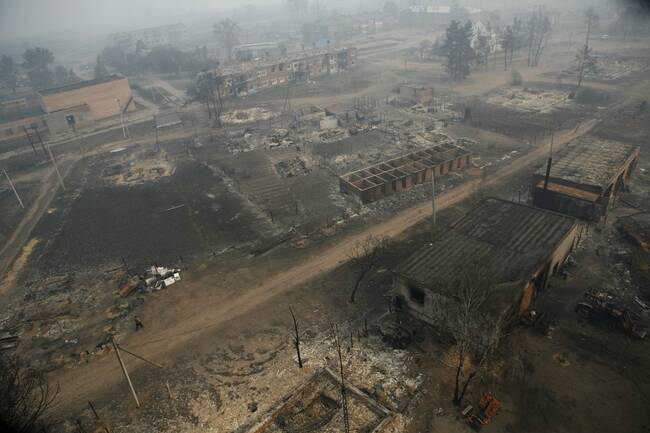
RUSSIA’S TEMPORARY BAN on grain exports took effect yesterday, angering grain traders and ports in Russia which had been enjoying bumper harvests over the last two years.
The country is the world’s third-largest exporter of wheat, and wheat prices soared after the ban was announced earlier this month. It will remain in place until the end of the year.
Crops destroyed
One quarter of Russia’s grain crops have been destroyed by the drought and ensuing wildfires, and the government is spending over $1 billion to help producers.
The ban aimed to prevent domestic prices surging, but sparked panic-buying and the price of basic foodstuffs has jumped.
Russia’s deputy prime minister Viktor Zubkov insists that the ban won’t affect the country’s long-term export market:
The ban is temporary so we have all grounds to retain, in the long term, the leading positions on the international grain market.
In this video, Medvedev explains the impact of the grain damage and the reasons behind the ban:
Smog is back
Meanwhile, the thick smog from peat fires outside Moscow has returned to the capital for the second time in a month, after a brief respite. City residents have been advised to wear face masks and to avoid spending time outdoors.
The heat and the increased carbon monoxide levels in the city have taken their toll, with one doctor reporting up to 17 people dying each day.
The smog has been blamed for doubling the death rate in the city, and experts fear the fires will cause radioactive particles to be blown from the Chernobyl fallout zone towards Moscow.


To embed this post, copy the code below on your site


 Source: AP Photo/Ivan Sekretarev" title="">
 Source: AP Photo/Ivan Sekretarev" title="">
 Source: AP Photo/Pavel Golovkin" title="">
 Source: AP Photo / Mikhail Metzel" title="">
 Source: AP Photo/Pavel Golovkin" title="">






have your say