Sign in. It’s quick, free and it’s up to you.
An account is an optional way to support the work we do. Find out more.
Sign in. It’s quick, free and it’s up to you.
An account is an optional way to support the work we do. Find out more.
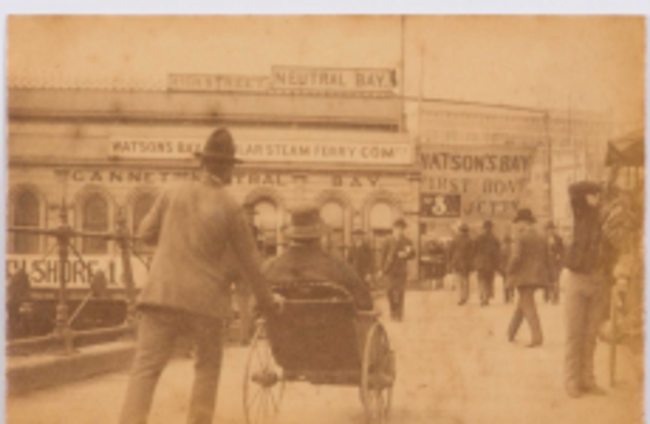
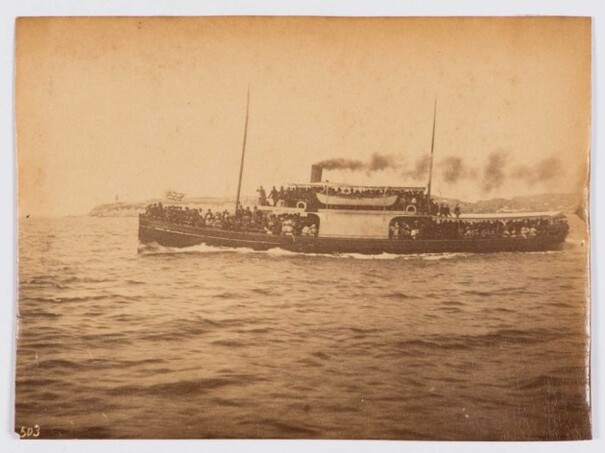
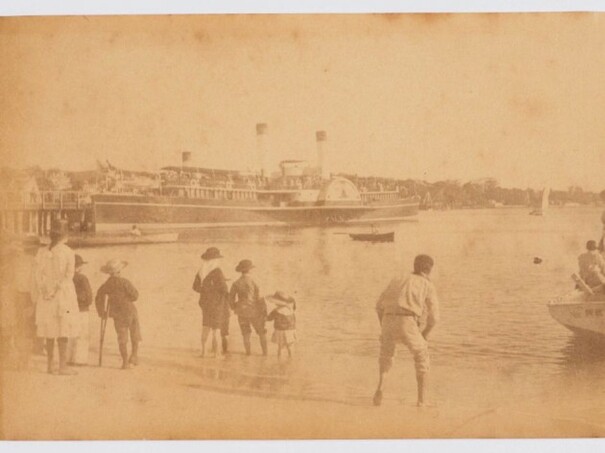
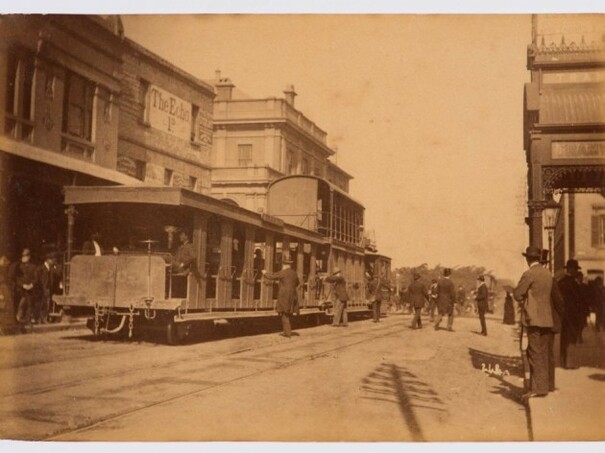
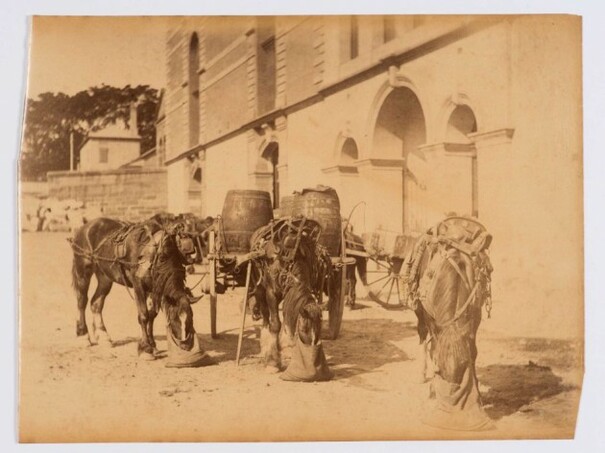
PHOTOGRAPHER ARTHUR SYER used the world’s first hand-held camera during the 1880s to snap Sydneysiders bustling through the city’s streets.
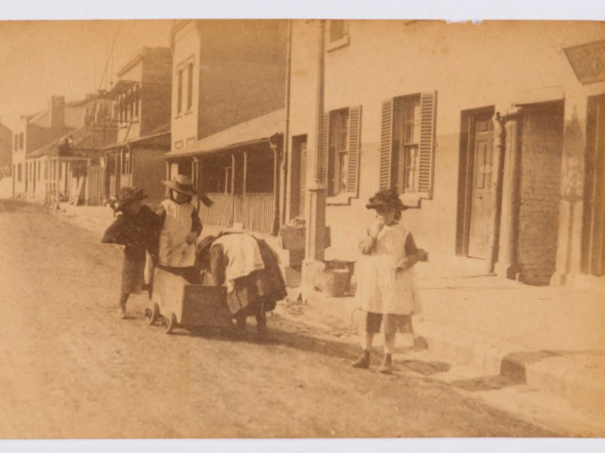
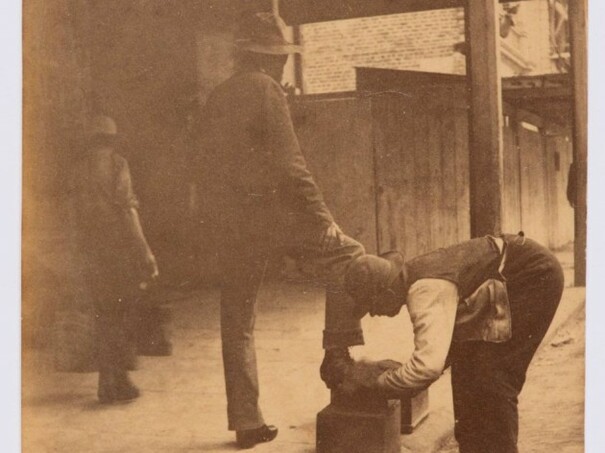
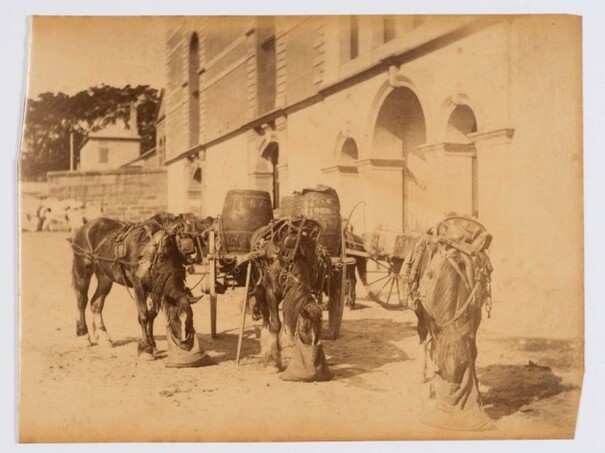
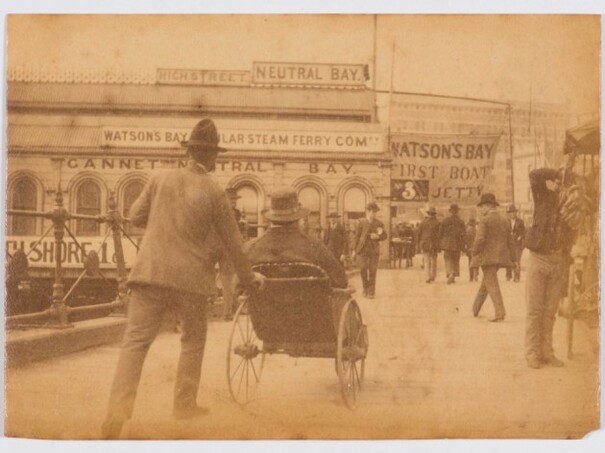
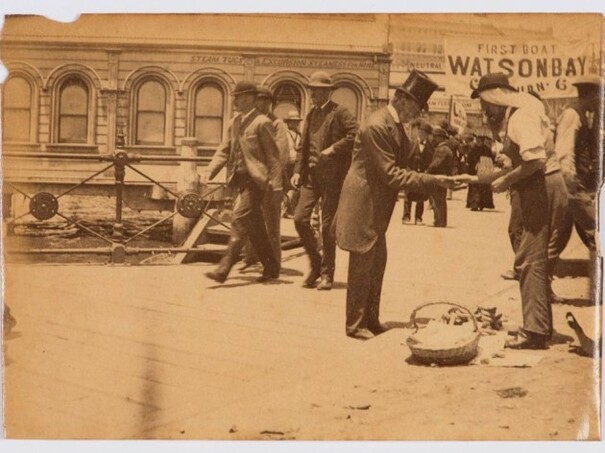
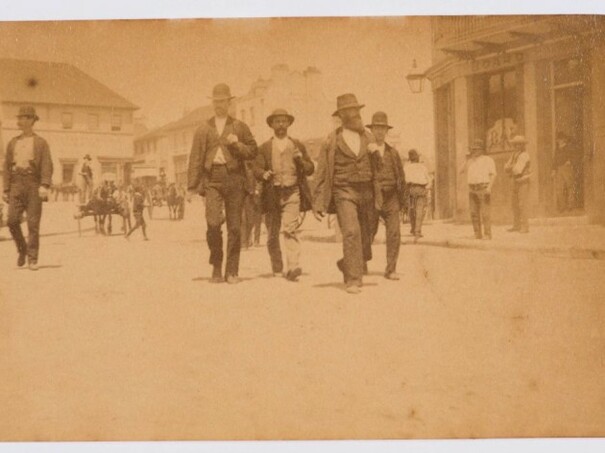
His candid shots of ordinary folk in everyday situations, taken on the so-called ‘Detective Camera’, were sold to illustrators to use as ‘source material’ to help them create a life-like quality and character in their drawings.
Syer’s 50 rare snapshots are going on display for the first time ever in an exhibition at the State Library in New South Wales.
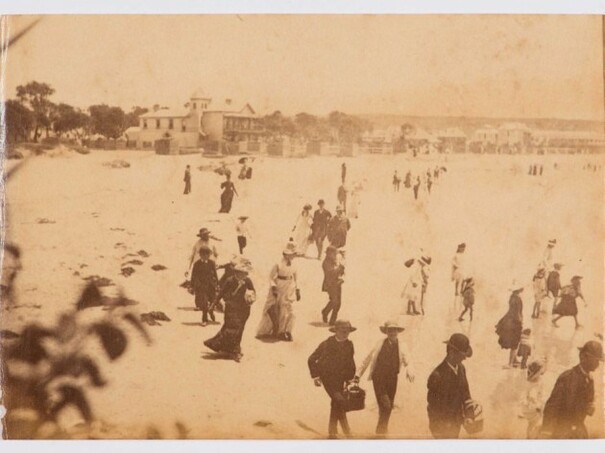
“Syer’s distinctive low angle photographs evocatively capture the buzz of 1880s Sydney,”says exhibition co‐curator Margot Riley.
His images feature shoe‐shiners and fruit sellers, road workers, transport deliveries and barrow shopping, queues at Circular Quay, children playing, shipping and scenes at the horses races.
When the hand‐held camera was introduced in Australia in the mid‐1880s “it became a
craze much like the smart phone or selfie stick of today, with photographs for the first
time being able to be taken quickly and unnoticed,” according to Riley.
The camera resembled “a square case… disguised as a … shoeblack’s box, or even a book.
The operator places it upon the ground, or under his arm, the pressure of the pneumatic
ball opening or closing the hidden lens at the required moment.”
They weren’t introduced without controversy though – and, seemingly, modern debates about privacy.
Just like CCTV and smartphones have done in recent years, new cameras including vest and watch cameras made people fearful about their own right to privacy.
“This new technology triggered debate around issues of privacy which led to the passing of new privacy laws in America,” Reilly explained. “Manners and rules around candid photography continue to be a hot topic today.”
Here is a sample, reproduced here with the permission of the State Library of New South Wales.

To embed this post, copy the code below on your site








have your say