Sign in. It’s quick, free and it’s up to you.
An account is an optional way to support the work we do. Find out more.
Sign in. It’s quick, free and it’s up to you.
An account is an optional way to support the work we do. Find out more.
IT’S A DAY of rest, and you may be in the mood for a quiet corner and a comfy chair.
We’ve hand-picked the week’s best reads for you to savour.

The Goldfinch, Donna Tartt’s latest tome, has been called the ‘It novel’ of the year. But it also has its detractors, writes Evgenia Peretz.
(Vanity Fair, approx 18 minutes reading time, 3621 words)
The questions are as old as fiction itself. The history of literature is filled with books now considered masterpieces that were thought hackwork in their time. Take Dickens, the greatest novelist of the Victorian period, whose mantle writers from John Irving to Tom Wolfe to Tartt have sought to inherit. Henry James called Dickens the greatest of superficial novelists

Dahr Jamail spent months reporting from Iraq’s frontline, which left him traumatised and stressed. Then he met a woman who changed how he thought.
(Truthout, approx 22 minutes reading time, 4435 words)
Consumed by post-traumatic stress disorder, I was unable to go any deeper emotionally than my rage and numbness. I stood precariously atop my self-righteous anger about what I was writing, for it was the cork in the bottle of my bottomless grief from what I’d witnessed. To release that meant risking engulfment in black despair that would surely erupt if I were to step aside, so I thought.
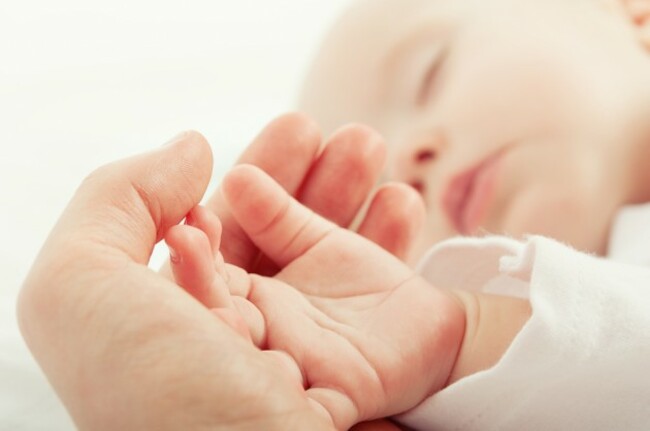
Giving birth to a baby is not necessarily a happy time – for some women, it is a frightening and unfamiliar time, due to the onset of maternal mental illness. Pam Belluck takes a sensitive look at this pertinent issue.
(New York Times, approx minutes reading time, words)
In the year after giving birth, studies suggest, at least one in eight and as many as one in five women develop symptoms of depression, anxiety, bipolar disorder, obsessive-compulsive disorder or a combination. In addition, predicting who might develop these illnesses is difficult, scientists say. While studies are revealing clues as to who is most vulnerable, there are often cases that appear to come out of nowhere.

Art critic Tom Lubbock was diagnosed with a brain tumour in 2008. In a tragic irony, it attacked the language centre of his brain. His wife, artist Marion Coutts, writes about life leading up to his death.
(The Guardian, approx 23 minutes reading time, 4742 words)
To make sense of what is happening, we need to say it aloud. Only then will we hear the news mouthed back by others and reshaped into words – ohs and ahs, expletives, and long out-breaths. Maybe, coming back to us in this way it will sound different; better, worse, I don’t know. Maybe more comprehensible.
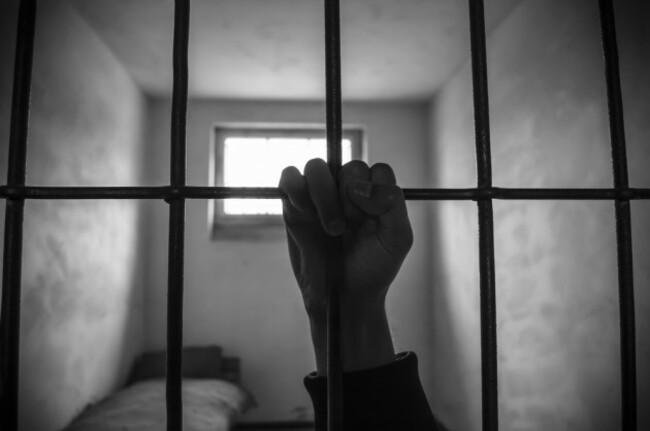
Nick Brooks breaks back into the prison where he once did time. The prison is closed, but in capturing it on film, he “freed” himself, he says.
(Narratively, approx 10 minutes reading time, 2004 words)
Born in the Bronx, my youth was darkened by drugs and violence. When I was seven I came home from school and found my mother passed out on the living room floor, syringe sticking out of her arm. They saved her body but they couldn’t save her life, and I went to live with my grandmother in Yonkers. Mother would stay with us whenever she wasn’t in a mental hospital or rehab. She had wild mood swings and a temper.
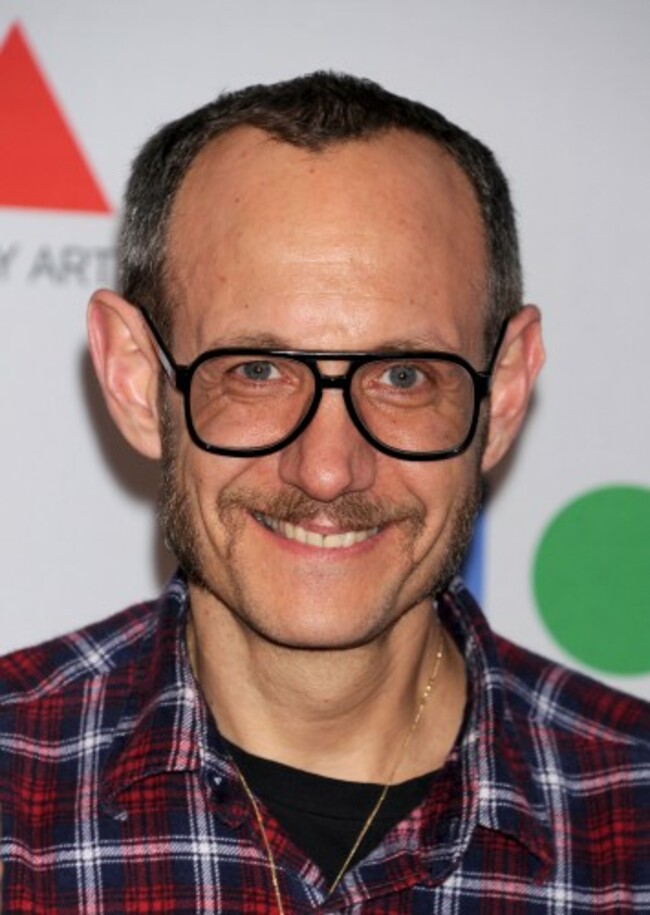
Terry Richardson is the ‘bad boy’ of photography – he’s as known for his flash-heavy white-background photos as he is for the allegations of sexual misbehaviour that have been alleged about him. This article by Benjamin Wallace – that is not without its detractors – takes a look at him.
(The Cut, approx 55 minutes reading time, 11044 words)
Richardson is also famous for another reason: He has cultivated a reputation of being a professional debauchee, a proud pervert who has, outside his commercial work, produced a series of extremely explicit images… that many find pornographic and misogynistic, and which can make viewers distinctly uncomfortable.
…AND ONE FROM THE ARCHIVES…
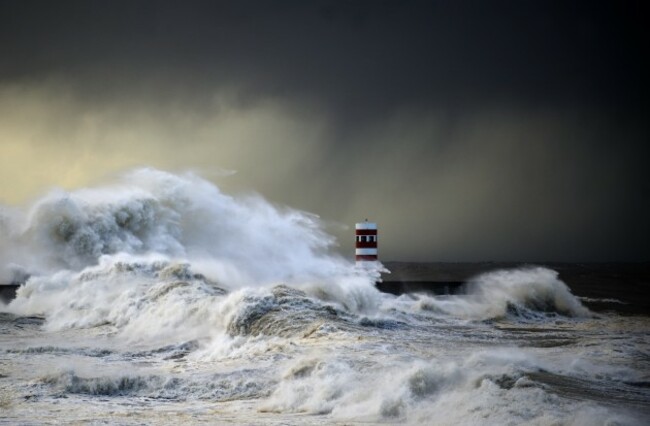
A father and his 12-year-old son, who has autism, get lost at sea. In 2009, Justin Heckert told their story. The father realises that if they stay together, they’ll drown together.
(Men’s Journal, approx 32 minutes reading time, 6416 words)
The current grabbed father and son almost immediately. They floated past the glistening rocks, and then it pulled them faster, the sand disappearing beneath their toes. Within a minute, Walt and Christopher were 50 feet out, the ocean in their faces and ears. “Do you need help?” one of the fishermen yelled at Walt as he watched him being pulled away.

To embed this post, copy the code below on your site














have your say