Sign in. It’s quick, free and it’s up to you.
An account is an optional way to support the work we do. Find out more.
Sign in. It’s quick, free and it’s up to you.
An account is an optional way to support the work we do. Find out more.
IT’S A DAY of rest, and you may be in the mood for a quiet corner and a comfy chair. We’ve hand-picked the week’s best reads for you to savour.

It’s the story everyone has been talking about this week – an inside look at Amazon’s working practices. Though the company refutes what’s in the article, it is a shocking read.
(New York Times, approx 35 mins reading time)
A woman who had thyroid cancer was given a low performance rating after she returned from treatment. She says her manager explained that while she was out, her peers were accomplishing a great deal. Another employee who miscarried twins left for a business trip the day after she had surgery. “I’m sorry, the work is still going to need to get done,” she said her boss told her.

The story of Barry McGee and Clare Rojas, who live with McGee’s daughter by his first wife, artist Margaret Kilgallen. Margaret is always present in their life, despite being gone.
(The New Yorker, approx 30 mins reading time)
Five feet ten and slender, Kilgallen was intrepid, stubborn, and mischievous, a winsome tomboy with curly reddish-brown hair that she often pulled back in a clip at her temple. She was stylish and insouciant; she shoplifted lingerie from Goodwill and wore an orange ribbon tied around her neck. When I asked McGee the color of her eyes, he wrote, “Margaret’s eyes were blue as can be.”

In Bamako, it’s no easy task to get a letter delivered to you. But one enterprising postman, Aboubacar Doumbia, uses a scooter to make sure his post gets delivered. He’s quite the character.
(BBC, approx 8 mins reading time)
”What’s that,” he asks pointing at the building in front of us. ”Well, it’s a mosque,” I answer. ”That’s right,” says Doumbia. ”It’s clearly not the residence of Mr Coulibaly, even though we are at the address in 103rd Street stated on the envelope. But I know from experience that Mr Coulibaly’s part of 103rd is in a completely different place and is accessed from 94th Street.”

The fascinating – and frightening tale of how Isis lured three British girls from London. (New York Times, approx 34 mins reading time)
They were smart, popular girls from a world in which teenage rebellion is expressed through a radical religiosity that questions everything around them. In this world, the counterculture is conservative. Islam is punk rock. The head scarf is liberating. Beards are sexy.

Gwyneth Paltrow’s email newsletter Goop has turned into a lifestyle brand, but it can be unmercifully skewered in the press. The insider details of how Goop has grown and grown are fascinating.
(Fast Company, approx 27 mins reading time)
Paltrow is often criticized for seeming, at best, removed from the cares of ordinary life, and right now she does look like she belongs to a different, superior species. The public has always felt this way about her—simultaneously drawn to, and repelled by, her seemingly unattainable perfection. In 2013, for example, she was named Peoplemagazine’s Most Beautiful Woman and also Star magazine’s Most Hated Celebrity. Spend a little time on the Internet—or mention Paltrow’s name at a dinner party—and you’ll quickly see that people tend to have a strong, visceral reaction to her.

The new host of the Late Show gives an in-depth interview and tells us what we can expect from his latest career move. But he also talks about love, loss, and what he has learned from life.
(GQ, approx 30 mins reading time)
Shedding the suit of the high-status dummy he played for nine years has liberated him to do the comedy he really wants to do, he said. Whatever comes next—however he shape-shifts between being recognizably himself and playing a veiled or not-so-thinly-veiled character—the motivation will be all his. “I just want to do things that scratch an itch for me. That itch is often something that feels wrong. It’s wrong because it breaks convention or is unexpected or at times uncomfortable. I like that feeling.”
…AND A CLASSIC FROM THE ARCHIVES…
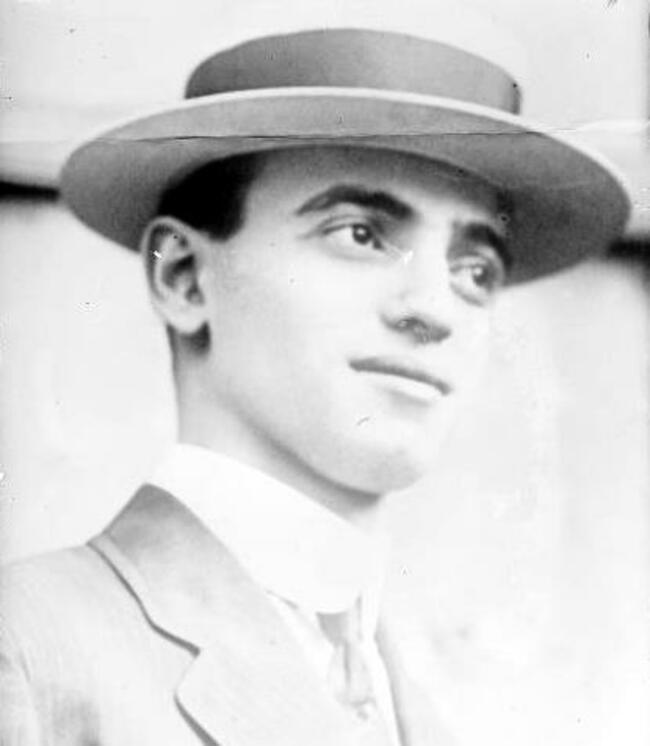
Leo Frank was the only Jew ever lynched in the US. In 1985, Steve Oney brought the story back into public discussion with an article for Esquire.
(The Daily Beast, approx 82 mins reading time)
In his quarters at the Georgia State Prison Farm just outside Milledgeville, Leo Max Frank lay in bed. A nervous, circumspect Brooklyn Jew whose bulging eyes and wiry build lent him an unfortunate resemblance to a praying mantis, Frank had been convicted in 1913 of killing Mary Phagan, a 13-year-old Marietta girl who worked for him at the National Pencil Company in Atlanta.

To embed this post, copy the code below on your site















have your say