Sign in. It’s quick, free and it’s up to you.
An account is an optional way to support the work we do. Find out more.
Sign in. It’s quick, free and it’s up to you.
An account is an optional way to support the work we do. Find out more.
IT’S A DAY of rest, and you may be in the mood for a quiet corner and a comfy chair.
We’ve hand-picked some of the week’s best reads for you to savour.
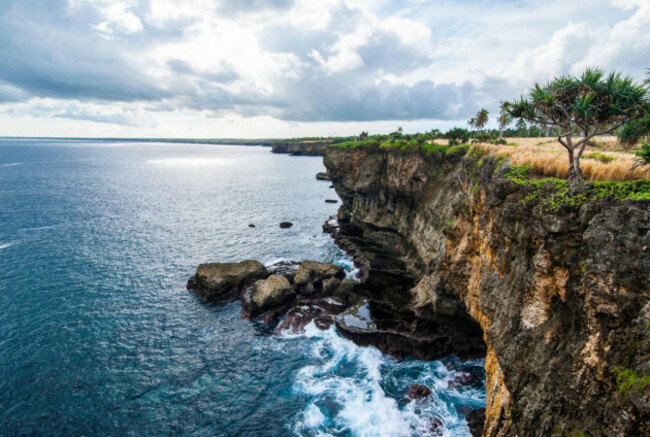
A volcanic eruption almost four years ago sundered the underwater cables that the Oceanic nation of Tonga relies on for connection to the world. As Samanth Subramanian shows, it exposed the fragility of 21st-century life.
(Guardian, approx 16 mins reading time)
The government budgeted its cost at about $16.5m. Vea shrugged. Where would Tonga find the money? It was already relying on donors and friendly governments to build its schools and fix its roads, and as a nation of small islands, it also hoped to secure funding under the Paris Agreement to beat back climate change. A new data cable could arrive only as largesse from others. One hundred and sixty-five years after the first telegraph link was laid, these cables still wind around the world just as the great powers and their corporations see fit – to the point that the cables become tokens themselves of the contests for might and wealth, shaping and distorting the internet as we know it.
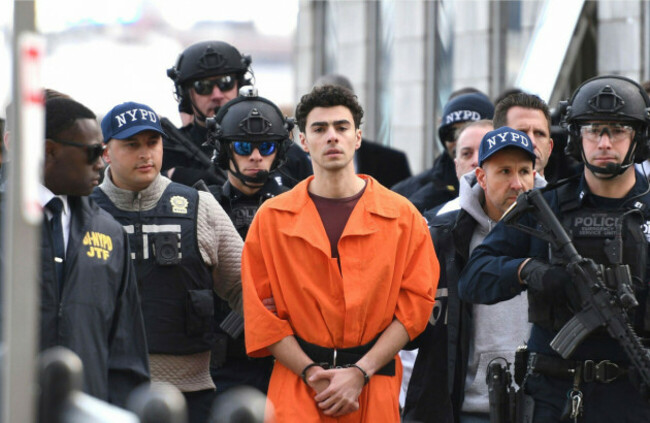
A piece on the odd rift opening up among those backing Luigi Mangione, who is being tried for the murder of UnitedHealthcare CEO Brian Thompson last year. Tensions are mounting between his supporters pushing reform of the USA’s notorious health insurance system and those who believe he is innocent.
(Wired, approx 8 mins reading time)
Since his arrest, Mangione’s case has garnered worldwide attention and spawned a conglomerate of passionate supporters with opposing agendas. Some of these factions see Mangione’s alleged crime as a stand against corporate greed, corrupt health care systems, and one-percenters. Others find that stance offensive, believing Mangione is entirely innocent and spending their days clapping back at any insinuation of his guilt on the internet. Yet, the most widely recognized supporters in the public eye are the “thirsters,” as they are fittingly nicknamed.
A man became increasingly obsessed With an AI chatbot, eventually leading him to vanish in the Ozarks.
(Rolling Stone, approx 10 mins reading time)
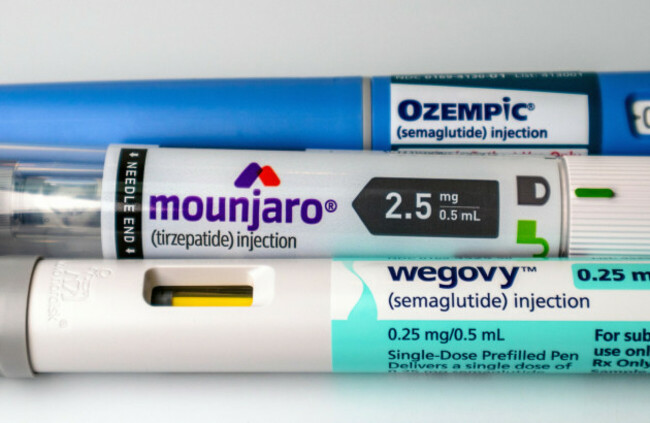
Despite their booming popularity, there are rising fears that wight loss injections may lead to another example of a gap between the haves and nots.
(BBC, approx 5 mins reading time)
Serena Williams, Elon Musk and Whoopi Goldberg have all spoken about using weight-loss injections. Some are now prescribed by the NHS, including Wegovy and Mounjaro, generating scores of headlines.
Really, this should have made it a great leveller. In theory, anyone struggling with obesity can – without the expense of a private doctor – get help to manage their weight.
Only that’s not the full picture.
In 1989, Tim Berners Lee revolutionized the online world but he’s been sparked by misinformation and algorithms into trying to do it all again.
(Harper’s Bazaar, approx 40 mins reading time)
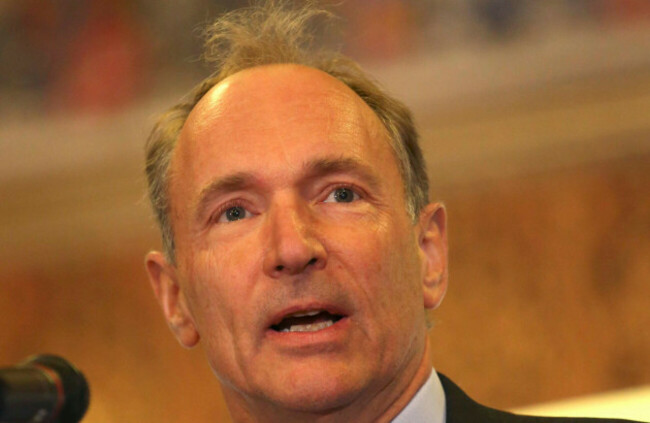
m Berners-Lee may have the smallest fame-to-impact ratio of anyone living. Strangers hardly ever recognize his face; on “Jeopardy!,” his name usually goes for at least sixteen hundred dollars. Berners-Lee invented the World Wide Web, in 1989, but people informed of this often respond with a joke: Wasn’t that Al Gore? Still, his creation keeps growing, absorbing our reality in the process. If you’re reading this online, Berners-Lee wrote the hypertext markup language (HTML) that your browser is interpreting. He’s the necessary condition behind everything from Amazon to Wikipedia, and if A.I. brings about what Sam Altman recently called “the gentle singularity”—or else buries us in slop—that, too, will be an outgrowth of his global collective consciousness.
How Donald Trump is attempting to turn the US government shutdown into a power grab.
(The Atlantic, approx 6 mins reading time)
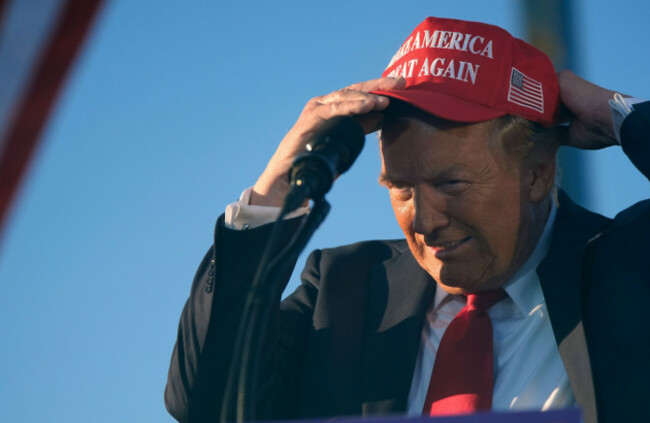
Thirty-four days into the previous government shutdown, in 2019, reporters asked President Donald Trump if he had a message for the thousands of federal employees who were about to miss another paycheck. “I love them. I respect them. I really appreciate the great job they’re doing,” he said at the time. The following day, caving after weeks of punishing cable-news coverage, he signed legislation to reopen the government, lauding furloughed employees as “incredible patriots,” pledging to quickly restore their back pay, and calling the moment “an opportunity for all parties to work together for the benefit of our whole beautiful, wonderful nation.”
Doesn’t really sound like the same guy, does it? This time, it took Trump fewer than 24 hours to turn a shutdown into a weapon wielded against the civil servants he once praised and the opposing party he has long derided.
A longread interview from 2017 with Jane Goodall, who died this week, about her work with chimpanzees and the release of a new documentary.
(The Guardian, approx 21 mins reading time)
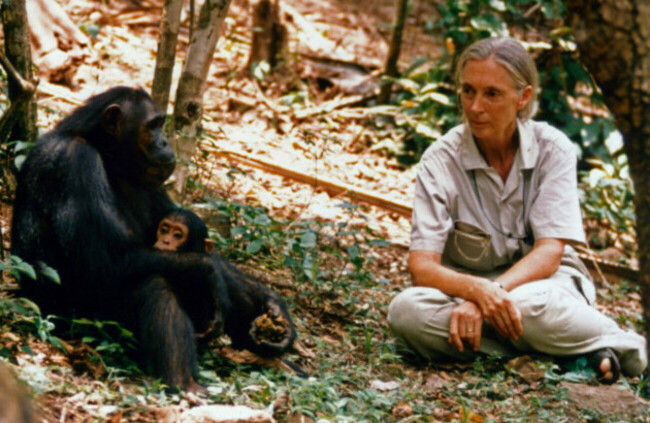
At a time when hurricanes are leveling entire islands and wildfires are ripping through California, it seems important to be reminded of our connection to nature. One person who has never let up in her advocacy for animals and their habitats is Dame Jane Goodall, the world’s foremost expert on chimpanzees, who in 1960, at age 26, went to the Gombe Stream National Park in Tanzania — as a researcher for Kenyan scientist Louis Leakey — to live among primates and study their behavior. She was venturing where no man, or woman, had gone before, and her work not only proved a link between humans and chimps that went far beyond genetics (into social and emotional similarities), but also forever altered our perception of animals as feeling beings with personalities.

To embed this post, copy the code below on your site















have your say