Sign in. It’s quick, free and it’s up to you.
An account is an optional way to support the work we do. Find out more.
Sign in. It’s quick, free and it’s up to you.
An account is an optional way to support the work we do. Find out more.
IT’S A DAY of rest, and you may be in the mood for a quiet corner and a comfy chair.
We’ve hand-picked the week’s best reads for you to savour.
Sinéad Burke is an Irish woman who’s making waves in the fashion industry by drawing attention to the need to cater for people who aren’t tall and slim. A little person, she’s an advocate for women, people of all shapes, sizes and abilities, and a trailblazer in the fashion world.
(Business of Fashion, approx 17 mins reading time)
She was obsessed, you might say, with every aspect of fashion, to the point where a recent profile in The Daily Telegraph suggested she’d make an ideal editor, or maybe even chief executive. So, it’s inevitable that Burke’s advocacy for the disabled is focused on the fashion industry. “No one is looking at this market in isolation,” she says. “And it’s not like it’s a new customer. But their voices haven’t been amplified. They’ve not been invited to the table to help make and share decisions.”
These images of New York City’s parks in the late 1970s are just wonderful.
(New York Times, approx mins 15 reading time)
The city was a financial ruin and stuff was busted and it seemed it would be that way forever.
No one is sure, any more, how long the photographers worked or how much they were paid. Probably not long and not much.

This fascinating – but tragic – article looks at how a police officer pieced together the story of what really happened when a motorcyclist died on Christmas Day.
(BBC, approx 19 mins reading time)
The call came through to the police control centre 40-or-so minutes later at about 18:00 from a member of the public.”Just before junction 24 eastbound on the M4,” he said. “There’s a motorbike right against the central reservation… It’s actually on the floor. But there’s no sign of the driver.”
CNN covers the Kerry babies story by travelling to the area where it occurred, and speaking to locals.
(CNN, approx 15 mins reading time)
Under an umbrella of iridescent clouds, Catherine Cournane makes her way toward the back plots. She meanders past the grave of her mother, two brothers and a cousin. She visits them often here in Cahersiveen’s Holy Cross Graveyard. But on this day, she is here for someone else. Baby John. It has been two days since Catherine last tended his grave and at the headstone, she sees fresh chrysanthemums.
The story of Patrick Skinner, a former CIA officer who calls himself “the Forrest Gump of counterterrorism and law enforcement”. Though he spent years in the agency, he came to believe that counterterrorism ws creating more problems than it solved.
(New Yorker, approx 48 mins reading time)
Meanwhile, American police forces were adopting some of the militarized tactics that Skinner had seen give rise to insurgencies abroad. “We have to stop treating people like we’re in Fallujah,” he told me. “It doesn’t work. Just look what happened in Fallujah.” In time, he came to believe that the most meaningful application of his training and expertise—the only way to exemplify his beliefs about American security, at home and abroad—was to become a community police officer in Savannah, where he grew up.
6. ‘No journalist should have to know how to survive in prison’
Journalist Alice Driver lives in Mexico – where it can be very dangerous to be a journalist. Here, she reflects on what it means to her and other reporters, while on a trip to Myanmar.
(Longreads, approx 11 mins reading time)
During the democratic transition what was lacking in Myanmar, Swe suggested, was a plan for media literacy education for citizens. “Because media literacy, educational levels and English literacy are quite low, people can’t differentiate between somebody’s opinion and ethical journalism. This is how they feel: ‘Why should I pay 200 kyat for the news I already read about on Facebook for free?’ They don’t know about fact-checking. Basically, Facebook is killing us,” Swe said.
…AND A CLASSIC FROM THE ARCHIVES…
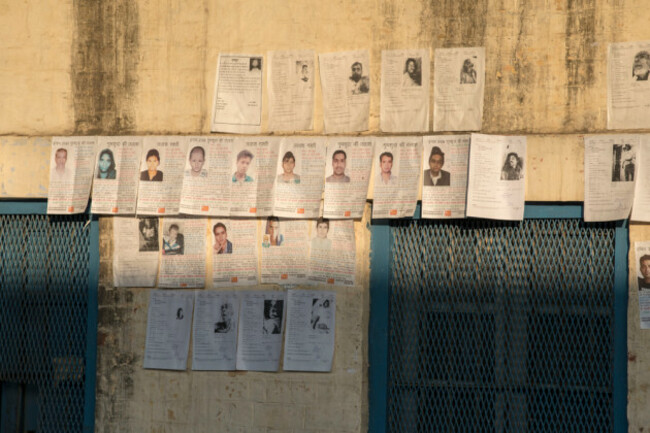
In 2002, Martin Bright wrote about the ‘rules’ of being missing – why some people get media coverage and others don’t, and how this impacts on them.
(The Guardian, approx 20 mins reading time)
There are certain rules in the missing persons game. Don’t be a boy, don’t be working class, don’t be black. As for persistent runaways, children in care or teenagers with drug problems_ forget it. Milly Dowler was the perfect missing person: a beaming photogenic angel from a comfortable, middle-class home.

To embed this post, copy the code below on your site














have your say