Sign in. It’s quick, free and it’s up to you.
An account is an optional way to support the work we do. Find out more.
Sign in. It’s quick, free and it’s up to you.
An account is an optional way to support the work we do. Find out more.
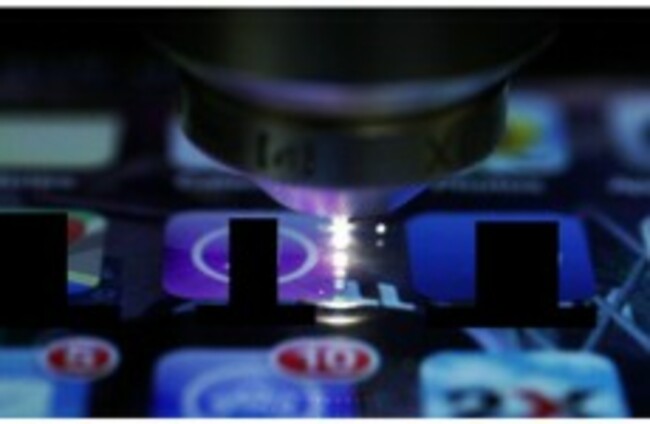
RESEARCHERS HAVE CREATED a new technique which allows them to place transparent sensors within a smartphone screen, allowing it to sense changes in light.
The team from Polytechnique Montreal in Canada and Corning created a way to etch optical waveguides, which directs lightwaves through glass channels, into a smartphone display instead of adding wiring or dedicated sensors.
The team placed the sensors under the surface of Gorilla Glass, which is used by the majority of smartphones and is scratch-resistant, allowing it to track changes in light without using electricity.
According to the researchers, this would provide a smartphone with new functions like providing a way for users to assess their blood sugar levels if they’re diabetic, create a temperature sensor, or provide an authentication security system.
For the latter, smartphone identification could be based on a unique waveguide etched into the device. Shining an infrared light through it would show that the phone isn’t cloned or stolen.
Also, there’s also the option to stack multiple waveguides without obscuring what’s on screen, which would allow multiple functions to be performed while hidden from sight.
While there are no plans to bring this into future products yet, the researchers say the technology could be production-ready within a year, and are looking for companies that could put the sensors into practice.

To embed this post, copy the code below on your site















have your say