Sign in. It’s quick, free and it’s up to you.
An account is an optional way to support the work we do. Find out more.
Sign in. It’s quick, free and it’s up to you.
An account is an optional way to support the work we do. Find out more.
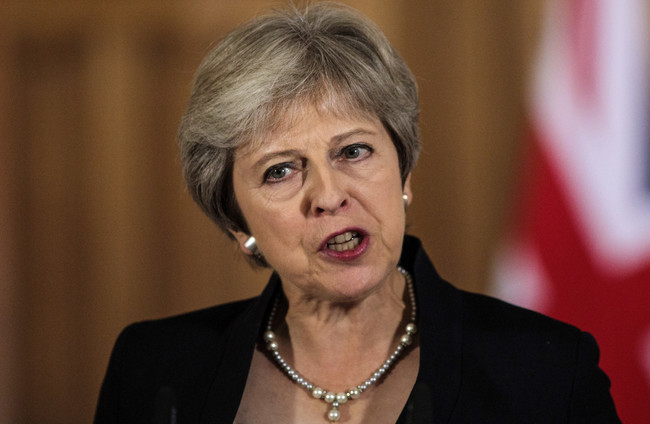
UK PRIME MINISTER Theresa May is set to face her Cabinet colleagues for the first time today, after last week’s rejection of her Chequers plan from EU leaders.
The embattled Conservative leader is facing pressure on all sides as it approaches crunch time in Brexit talks, with the possibility for further resignations from her Cabinet following the summer departures of Boris Johnson and David Davis.
Brexiteers in her Cabinet are expected to urge her to ditch her Brexit blueprint in favour of a simpler deal similar to the EU’s deal with Canada.
Such a trade deal raises concerns that a hard border and customs posts would return in Northern Ireland and, while the UK government has always said there won’t be a hard border after Brexit, May said on Friday Britain will do “everything in our power” to prevent a hard border.
A defiant May said she would be sticking to her Chequers plan in that press conference, adding: “I will not overturn the result of the referendum, or break up my country.”
She said that although both sides want a deal, they were currently at an “impasse” and that there were “two main issues where we remain a long way apart”: the economic relationship after Brexit, and the EU’s proposal for the Brexit backstop in Northern Ireland.
EU Council President Donald Tusk has said that the Chequers plan cherry-picked elements of EU membership and isn’t acceptable.
Tusk and French President Emmanuel Macron said it would fragment the bloc’s single market and “not work”, and demanded she come back with an alternative by an EU summit in mid-October.
The bloc also raised the stakes by putting on ice a special summit planned for November to seal a deal, saying it would only happen if there is progress next month.
On Friday, May said the EU’s plan for Britain to stay in the European Economic Area, effectively the single market without any say in the rules, would “make a mockery” of the 2016 vote for Brexit.
Meanwhile the alternative offer of a free trade agreement was contingent on a “backstop” keeping British-ruled Northern Ireland aligned with EU rules, which she warned risked the integrity of the UK.
This was “something no British prime minister would ever agree to” she said, adding: “If the EU believe I will, they are making a fundamental mistake.”
She repeated that she would bring forward alternative proposals to the backstop, which would come into effect until a new trade deal is struck.
EU chief negotiator Michel Barnier has said that 80% of Brexit issues have been agreed; Tánaiste Simon Coveney qualified this progress by saying that a lot of the remaining issues – including the Irish border issue – relate to Ireland.
May will face her wider party next week again at the Conservative party conference.
With reporting from Grainne Ní Aodha, AFP

To embed this post, copy the code below on your site






have your say