Sign in. It’s quick, free and it’s up to you.
An account is an optional way to support the work we do. Find out more.
Sign in. It’s quick, free and it’s up to you.
An account is an optional way to support the work we do. Find out more.
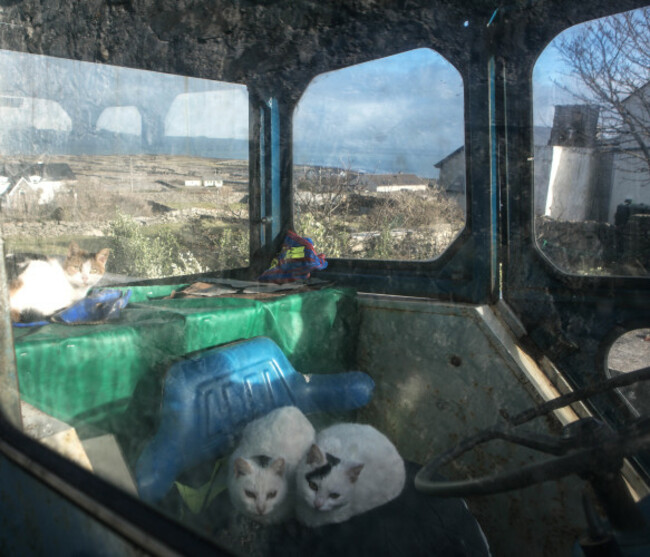
THE ARAN ISLANDS are something of an enigma to many of us mainlanders.
We know where they are, many of us have been there, but life on the islands off the coast of Galway Bay is something a little foreign to us.
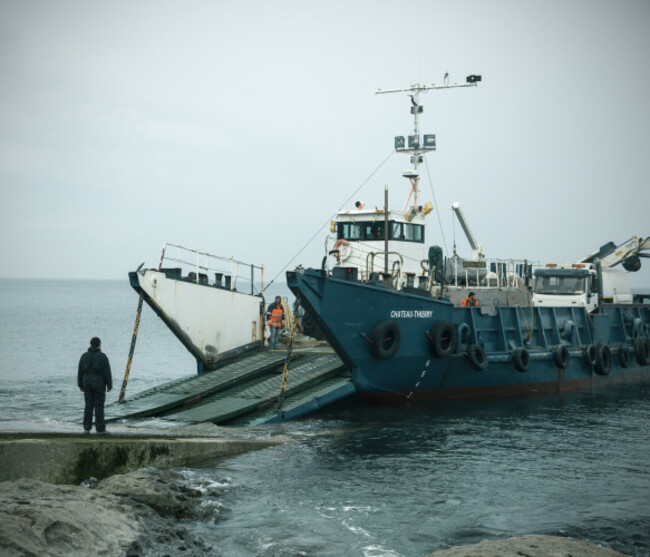
Last year the islands were in the headlines here for a number of reasons – firstly they were denied an extra teacher for the school on Inishmaan, and then an attempt was made to do away with the regular flights to the islands in lieu of a helicopter service (which eventually bit the dust after a public outcry).
The two stories serve as an interesting complement to the work of Dublin-based photojournalist Tiberio Ventura.
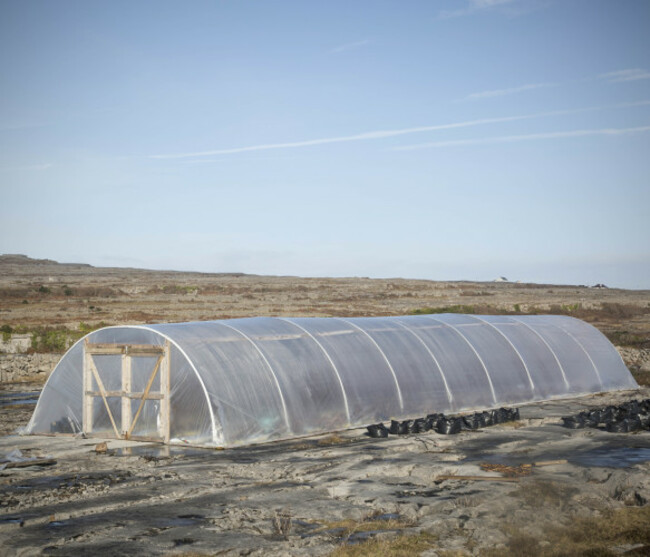
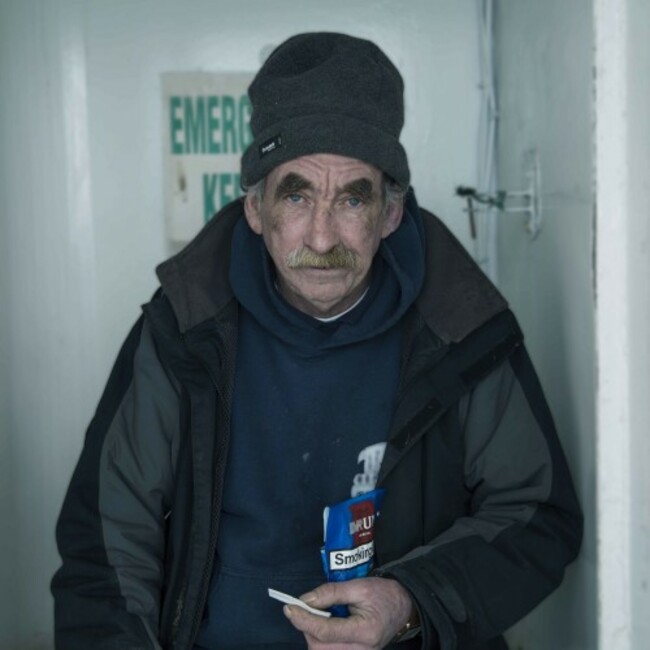
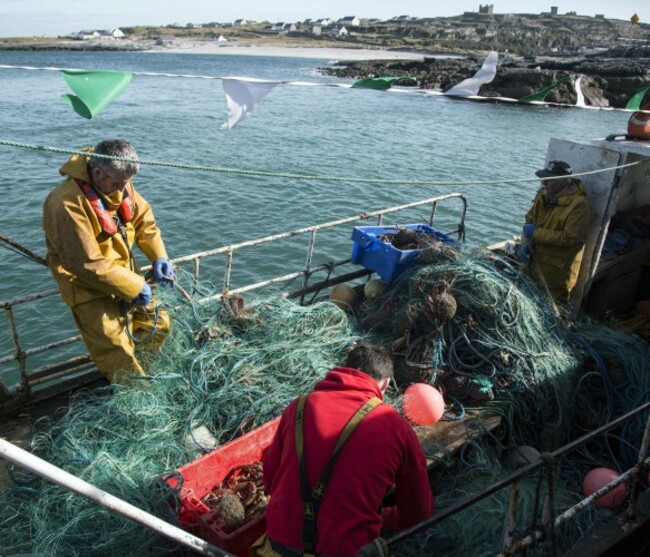
The 24-year-old Italian, from Bologna, first came to Ireland in 2011 to study photography and visual media. His relationship with the islands stems from making them the focal point of his college thesis. “Everyone living there is so nice and welcoming, I kept returning out of my own interest,” he says.
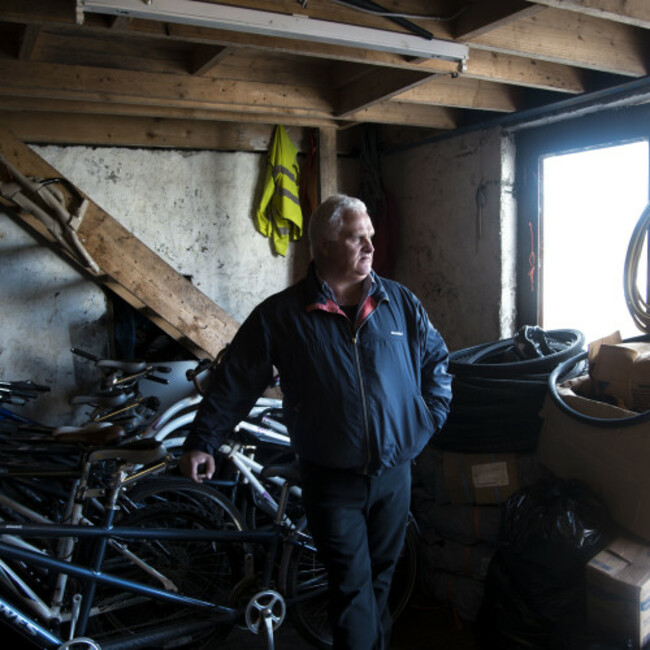
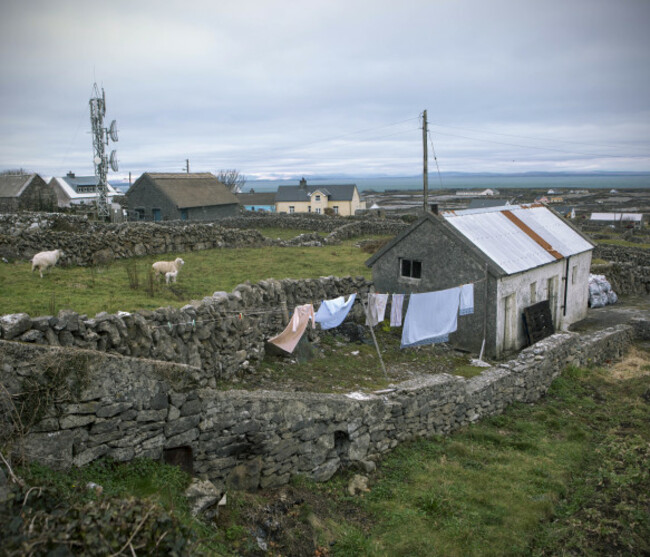
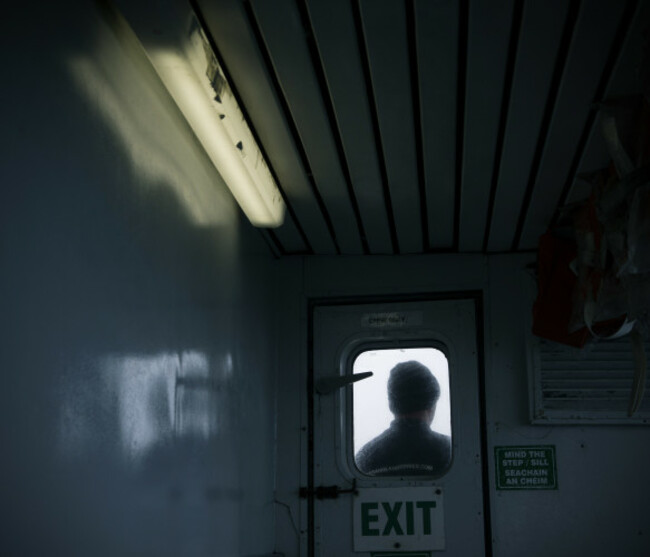
The photos you are seeing are from Ventura’s photo project The Silent Land, so-called he says because “the lifestyle there relates to a constant mode of tranquility and no stress”.
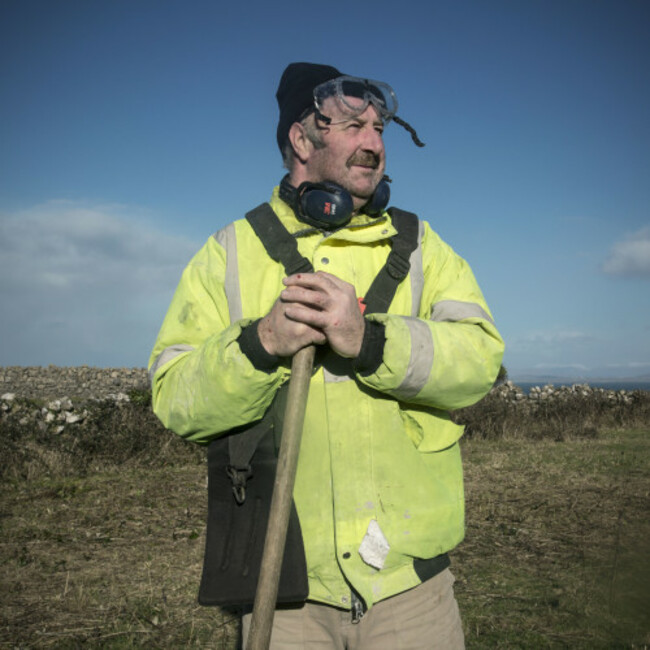
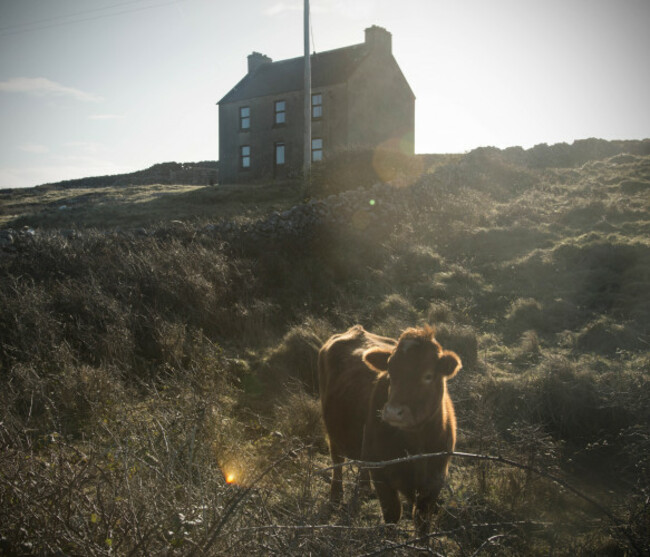
The Silent Land is a series of portraits and landscapes of the Islands and their inhabitants going about their daily business.
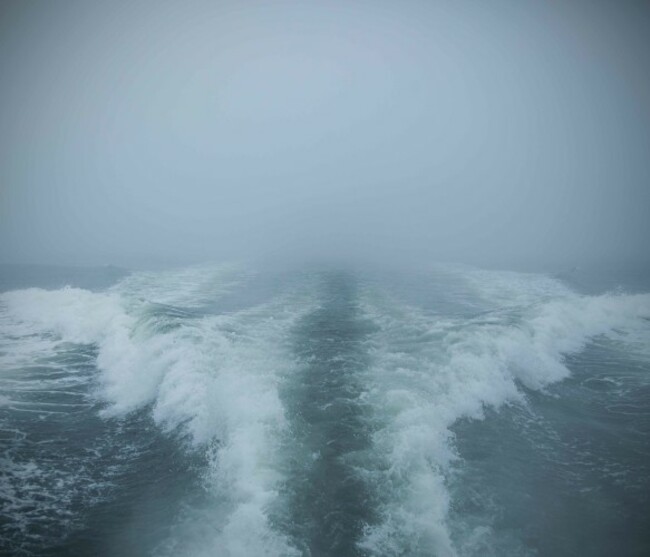
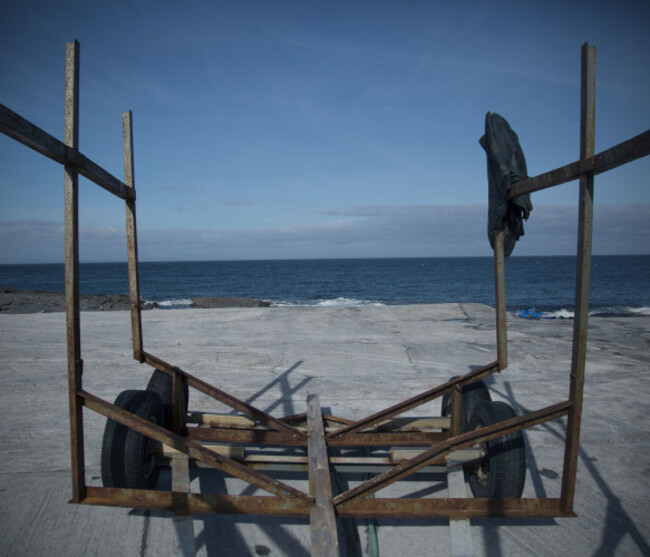
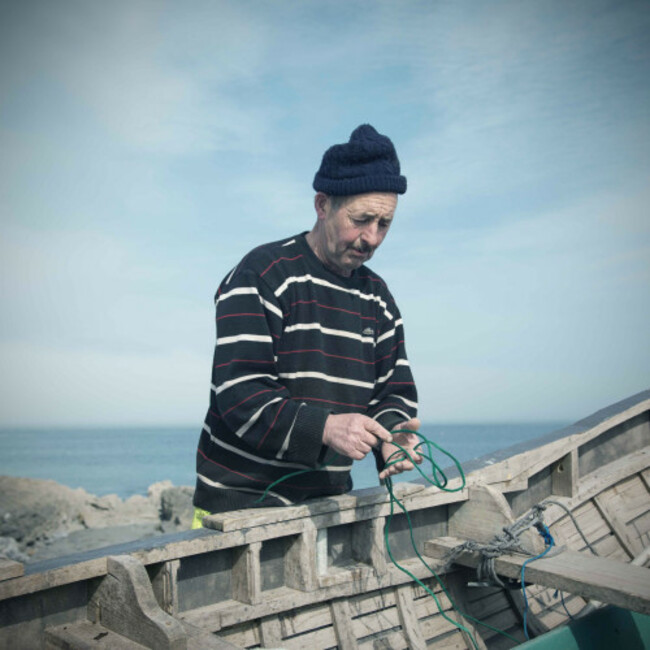
“There’s something really interesting about the islands’ geographic position, their isolation,” Ventura says. “Much of the limestone landscape is deteriorating. A lot of the population is migrating abroad. But those who stay live a life with so much freedom.”
It’s really surprising and exciting to witness at the same time.
The current population of the three islands (Inishmore, Inishmaan, and Inisheer) is roughly 1,300.
“Initially all the photos were to be taken at night, but then I found that the atmosphere is the same during the day,” Ventura says.
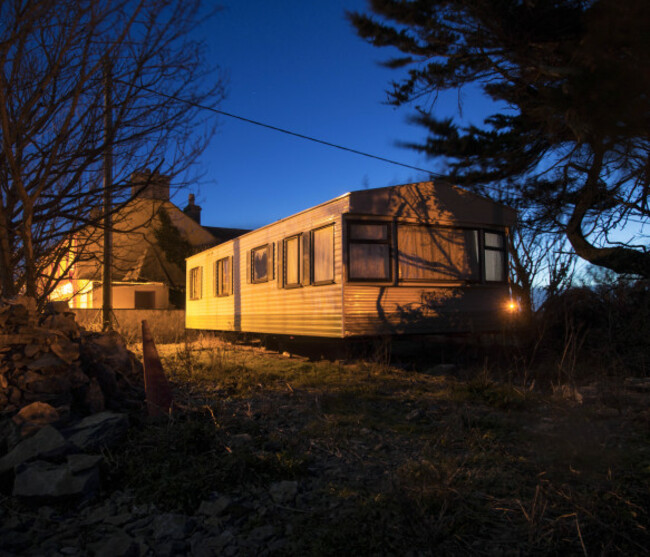
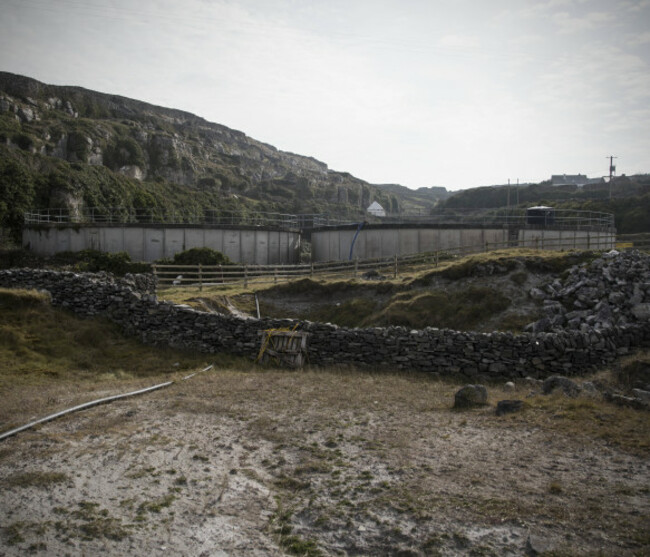
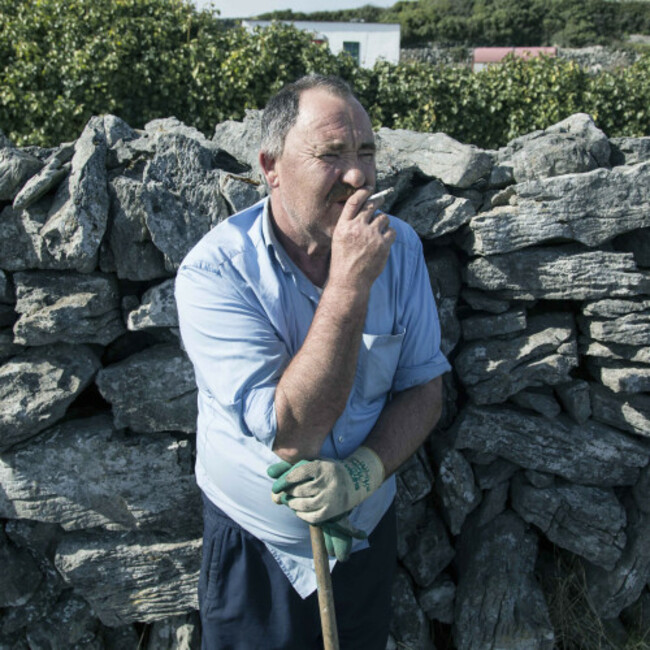
It’s a completely different way of living, more dependent on nature.
The majority of the people there are surviving from agriculture and from the animals they keep there, together with seasonal tourism.
“Yet everyone stops to chat, and everyone is happy to be photographed,” he adds.
You can see more of Tiberio Ventura’s work here

To embed this post, copy the code below on your site








have your say