Sign in. It’s quick, free and it’s up to you.
An account is an optional way to support the work we do. Find out more.
Sign in. It’s quick, free and it’s up to you.
An account is an optional way to support the work we do. Find out more.
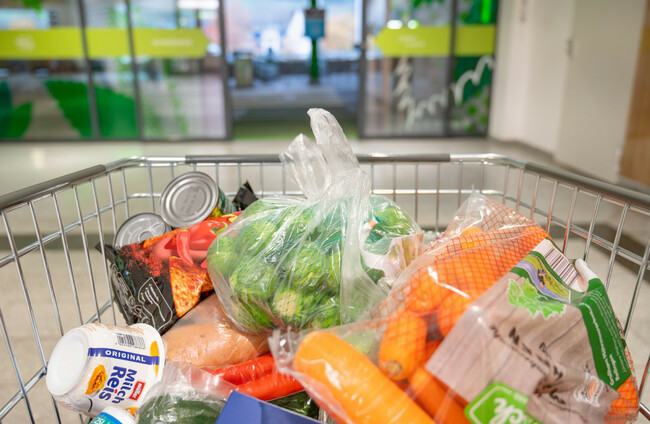
US PRESIDENT DONALD Trump has moved to cut tariffs on a wide range of imported foods in a significant reversal from the aggressive trade stance that has defined his presidency.
The executive order, signed Friday and applied retroactively from midnight Thursday, exempts more than 100 products from Trump’s so-called “reciprocal tariffs”, a sweeping regime introduced earlier this year that slapped a baseline 10% levy on all imports, with additional charges depending on the trading partner.
The shift comes as the White House faces mounting anger over grocery prices and affordability — a theme that dominated recent elections in Virginia, New Jersey and New York City, where Democrats swept key contests.
Economists, retailers and consumer groups have warned for months that Trump’s tariff policy was pushing up food prices and squeezing households.
On Friday, the administration tacitly acknowledged as much.
“Certain qualifying agricultural products will no longer be subject to these tariffs,” the White House said, citing goods the US “cannot grow or produce in sufficient quantities”.
The exemptions cover staples such as avocados, pineapples, beef, tomoatoes, cocoa, spices, nuts, and coffee, the latter of which saw prices spike by around 20% in late summer.
Trump — who has repeatedly denied that his tariffs contributed to inflation — insisted the move does not represent a policy retreat.
“We just did a little bit of a rollback on some foods,” he said. “Now they’ll be on the low side in a very short period of time.”
But yesterday’s decision marks a clear departure from previous rhetoric.
As recently as this month, Trump claimed the US had “no inflation”, and dismissed affordability concerns as a Democratic “con job”.
The tariff exemptions also coincide with new US trade deals announced this week with Argentina, Guatemala, Ecuador and El Salvador, under which the US will cut duties on foods it cannot produce domestically.
A separate pact will see tariffs on Swiss imports fall from 39% to 15%.
The move is being closely watched here in Ireland, where exporters have been adjusting to the US’ 15% reciprocal tariff rate on EU goods under the new EU-US trade framework introduced in August.
Some sectors, including pharmaceuticals, remain exempt or on reduced rates, but agrifood exporters have felt the impact.
Irish beef exports to the US have already declined this year.
In the first eight months of 2025, Ireland shipped €22 million worth of beef products to the US, down from €27 million in the same period last year, according to CSO data.
In August alone, the total value of beef exports to the US was less than half the value of exports during the same period in 2024 – just under $1.5 million this year, and over €3.3 million last year.
While Friday’s tariff rollback focuses largely on products the US cannot produce domestically, the broader shift in tone may signal further easing to come, something Irish food exporters will be watching closely.
Further changes could have a massive impact, such as if the US rolled back tariffs on dairy products - milk, cheese and butter exports from Ireland to the United States were valued at €830 million last year.
Additional reporting from AFP

To embed this post, copy the code below on your site















have your say