Sign in. It’s quick, free and it’s up to you.
An account is an optional way to support the work we do. Find out more.
Sign in. It’s quick, free and it’s up to you.
An account is an optional way to support the work we do. Find out more.
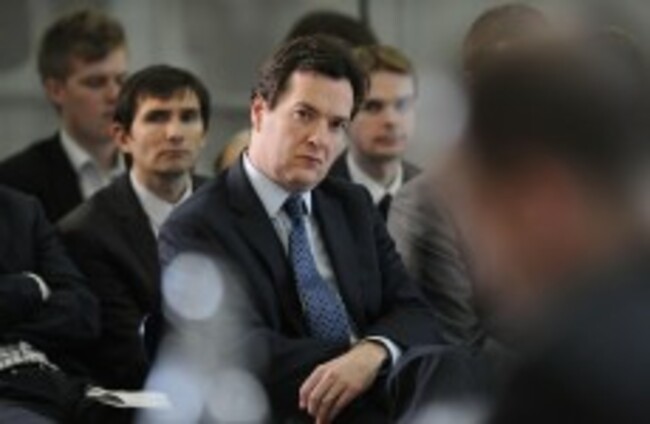
BRITAIN’S CHANCELLOR of the Exchequer, George Osborne, has announced that he will follow the lead of yesterday’s Eurozone summit by cutting the interest rate being charged on Ireland’s bailout loans.
In a statement this evening, Osborne said he welcomed yesterday’s decision to cut the interest rate on Ireland’s EFSF loans by around 2 per cent – which in turn allows the UK to reduce its own interest rate for its bilateral segment.
“I’ve been arguing for some time that the interest rates charged for Eurozone loans were too high,” Reuters quoted his statement as saying.
“I’m pleased, therefore, that they have now reduced those rates. That enables Britain to cut its rate on its loan to Ireland, whilst ensuring all of the benefit goes to Ireland and not to higher interest rates paid to euro area governments.”
The new interest rate charged on Britain’s loans will be slightly lower than the new lower rate being charged on loans from the EFSF, which is contributing €17.5bn to Ireland’s bailout.
The move was welcomed by Ireland’s finance minister Michael Noonan, who said the support “reflects the important economic relationship between Ireland and the UK.
“The willingness of the UK to assist Ireland reflects how both countries gain through sustainable economic growth that creates long term jobs,” Noonan said, thanking Osborne for his support in securing a lower interest rate at European level.
“At a personal level, I would also like to thank the Chancellor for the significant support that he offered me on this topic during meetings in Brussels.”
The reduction in the deal will almost totally wipe out the profit that Britain makes on the loans. London previously charged a margin of 2.29 per cent above its own borrowing costs.
Ireland has yet to draw down any of the funds provided by Britain under the bilateral arrangement, meaning that the reduced interest rate will apply to the entirety of the approximately €7bn in loans being offered.
Discussions with Denmark and Sweden on the interest rates and conditions for their bilateral loans are still ongoing. The three countries are contributing to the EFSM portion of Ireland’s bailout.

To embed this post, copy the code below on your site










have your say